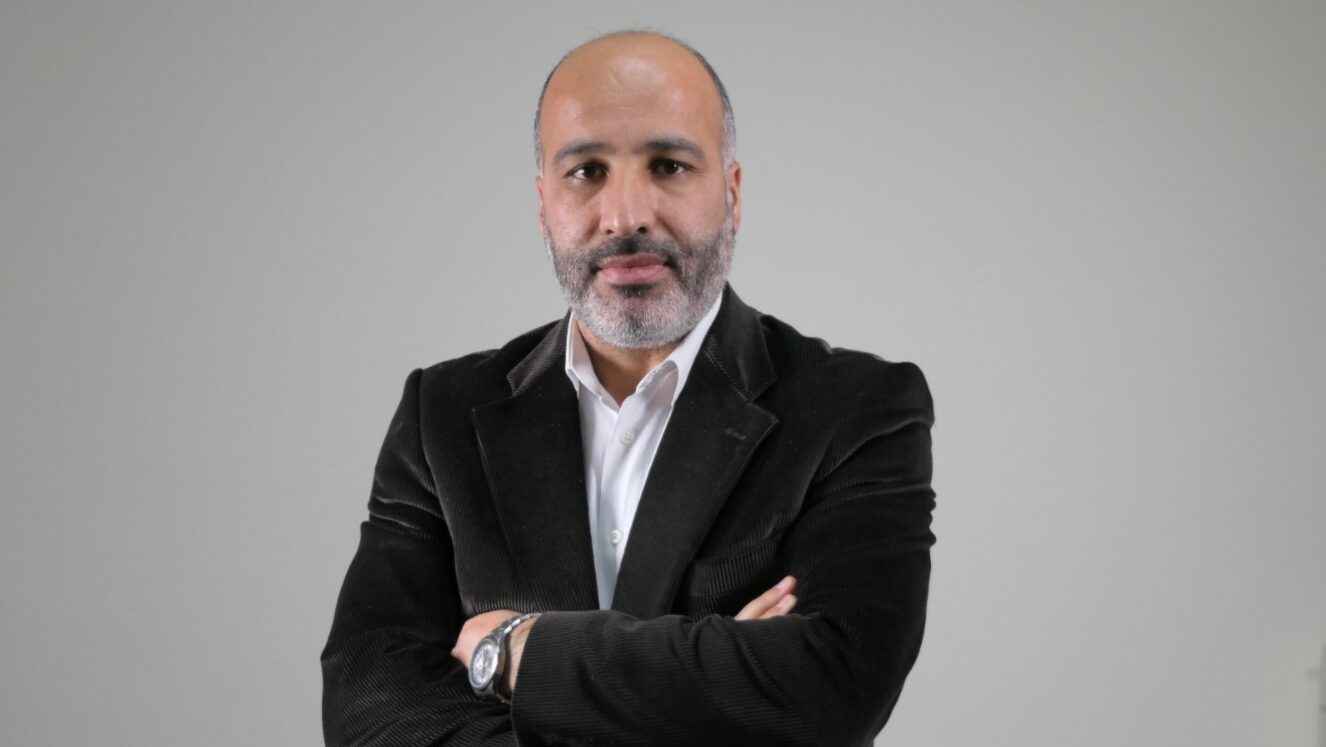
Turkish police detained Ahmet Sapa, a columnist and the Hatay representative of the Islamist Köklü Değişim media outlet, at his home in southern Turkey on Tuesday over social media posts criticizing headscarf restrictions in Azerbaijani schools, the outlet’s general coordinator, Mahmut Kar, said.
Sapa’s detention followed that of Muhammed Emin Yıldırım, the outlet’s İstanbul representative, on Monday night. Yıldırım was released Tuesday morning after questioning on suspicion of insulting a foreign head of state. He had called Azerbaijani President Ilham Aliyev a “tyrant” on social media and a “dictator” during a protest, Deutsche Welle’s Turkish service reported.
Activist Fatih Erşahin was also summoned for questioning by Ankara police over social media posts and released afterward. Another person, whose name was not disclosed, was detained and released in Ankara, bringing the number of people investigated to four, according to the same report.
Kar questioned whether Aliyev’s administration had provided Turkish officials with a list of people to target. No such list has been publicly confirmed, and Turkish officials had not publicly explained the detentions.
The cases prompted criticism from politicians and public figures. Mahmut Şahin, deputy chair of the Islamist Free Cause Party (HÜDA PAR), called the detentions “unacceptable,” while Nureddin Gül, a deputy chair of the New Welfare Party (YRP), criticized the action against Yıldırım.
Ömer Faruk Gergerlioğlu, a lawmaker from the pro-Kurdish Peoples’ Equality and Democracy Party (DEM Party) who is among the Turkish citizens barred from entering Azerbaijan, also criticized the developments.
The detentions followed protests outside Azerbaijan’s embassy in Ankara and consulate in İstanbul organized by Köklü Değişim, an outlet associated with Hizb ut-Tahrir, an Islamist movement seeking to establish a caliphate.
The dispute centers on school dress rules Azerbaijan amended on September 21. The rules do not explicitly mention headscarves but prohibit clothing considered inconsistent with the secular character of education. Girls wearing headscarves have since been refused entry to schools.
Azerbaijani prosecutors have cited speeches at protests on October 3 and October 13 as evidence against Rıdvan Kaya and Zekeriya Ceran. Ceran, who writes for Köklü Değişim under the name Abdullah İmamoğlu, is among seven people sought internationally after a Baku court ordered their arrest in absentia on accusations of calling for the government’s overthrow and inciting religious hostility. Prosecutors have also announced judicial cooperation with Turkey in that case.
On October 21 Azerbaijan announced an entry ban on 31 Turkish citizens, including politicians, journalists, writers and academics, accusing them of making statements targeting the country’s sovereignty, national security and constitutional order. Yıldırım and Gergerlioğlu were among those listed.
Oktay Saral, a chief adviser to Turkish President Recep Tayyip Erdoğan who had criticized the restrictions, announced his resignation on Monday.
Aliyev criticized foreign interference in countries’ domestic affairs during a speech Tuesday at the seventh World Forum on Intercultural Dialogue in Baku, questioning the right of outsiders to tell an independent country “how to live.”