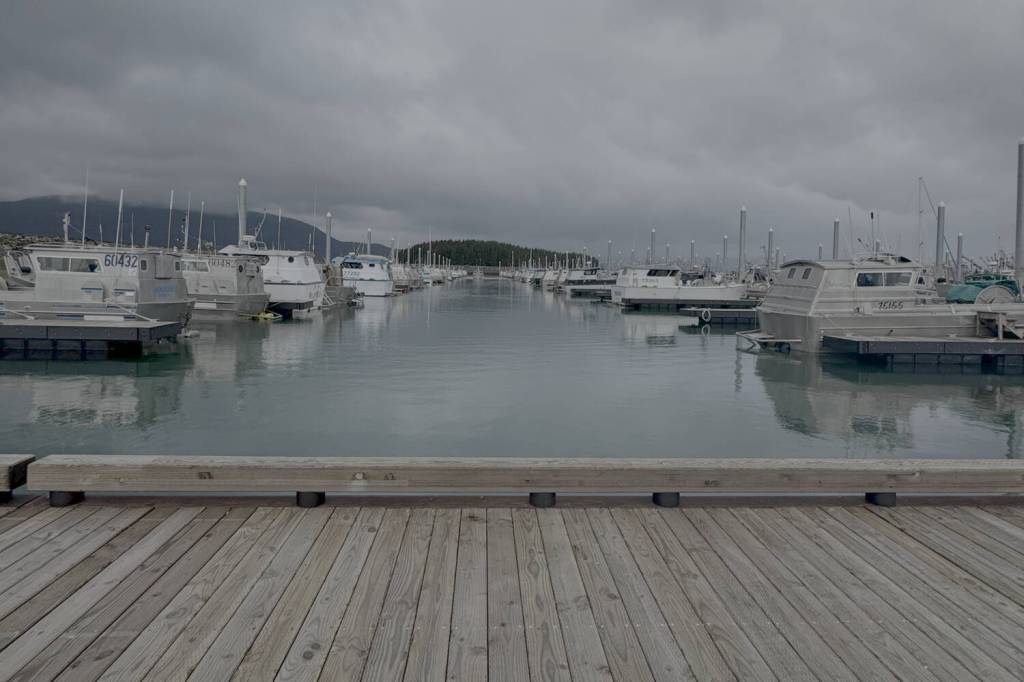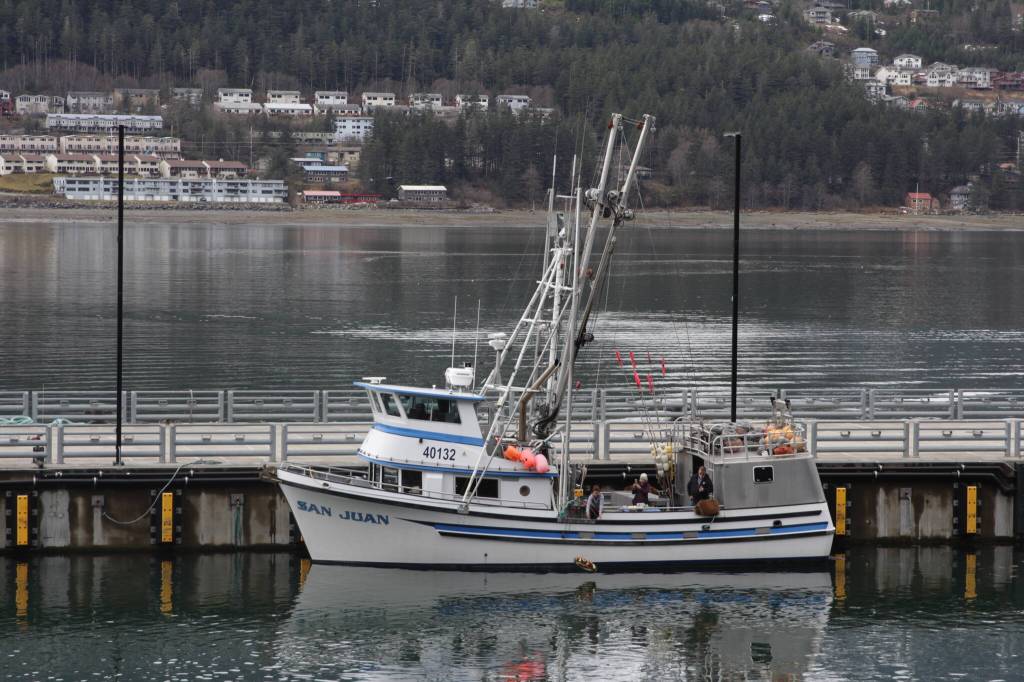
Diesel prices climbed so high this summer that some Southeast Alaska fishermen shifted toward less fuel-intensive fishing, but now, an $8 billion federal relief program could help offset those costs, although crews still don’t know when they can apply or how much they might receive.
The U.S. Department of Agriculture announced the Harvest Fuel Relief Program on Monday (Oct. 19), promising one-time payments to producers facing higher operating costs and market disruptions. Sen. Dan Sullivan announced Tuesday that Alaska’s commercial fishermen would be eligible to participate.
Juneau has a sizable stake in the program. United Fishermen of Alaska’s latest community profile, using 2023 data, lists 482 fishing vessels homeported in the city and borough, including 275 that were locally owned. Seafood delivered to Juneau that year carried an estimated dockside value of $27 million.
USDA has not published a payment formula for fishermen, announced an application period or specified how much of the $8 billion will be available to seafood harvesters, but for Southeast crews, the financial pressure behind the announcement has been building for months.
Linda Behnken, a Sitka fisherman and executive director of the Alaska Longline Fishermen’s Association, said in May that diesel prices had risen more than $1 a gallon in a single week, just as vessels were preparing to fill their tanks ahead of the season.
Halibut and sablefish prices were strong enough at the time to keep vessels fishing, according to Behnken, but salmon fishermen faced a more difficult calculation, with the prospect of smaller earnings making expensive trips harder to justify.
Thatcher Brouwer, executive director of United Fishermen of Alaska, experienced those rising costs while commercial salmon trolling this summer. He frequently delivers his catch in Pelican, where diesel cost more than $6 a gallon throughout the season.
Limited barge service and lower fuel sales volumes make the small Southeast community more expensive to supply than larger ports, he said. Prices were roughly $2 a gallon higher than the previous year.
The added expense comes alongside higher prices for food, fishing gear and other supplies, leaving fishermen with less money after covering the costs of operating their vessels.
The consequences became apparent during Southeast Alaska’s summer king salmon troll fishery, which opened July 1. By mid-July, approximately 400 permit holders had participated, compared with roughly 470 during the same period in 2025, according to Alaska Department of Fish and Game biologist Grant Hagerman.
Hagerman explained that fishing had been slower than anticipated, while fewer participating vessels meant crews were taking longer to reach the allotted king salmon harvest.
Despite unusually strong king salmon prices, Hagerman said expensive diesel could persuade fishermen to stay at the dock or pursue more productive chum salmon fishing. Brouwer noticed a similar shift during his own season, with a larger share of the fleet targeting hatchery chum salmon than he typically sees.
He believes fuel expenses contributed to that decision. Chum fishing generally requires less fuel than trolling for king or coho salmon, allowing fishermen to reduce their operating costs without abandoning the season altogether.
In Juneau, commercial fishing supports activity at local docks, processing facilities and marine businesses. The city’s fleet participates in salmon, halibut, sablefish and other fisheries, with operating expenses that vary according to the vessel, fishing method and distance traveled.
Southeast Alaska’s winter troll season opened Oct. 11 and is scheduled to run through March 15, 2027, unless its harvest limit is reached sooner.
Meanwhile, Brouwer said diesel prices in Southeast Alaska can take longer to fall because fuel is shipped from Washington refineries. He said prices were continuing to climb as fishermen pursued fall fisheries, including Dungeness crab, halibut and sablefish.
For fishermen facing different seasonal demands, a central question is how USDA will calculate assistance when vessels consume different amounts of fuel and operate under different economic conditions. The department said payments for major agricultural commodities will be calculated using a national formula based on planted acreage, production-cost estimates, yields and commodity prices, with commodity-specific payment rates expected in November.
Fishermen, however, fall under a separate category of eligible producers for which payment methods have not been finalized and USDA is seeking information about increased fuel expenses to help establish those rates.
Brouwer said the department needs a method that accounts for the differences between fisheries while still being easy enough for operators across the country to use.
He favours calculating relief according to the number of gallons a fisherman consumed during a specified period and the difference in average fuel prices between that period and a previous year. Such a formula, he said, would provide an estimate of the additional expenses each operation incurred.
“It can’t be the same way that they look at farmers and crops,” Brouwer said.
Using fuel consumption per pound of fish harvested would be considerably more complicated, he argued, because fisheries differ in both catch volumes and operating methods. Salmon trolling, for example, generally produces smaller quantities of high-value fish than some other commercial fisheries.
Although most fishermen retain fuel receipts for tax purposes, Brouwer worries a complicated reporting formula could leave some operators unable to calculate their expenses accurately or receive appropriate assistance.
Sullivan’s office said fishermen should begin compiling records of vessel fuel consumption and costs, which will help the agency determine appropriate relief.
“Like America’s farmers, America’s fishermen have been strained by rising diesel prices and disruptions in global energy markets,” Sullivan said in Tuesday’s announcement. He encouraged fishermen to submit their fuel information while the federal government develops the program.
Even with federal assistance, Brouwer said fishermen face uncertainty heading into another season. Prices paid for many seafood species increased this year, helping offset higher fuel bills, but similar earnings are far from guaranteed in 2027.
Processors are facing rising expenses of their own, he added. Some use diesel to generate electricity for freezers, while others must cover additional fuel costs for tenders and transportation — adding pressure throughout the seafood industry, even though the announced relief is directed toward producers rather than processors.
For fishermen, payments covering even part of this year’s additional expenses could make it easier to prepare for the next season, particularly if dockside prices decline.
“If that extra money is just going to fuel, then there’s no money in the bank,” Brouwer said.
The $8 billion program is authorized under the Commodity Credit Corporation Charter Act and will be administered by USDA’s Farm Service Agency. The amount includes support for agricultural producers nationwide, with no announced allocation specifically for Alaska or Juneau.
While the payment formula is being developed, the department is asking fishermen to submit information documenting increased fuel costs to HarvestFuel@usda.gov.
Eligible producers are encouraged to establish a Login.gov account linked to USDA in preparation for online applications. The department said prefilled applications will be available through those accounts once the program opens.