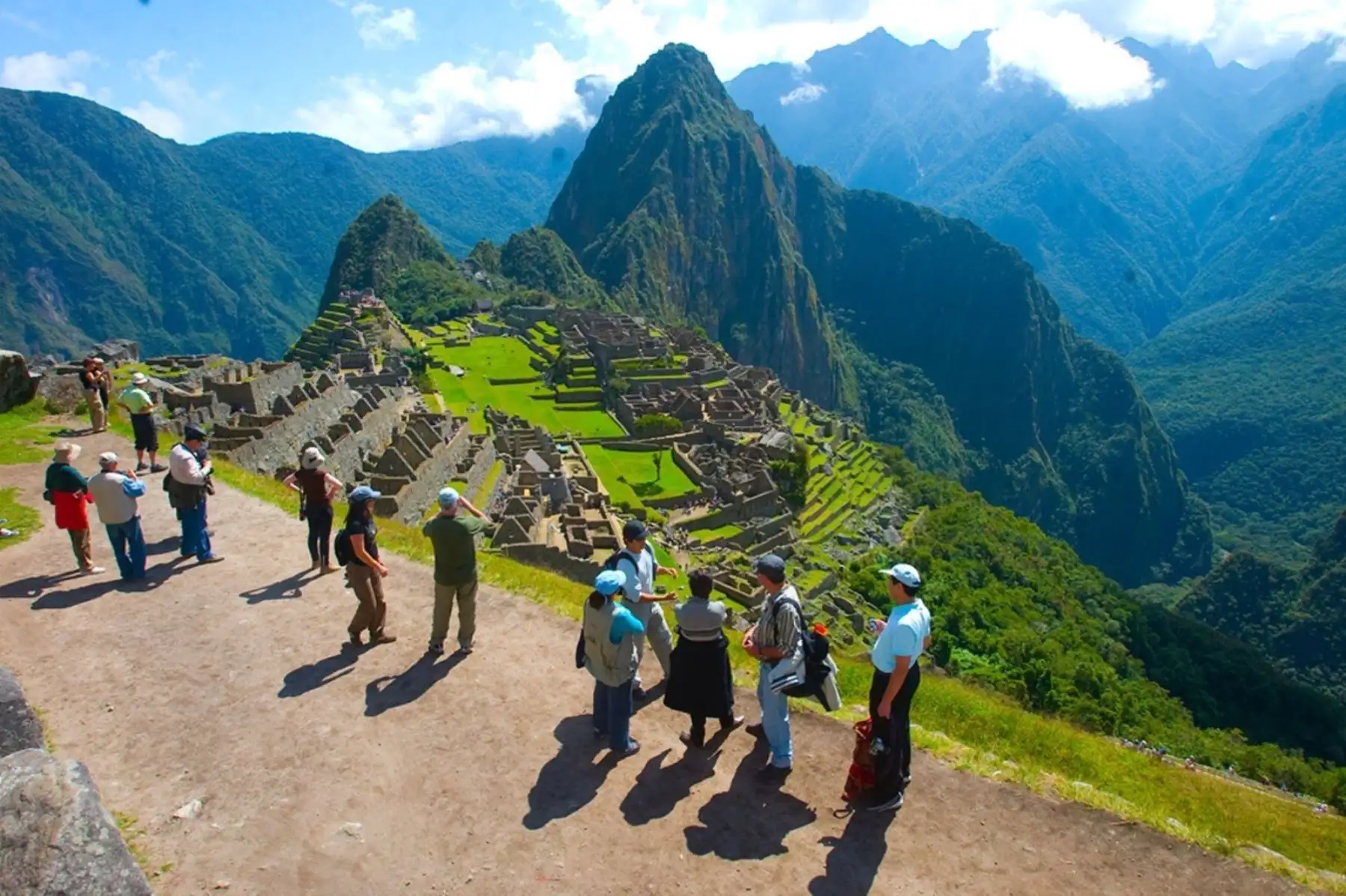
Peru is betting on sustainable tourism that generates jobs and protects its destinations,
stated.
Remarks were made on Thursday during the discussion titled “The Tourism We Want: A Meeting on Sustainable Tourism and World Heritage in Peru.”
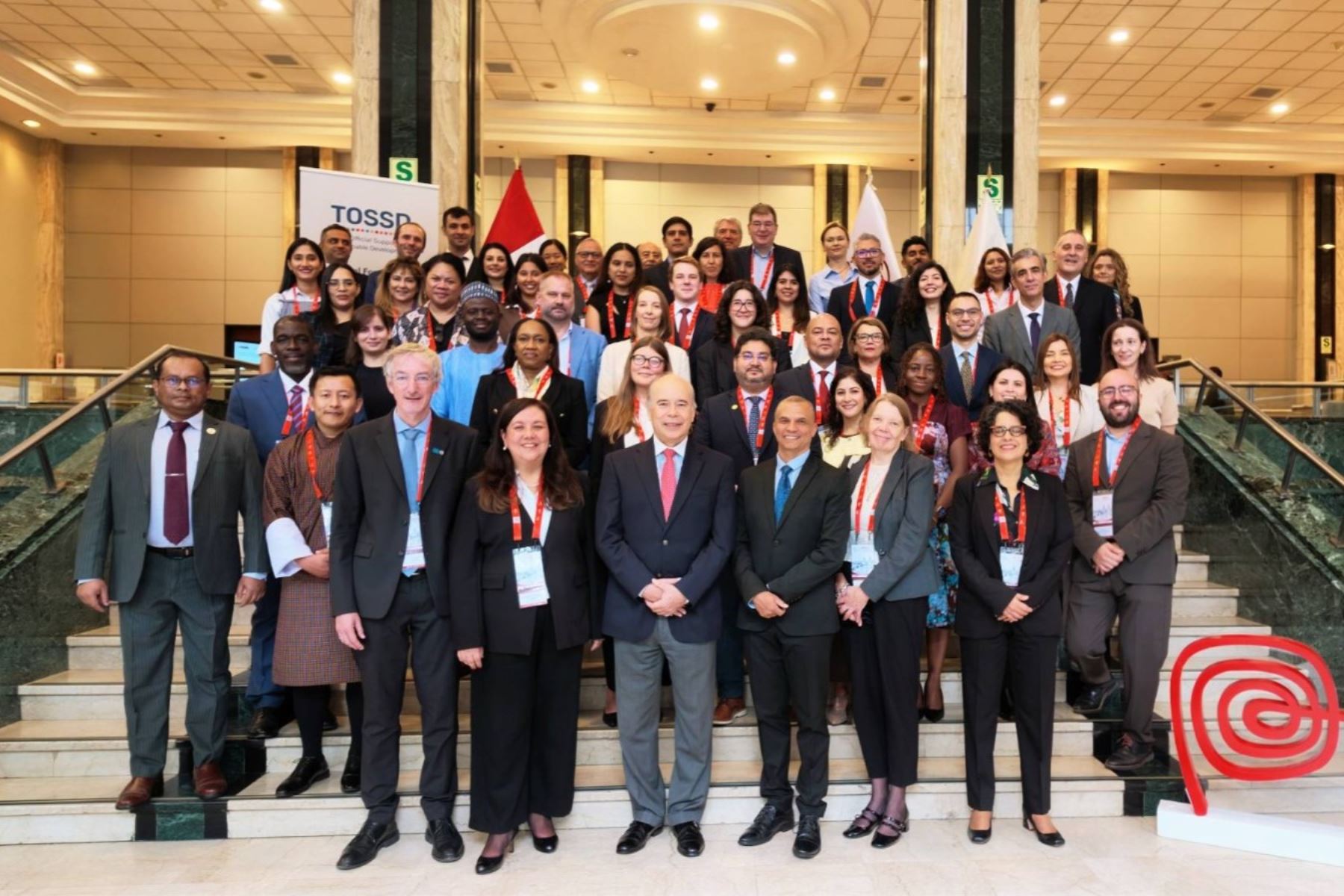
The meeting—organized with the participation of the United Nations Educational, Scientific and Cultural Organization (UNESCO)—brought together representatives of institutions involved in tourism and conservation.
“The tourism we want is tourism that protects, generates jobs, takes care of the destination, and motivates visitors to learn about and participate in the local culture,” the government official noted.
During his remarks, the minister noted that Peru must periodically ask itself what tourism model it needs to address new challenges and turn its extraordinary natural and cultural wealth into tourism products that generate greater value.
To achieve this, he explained, it is necessary to coordinate heritage conservation, the enhancement of attractions, connectivity, and services that make it possible to offer quality experiences.
In this regard, he highlighted the approval, in March 2026, of the Circular Economy Roadmap for the Tourism Sector through 2030—an instrument that guides the transition toward more sustainable, inclusive, and competitive tourism.
The Cabinet member also underscored that tourism represents an opportunity to showcase Peruvian identity, traditions, cuisine, music, and cultural diversity to the world, in a global context that needs to preserve the distinctive expressions of each society.
“Let us build together the tourism we want: tourism that preserves our ecosystems, creates opportunities for everyone, and contributes to the country’s development,” he concluded.
The event was attended by National Service for Natural Areas Protected by the State (Sernanp) Executive President Jose Carlos Nieto; UNESCO Peru National Culture Officer Jose Salazar; and UNESCO Peru Education Officer Fernando Berrios.
Also in attendance were representatives of institutions linked to tourism, conservation, and heritage protection, as well as students and young people pursuing studies in tourism and hospitality.
(END) NDP/MDV/MVB