Everett council OKs first B&O tax rework in over two decades
Published 1:58 pm Thursday, October 15, 2026
EVERETT — The Everett City Council approved a major change to its business and occupation tax code on Wednesday, a move that raises taxes for some businesses but exempts thousands of smaller companies from paying the tax.
Before the changes, the city charged the same businesses and occupation taxes, known as B&O taxes, to all companies across the city in four different sectors: retail and restaurants, manufacturing, wholesale and services. All companies paid a 0.1% tax on their annual revenues; companies that earned less than $20,000 in a year were exempt.
The new B&O tax changes, the first rework of Everett’s business tax code in more than two decades, will raise that exemption threshold to $250,000 rather than $20,000. That means about 3,000 additional businesses will not have to pay the tax, city officials have previously said. In total, about 6,500 of the city’s 9,000 businesses will be exempt.
The new ordinance also raised taxes in three of the four business sectors across the city. Taxes for manufacturing companies rose from 0.1% to 0.12%, while the wholesale and service sectors saw an increase from 0.1% to 0.15%.
Everett officials chose to lower the tax rate for the retail and restaurant sector, from 0.1% to 0.075%, because of the thin margins in those industries and because that is the largest category of businesses in the city, deputy mayor Mike Fong previously said. He estimated that about 2,000 companies would see a tax reduction due to the change.
The B&O tax changes will raise about $3.5 million per year, according to city officials. Before the changes, all B&O tax revenue went into the city’s general fund, paying for city services like police, the fire department and parks. Those make up about 13% of the city’s general fund revenues.
While existing B&O revenue will continue to go into the general fund, the money from the new tax changes will not go toward general city services, Everett Mayor Cassie Franklin previously said. The new funding will be set aside into a separate subfund limited to spending on economic development efforts.
The city plans to put most of those funds, between $2.5 million to $2.9 million per year, towards its proposed downtown stadium project that could host the Everett AquaSox and United Soccer League teams.
Wednesday’s vote was the first time that Everett had raised taxes specifically to allocate dollars toward the project, known as the Outdoor Event Center. A fiscal advisory committee studying ways to pay for the stadium had recommended against doing so in 2024. But the city is looking for ways to raise more money for the project after its estimated cost jumped from about $82 million to an estimated $120 million earlier this year. Other sources of funding have come from city capital dollars, a state grant and loans from the city’s general fund that it plans to pay back via a bond measure.
With the new funding, Everett also plans to launch a new team to support businesses navigating city processes like permitting, and create a new grant program to provide funding to commercial districts that would go toward promoting events, storefront improvements and marketing efforts. The city plans to put between $300,000 to $500,000 per year into each of the two programs.
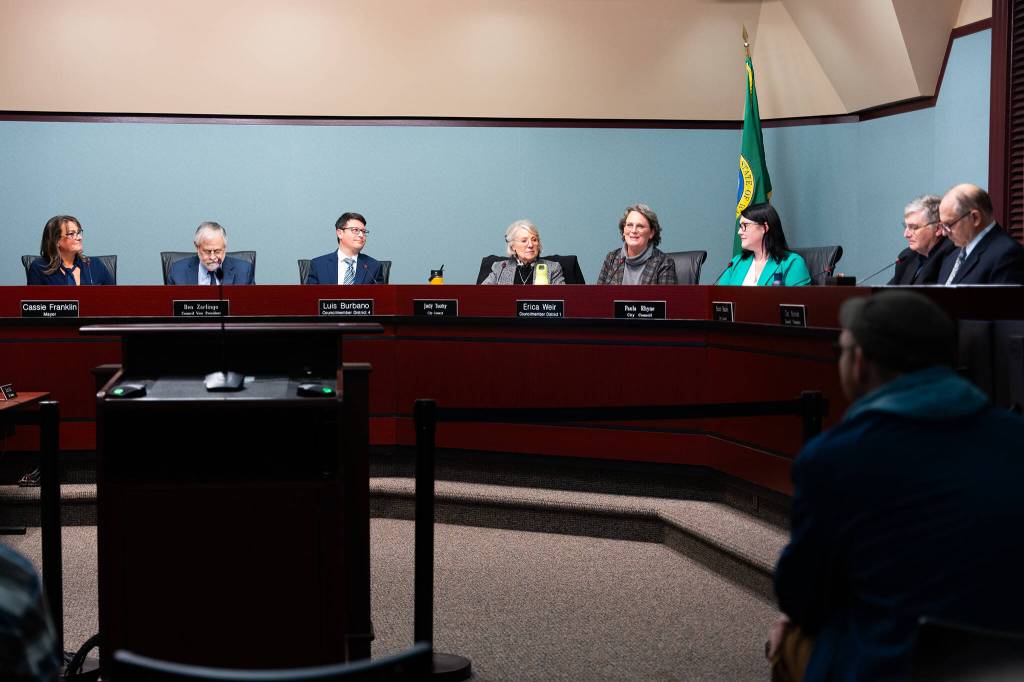
The tax changes passed with a unanimous vote on Wednesday. Council member Paula Rhyne said that she supported the measure as it would “reduce the squeeze” on smaller businesses that will now be exempt from paying the tax.
“These B&O rates have been stagnant for the last 20 years while Everett has not,” Rhyne said.
In a press release Wednesday evening, Everett mayor Cassie Franklin wrote that the changes will “provide meaningful relief for our small businesses while creating a sustainable way to reinvest in our community.”
“This package will help us build on our progress, support our local economy and create more opportunities for the future,” Franklin wrote.
The city council will have to approve a budget amendment, likely in 2027, to allocate the funding from the tax increase toward the city projects. According to the press release, the new business support programs could launch as soon as the first quarter of 2027.
Will Geschke: 425-339-3443; william.geschke@heraldnet.com; X: @willgeschke.