Baghdad (IraqiNews.com) – Iraq is considering doubling the capacity of a planned solar power plant in Najaf from 1,000 to 2,000 megawatts following discussions between Iraq’s Minister of Electricity Ali Saadi Waheeb and Saudi energy company Acwa in Riyadh.
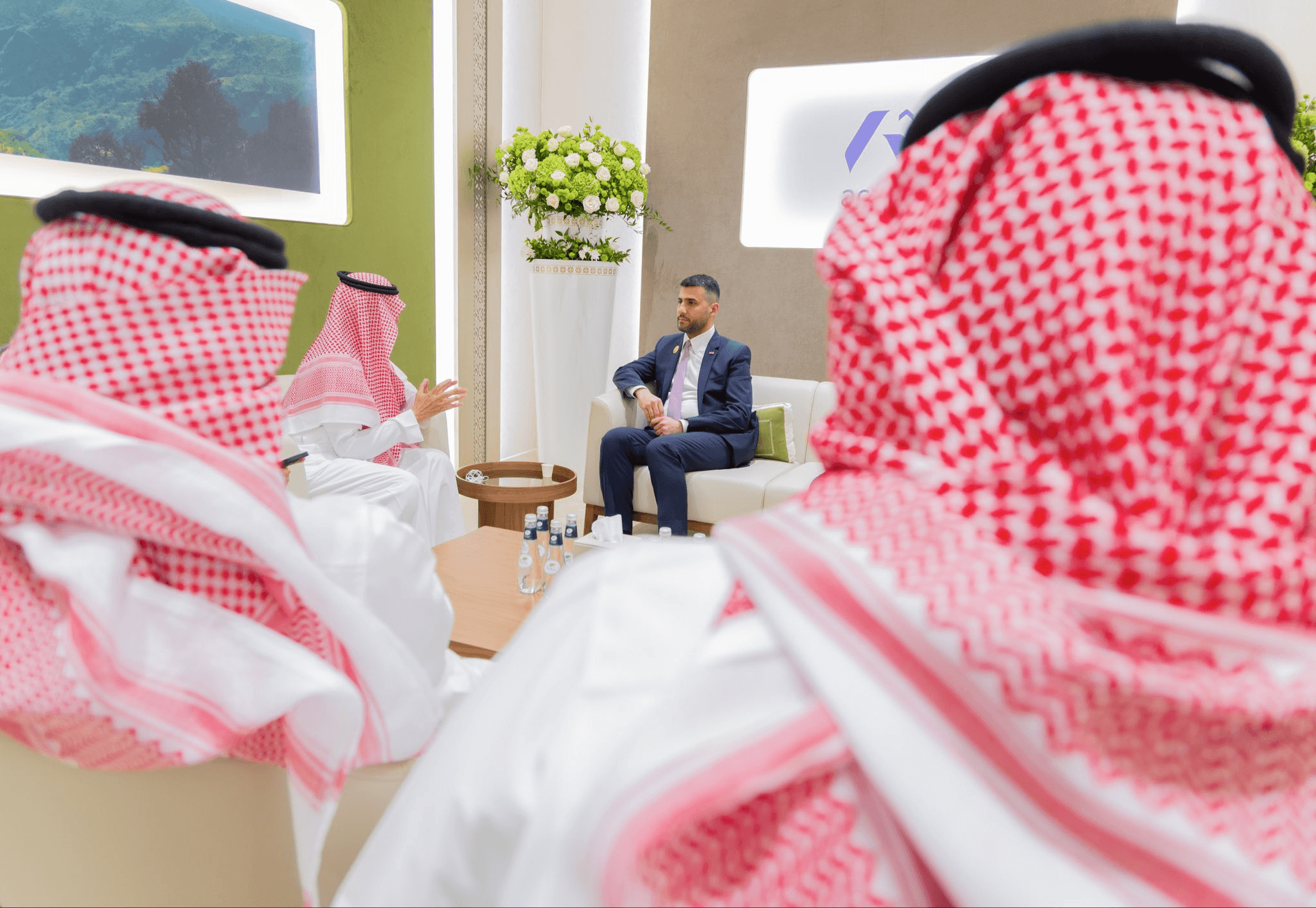
Waheeb met with Acwa Chairman Mohammed Abunayyan on the sidelines of the 25th WPC Energy Congress, where the two parties evaluated the planned solar project’s development and discussed the next stages in its execution.
According to the Iraqi Minister, the talks centered on accelerating the preparation and finalization of Acwa’s commercial proposal for the Najaf development.
The two parties also discussed the idea of increasing the plant’s projected generating capacity to 2,000 MW and integrating battery energy storage systems (BESS) at a recommended 30% ratio.
The prospective extension would greatly expand the project’s size, although the parties have not yet announced a final decision on increased capacity or amended investment conditions.
Iraq’s departing Ambassador to Saudi Arabia, Safia Taleb Ali al-Suhail, attended the meeting.
Aside from the Najaf solar expansion, Waheeb and Abunayyan addressed potential collaboration in managing and maintaining existing Iraqi power plants.
The Iraqi minister indicated an interest in using Acwa’s technical and operational knowledge to increase plant efficiency and conduct a pilot project at an existing functioning power-producing facility in Iraq.
The Najaf solar project goes back to 2023, when Acwa agreed to build a 1,000 MW solar plant in the governorate, around 160 kilometers south of Baghdad.
The facility was suggested as part of Iraq’s aim to increase large-scale renewable energy production and decrease reliance on conventional power facilities.
Iraq has been working to diversify its power mix and attract foreign investment as growing demand, aging infrastructure, and fuel supply problems continue to pressure the national system.
The Riyadh meetings indicate fresh attempts to develop the Najaf project, with the commercial concept and prospective capacity growth still under consideration.