Solomon Islands urges families to prepare for disasters through emergency plans, essential supplies and early warning systems.
The Solomon Islands Government is urging families to prepare for disasters by taking simple steps at home to protect lives and reduce damage.
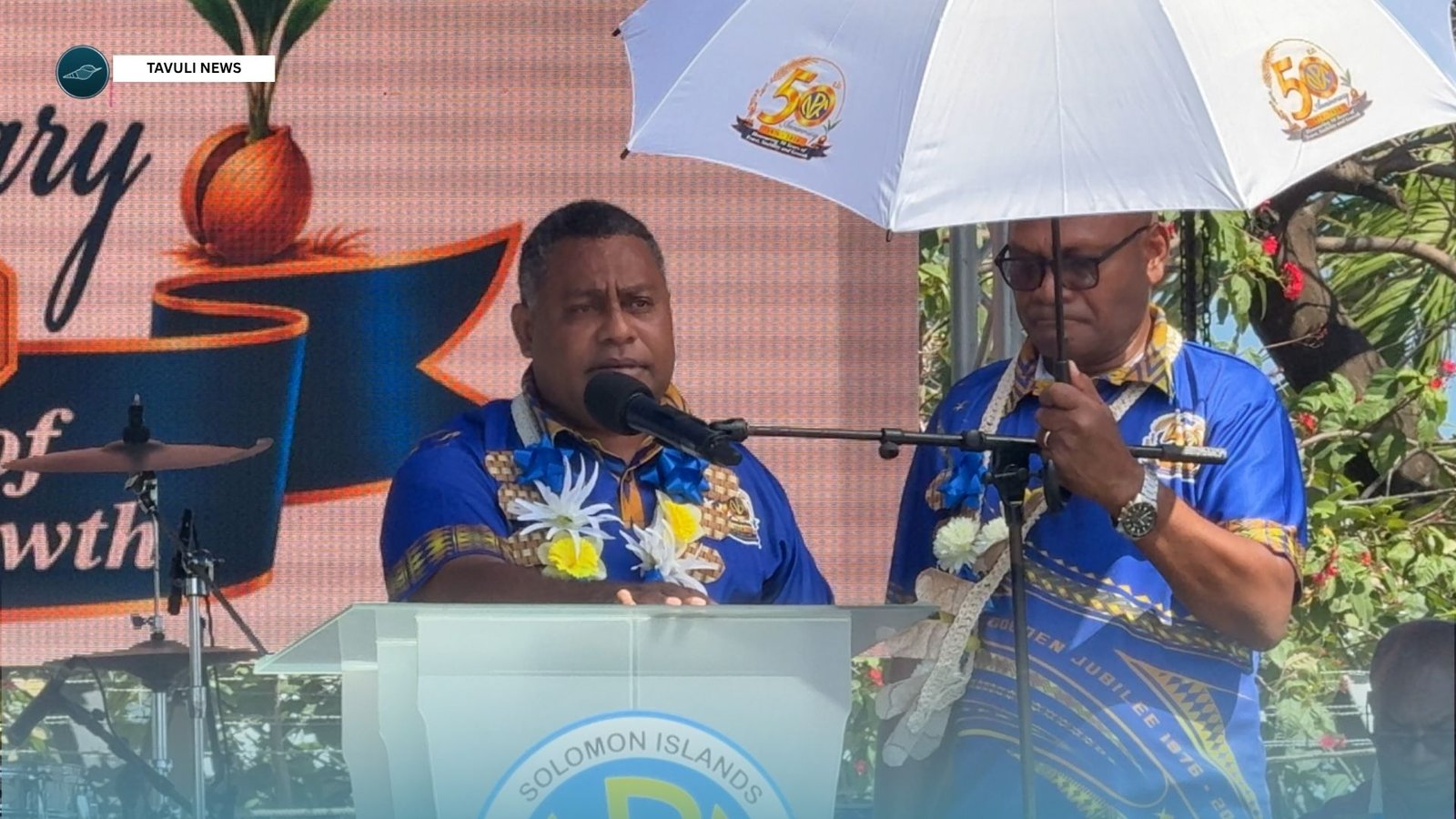
Minister for Environment, Climate Change, Disaster Management and Meteorology Wayne Ghemu delivered the message while marking the International Day for Disaster Risk Reduction 2026 under the theme “Resilience Starts at Home.”
Ghemu said families, neighbours and communities were often the first to respond when disasters occurred, especially before emergency assistance arrived.
“When disasters strike, our first instinct is often to look to our government … But in those first critical hours before assistance arrives, it is our families, our neighbours and our communities who stand together,” he said.
He encouraged households to develop emergency plans, prepare essential supplies, identify evacuation options and consider the needs of family members who may require additional support.
Ghemu said preparing in advance could also help families reduce costs and recover more quickly after a disaster.
“Preparedness at home is not only life-saving, but also cost-saving,” he said.
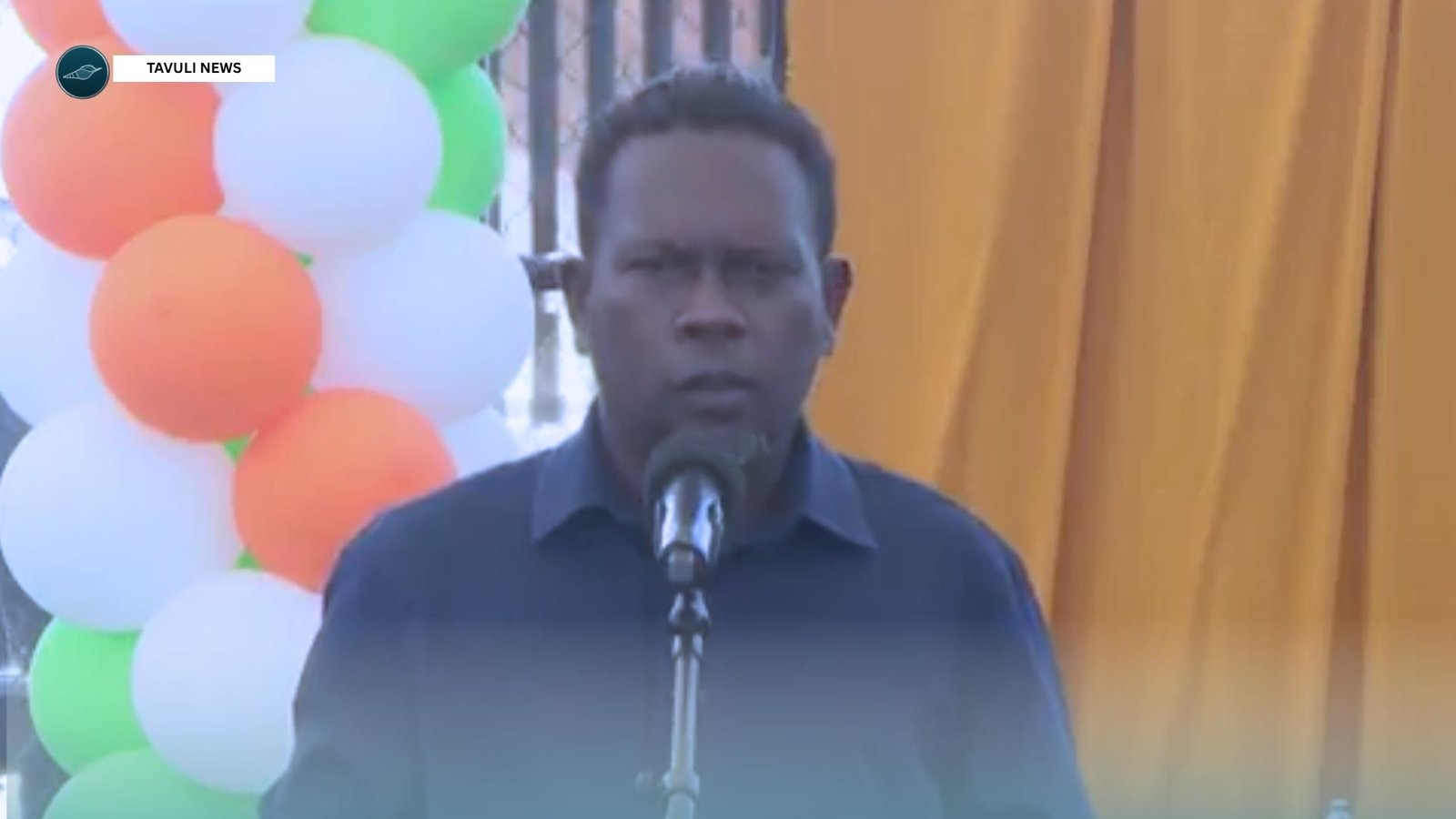
New Zealand Deputy High Commissioner to Solomon Islands Darren Paki said disaster response was important, but more effort was needed to reduce risks before emergencies occurred.
“Responding to disasters, while essential, is not enough. Some of the most important decisions are made before a disaster occurs,” Paki said.
New Zealand Deputy High Commissioner to Solomon Islands Darren Paki
He highlighted the importance of protecting water supplies, food sources and livelihoods, restoring forests and mangroves, and combining traditional knowledge with modern science and technology.
Paki also raised concerns about the possibility of increased drought conditions linked to El Niño. He encouraged families to conserve water and communities to protect water sources and identify households that may need additional support.
“Warnings only matter if people are able to act on them,” he said, stressing the need for communities to have the knowledge, resources and support needed to respond to emergencies.
Ghemu said the Yumi Ready digital platform, launched a day earlier, was designed to improve access to disaster and climate information. Its features include early warning alerts, emergency contacts, incident reporting, educational resources and a family emergency planning tool.
Both speakers said disaster resilience requires cooperation between families, communities, government and development partners.
Paki said New Zealand would continue supporting Solomon Islands through partnerships focused on provincial planning, weather forecasting, early warning systems, water security and community resilience.
By Steven Kamoa