Cambodia saw improvements in waste disposal and plastic waste management in urban areas and pagodas during the Pchum Ben festival, reflecting growing public awareness and participation in environmental protection, the Ministry of Environment said.
Ministry spokesman Khvay Athitya said residents have become more conscious of keeping public spaces clean, disposing of rubbish properly and reducing plastic bag use, particularly at pagodas and tourist destinations.
He noted that local authorities, private companies and communities have worked together to establish waste collection points and maintain cleanliness during the festive season.
Ahead of the Kan Ben and Pchum Ben festivals, the Ministry of Environment coordinated with capital and provincial administrations and waste collection companies to strengthen sanitation, improve public spaces and protect public health.
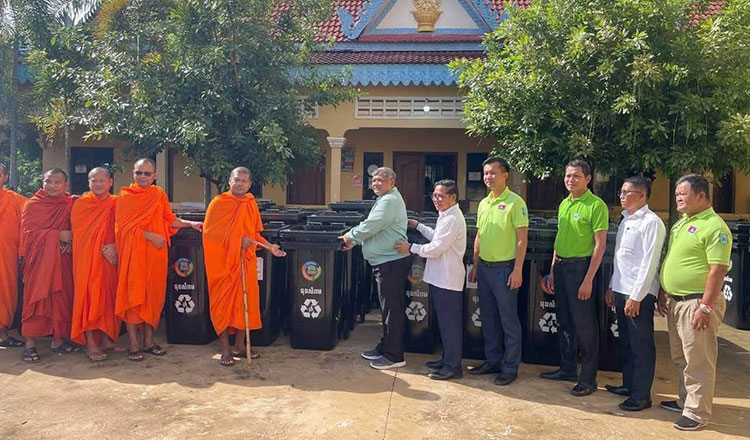
As of early October, the ministry has distributed 45,120 rubbish bins to schools, health centres, pagodas and public places nationwide. The ministry said the availability of waste bins, combined with public education on waste separation, had helped improve waste collection and management and reduce the amount of rubbish discarded at landfills.
According to the Enterprise for Managing Transfer Station and Landfill for Solid Waste, about 51,000 tonnes of waste were recorded in Phnom Penh’s urban areas and pagodas during the 12-day Kan Ben period from September 27 to Thursday.
The figure was comparable to the around 50,000 tonnes recorded during an equivalent 12-day period before the festival, indicating that the volume of waste sent to landfills had not increased significantly during the festive period.
Athitya said the figures were encouraging, given that festivals typically involve greater consumption of food and other goods, which can generate more waste than usual.
The ministry is continuing to promote environmental awareness under its Environmental Circular Strategy, encouraging people to maintain cleanliness, dispose of waste properly and reduce plastic consumption. The approach begins in schools, engaging students before extending to communities, with the aim of turning awareness campaigns into sustained public action.
Initiatives include the “Today, I Don’t Use Plastic Bags” campaign, the “Clean Cambodia, Cambodians Can Do It” campaign and the “Clean Roads Without Garbage and Plastic Waste” campaign.
The Ministry of Environment thanked residents and local authorities for their participation in implementing the strategy, which aims to achieve cleanliness on land, in water and in the air.