More than 37 million people—over two-thirds of Myanmar’s population of more than 54 million—are experiencing or at risk of “multidimensional poverty,” according to the latest report from the United Nations Development Programme (UNDP) released on Thursday.
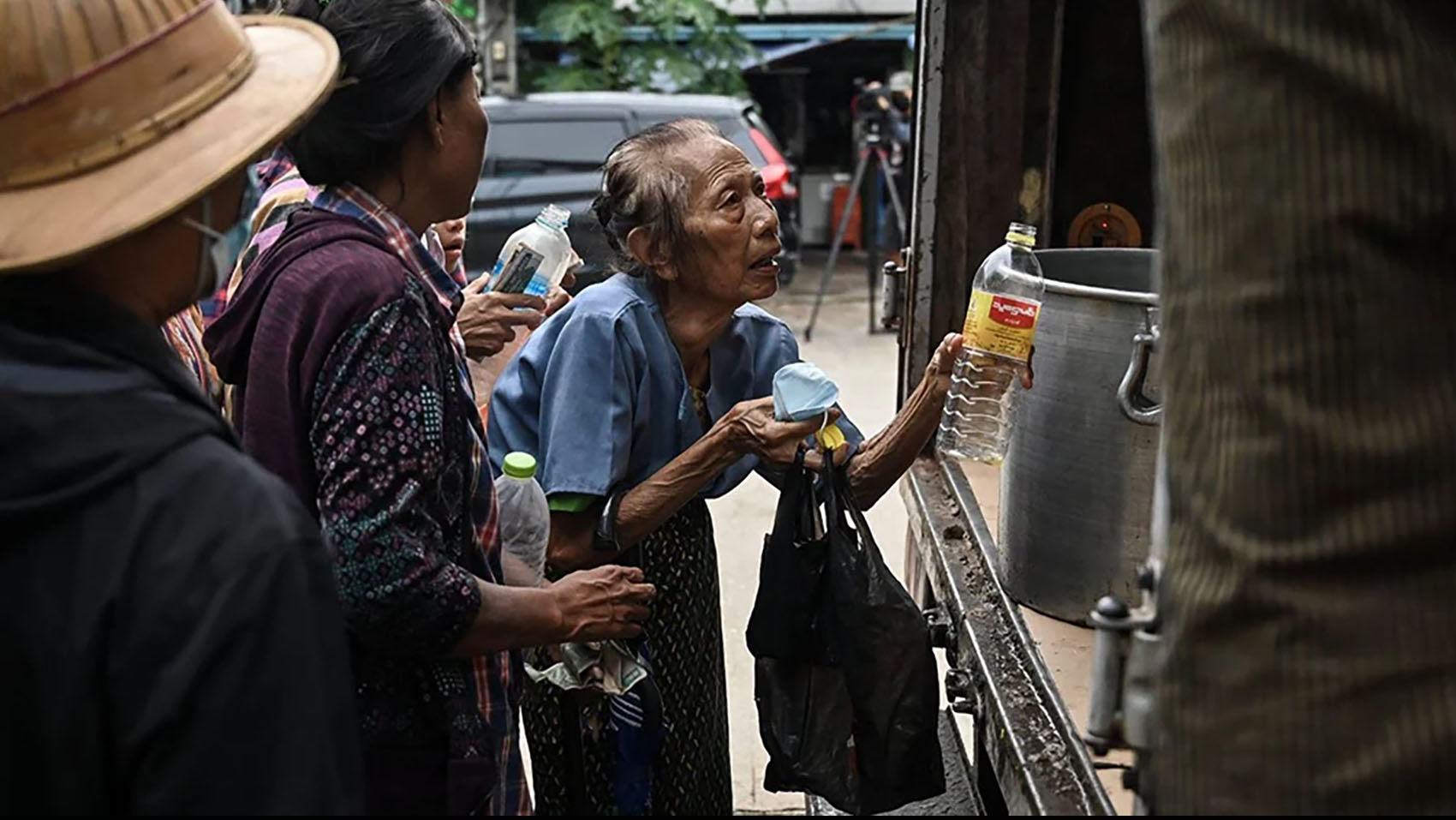
Drawing data from a nationwide household survey of nearly 7,500 people in 2025, the UNDP’s latest analysis examines what it calls multidimensional poverty, which looks beyond income and also covers non-financial deprivation, including access to education and healthcare, and other basic needs, amid economic and political crisis and natural hazards.
It said nearly 18 million people (32.6 percent) in Myanmar are multidimensionally poor, while more than 19 million (35.5 percent) others are vulnerable. That brings the total figure to more than 37 million people (68 percent) who either face poverty or are at risk of falling into it.
“Myanmar may no longer dominate international headlines, but the hardships facing millions of people continue to deepen,” said Kanni Wignaraja, UN assistant secretary-general and UNDP regional director for Asia and the Pacific. “We are seeing a depth of poverty in Myanmar that is eroding human development itself. This is a no-win war. Everyone is losing. The core muscle of the country is being systematically eroded.”
The survey found that people in rural areas are poorer than those in urban areas.
In terms of both severity and scale, the UNDP report highlights Rakhine State as the worst-affected area, with approximately 1.66 million residents enduring the most intense multidimensional poverty. Sagaing Region followed with a larger total of approximately 2.38 million people experiencing less severe poverty. Ayeyarwady Region ranked third.
The UNDP’s analysis indicated that poverty is driven by a combination of long-standing household vulnerabilities, including low education levels, insecure jobs and limited income, and wider pressures such as rising prices, natural hazards and armed conflict.
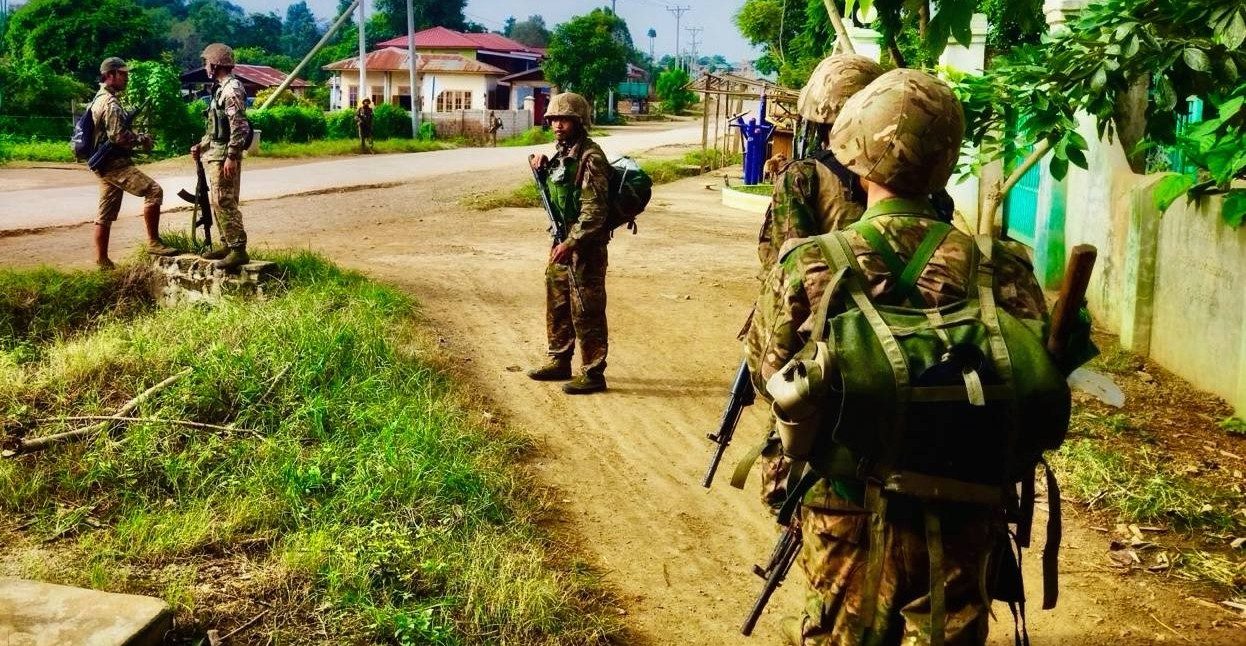
In war-torn Rakhine and Karenni (Kayah) states, poverty has been compounded by conflict, displacement and restrictions on movement.
To address poverty effectively, the report concluded that aid must provide intensive support to hard-hit conflict zones while reaching larger numbers of poor residents elsewhere, with assistance tailored to local needs.