by Rochelle
Grenada’s third quarter was marked by relief for households, visible reconstruction across the sister islands, stronger tourism activity and new commitments that will shape the country’s finances beyond 2026.
From the cost-of-living measures introduced in July to major infrastructure milestones in Carriacou and Petite Martinique and a new round of government spending approved in September, the quarter showed an economy still recovering while trying to create room for its next phase of development.
Relief and recovery
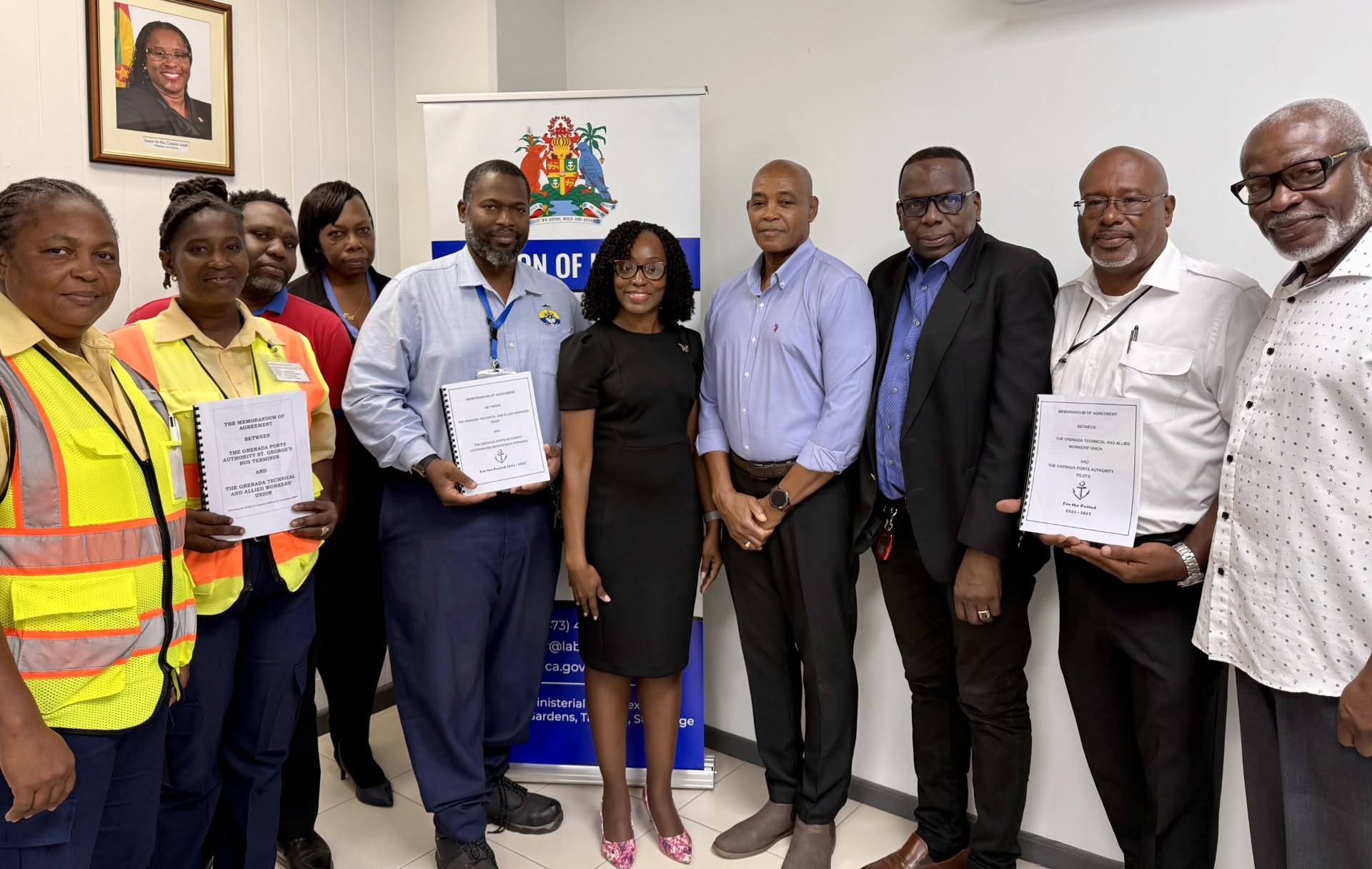
The quarter began with the government’s EC$18 million Cost of Living Assistance Programme, which included a larger electricity subsidy, VAT relief on electricity, measures to reduce fuel costs and VAT-free shopping days. By the end of August, the first VAT-free weekend had produced heavy activity in businesses across Grenada and a particularly large rush in Carriacou, although shoppers also raised questions about pricing, traffic and the practical savings available. The measures are temporary, with several scheduled to run only through December. August also brought a new three-year agreement with the Grenada Public Workers’ Union, providing salary increases of 4% in 2026, 4% in 2027 and 5% in 2028 — along with improvements to allowances and other benefits. For households, the relief measures offered immediate support; for government, both the relief programme and wage agreement created financial commitments that must be managed alongside other priorities.
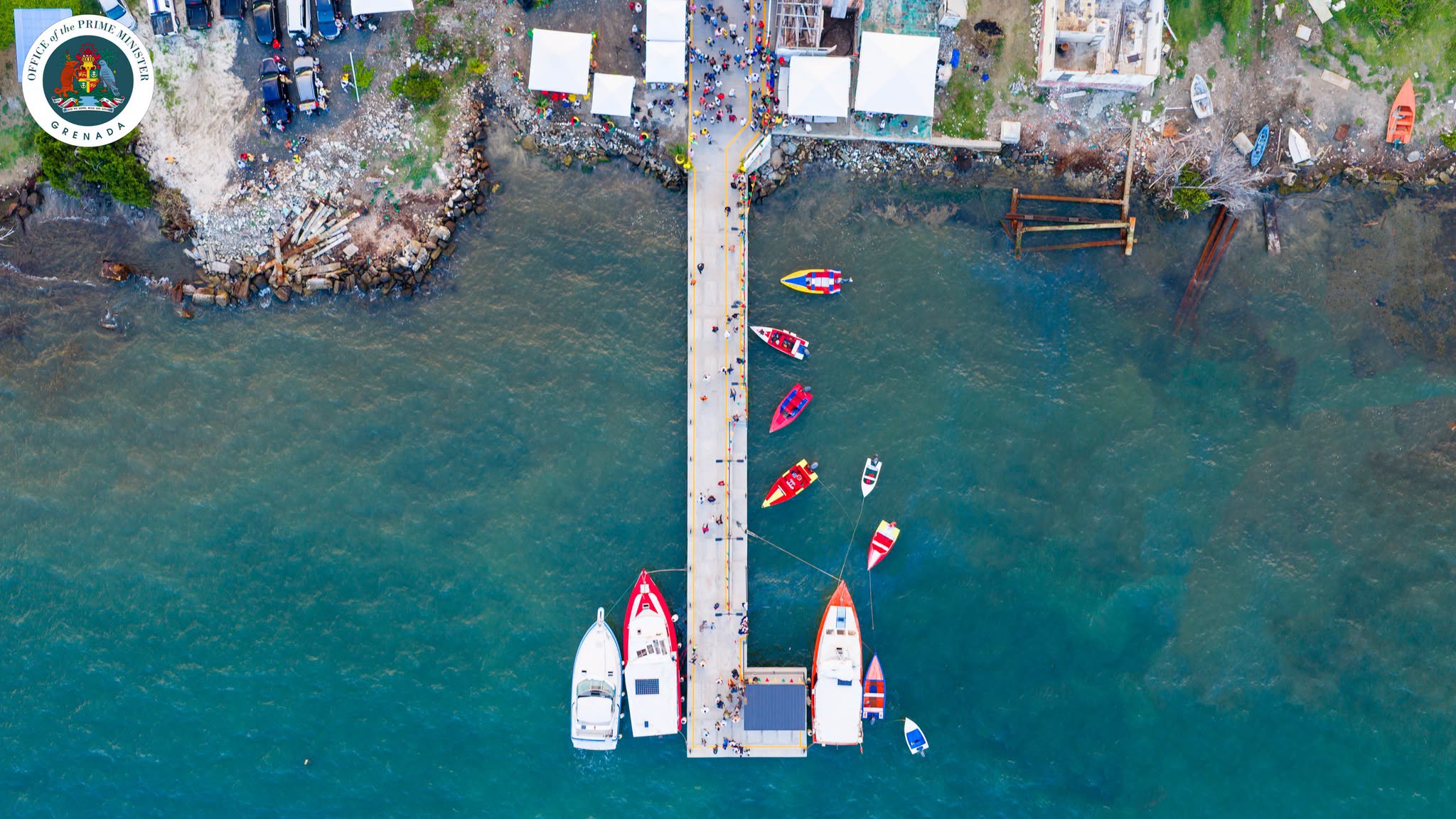
Recovery was particularly visible in Carriacou and Petite Martinique. The new climate-resilient Windward Jetty was opened in September, restoring an important link for fishing, trade and movement between the sister islands. Carriacou’s Herbert A Blaize Airport also moved closer to night operations after a successful test flight, while the new Hillsborough Bus Terminal remained under construction. In Petite Martinique, the 2,470-foot Madam Pierre Road was commissioned with concrete pavement and structural drainage. At the same time, Build Back Better housing continued, with government reporting that 159 resilient homes had been built or were under construction across the affected areas, alongside assistance to thousands of homeowners. These projects put recovery spending into roads, transport, homes and other infrastructure that residents use every day.
The scale of that recovery became clearer in September when Parliament considered an EC$310.9 million supplemental appropriation. The package included EC$161 million for design-finance-build arrangements, another EC$20 million for Hurricane Beryl recovery and EC$2 million for continued road construction in Petite Martinique and road infrastructure across Carriacou. Government said expert assessments indicate that more than EC$600 million is still required to rebuild Carriacou, Petite Martinique and northern Grenada. Opposition concerns about the level and accountability of Beryl-related spending provided a different view of the same numbers. The debate therefore moved beyond whether rebuilding is necessary to how much the country can afford, how projects should be financed and how spending should be scrutinised.
Growth and the road ahead
There were signs of economic activity alongside the spending. Spicemas generated 11,299 arrivals between 2 and 11 August 2; a 20% increase over the comparable period in 2025, with non-national arrivals rising 24%. Agriculture also received renewed attention during the September OECS Youth and Women in Agriculture Symposium, while work at Carriacou’s Limlair Livestock Facility continued with the aim of strengthening local production and food security. Development partners were also reviewing Grenada’s active portfolio of projects across areas including health, agriculture, water, education and renewable energy. These developments point to an economy trying to expand beyond immediate recovery while building greater resilience in sectors that affect food, tourism, jobs and investment.
The quarter also brought changes to the systems behind the economy. Grenada’s Digital Transformation Agency Act became law, the Consumer Affairs Tribunal began operating, and the ECCB launched its Office of Financial Conduct, giving consumers a new regional avenue for complaints against financial institutions. At the same time, the Citizenship by Investment programme entered a period of closer scrutiny, with the Investment Migration Agency commissioning an independent review in September, while the country continued work on its hydrocarbon programme and plans for a future licensing round. Together, these developments touch on how government operates, how consumers are protected and how Grenada manages important sources of investment and future revenue.
Grenada therefore enters the final quarter with several competing priorities. Cost-of-living measures are temporary, the public-sector wage agreement runs through 2028, reconstruction is continuing, and the fiscal rules suspended during the post-Beryl period are expected to return in 2027. With Parliament dissolved on 2 October and a general election scheduled for 5 November, decisions made during Q3 will also form part of the economic landscape facing the next government. The IMF projects 3.1% real GDP growth for 2026, but growth alone does not remove the commitments created during the quarter. The remaining months of the year will show how Grenada balances household relief, reconstruction, public-sector obligations and development while preserving fiscal space for the years ahead.
NOW Grenada is not responsible for the opinions, statements or media content presented by contributors. In case of abuse, click here to report.