Manufacturing continues to weaken as employment in the sector further fell to 3.16 million in August from 3.43 million in July
MANILA, Philippines – The Philippines’ unemployment rate eased to 5.3% in August 2026 as more Filipinos found work, particularly in the agriculture sector.
Around 2.77 million Filipinos were unemployed in August, down from 3.14 million in July, according to preliminary data from the Philippine Statistics Authority (PSA).
The unemployment rate likewise fell from 6% in July, when it hit its highest level in more than four years. However, the August figure is worse than the 3.9% unemployment rate recorded in the same month of 2025.
National Statistician Dennis Mapa said the improvement from July was partly because fewer new entrants joined the labor force after the surge of fresh graduates looking for jobs the previous month.
Around 897,000 Filipinos joined the labor force for the first time in August, down from 1.5 million in July. Of these new entrants, around 470,000 were employed while 427,000 were unemployed, according to Mapa.
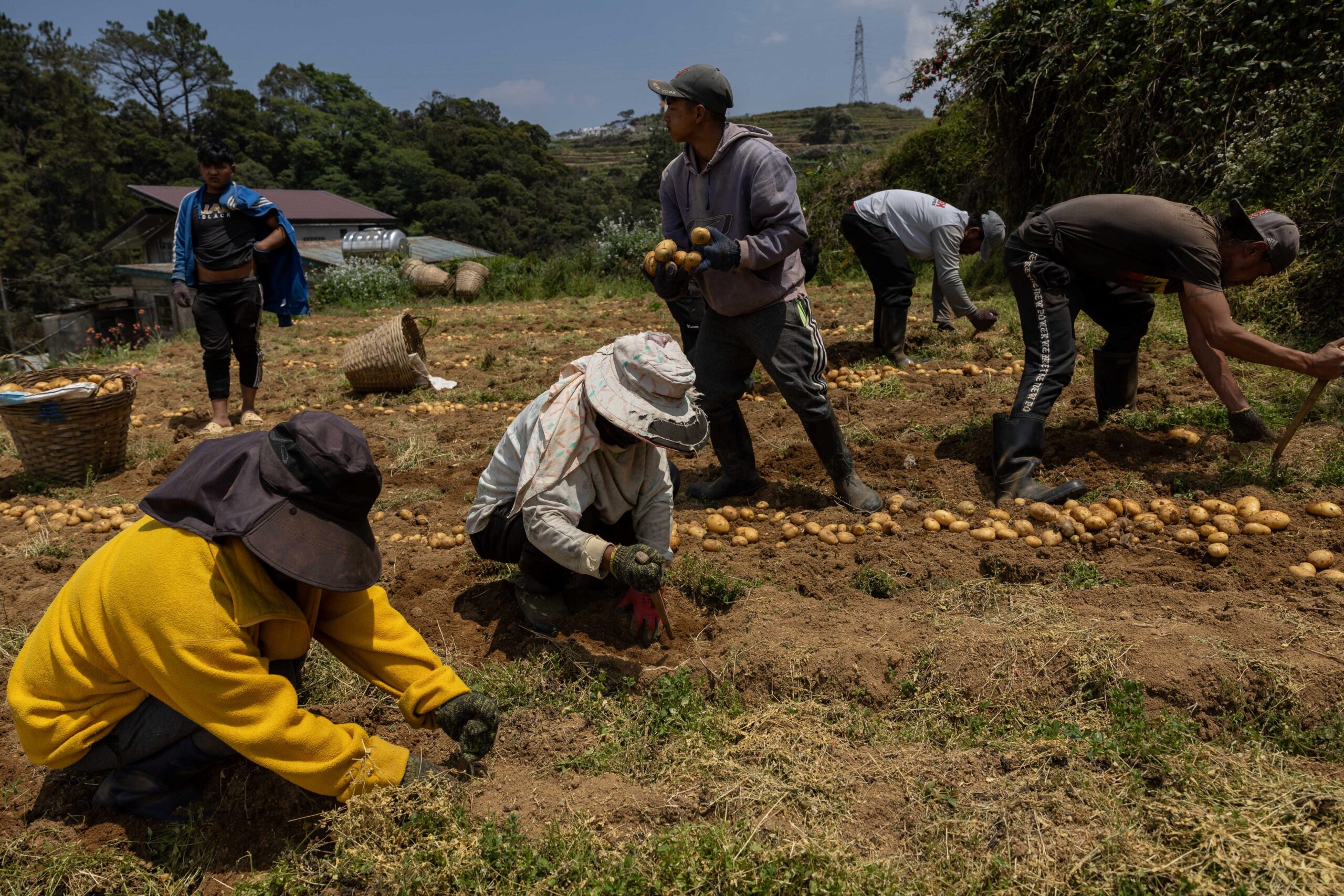
Agriculture and forestry accounted for the biggest month-on-month increase in employment, adding around 847,000 workers. Construction added another 390,000 jobs, while wholesale and retail trade gained 227,000.
Mapa said much of the agriculture increase came from rice and sugarcane production.
Manufacturing, however, continued to weaken. Employment in the sector fell to 3.16 million in August from 3.43 million in July and 3.46 million in June. Mapa said the electronics industry was among those affected, citing challenges in the global market, although seasonality may also be a factor.
Underemployment also improved month-on-month, falling to 11.9% in August from 12.9% in July. This meant around 5.9 million employed Filipinos still wanted additional working hours or another job. The rate, however, was higher than the 10.7% recorded in August 2025.
Bad weather also affected the quality of work during the month. Average hours worked fell to 39.2 hours a week from 40.6 hours in July, with millions of workers reporting bad weather as a reason for working fewer hours.
Mapa said shorter working hours could also translate to lower incomes for some workers, particularly the self-employed and those paid according to the amount of time they work.
The PSA expects employment to pick up toward the end of the year as businesses hire more seasonal workers ahead of the Christmas period. – Rappler.com