1
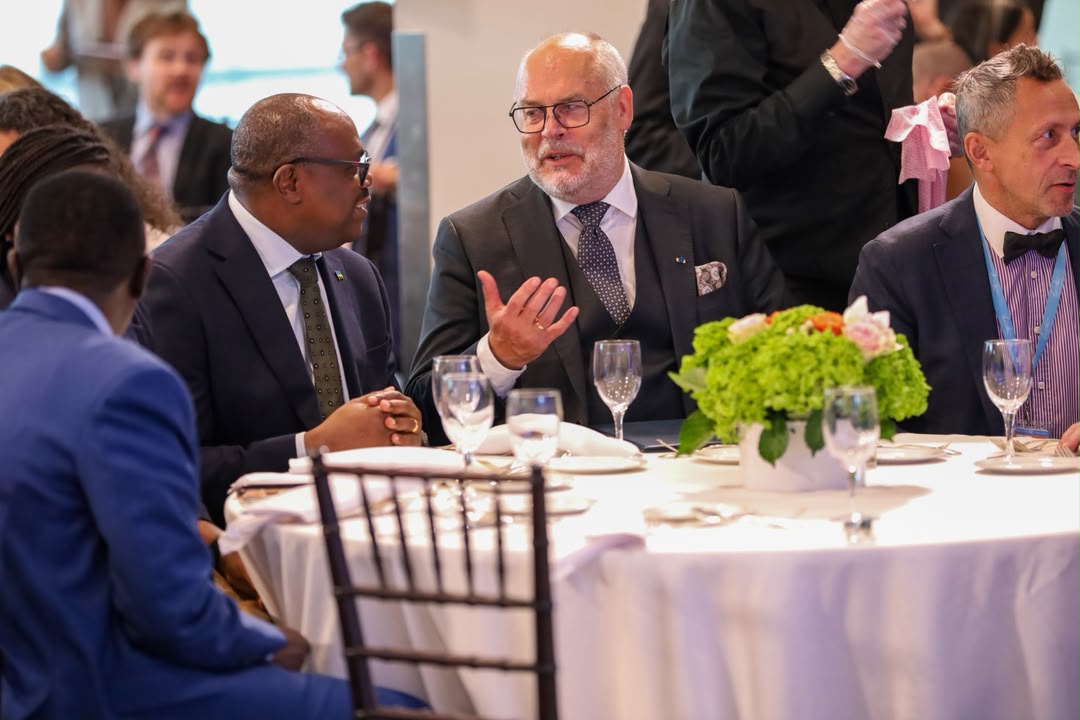
The fourth Climate Vulnerable Forum (CVF) Leaders Meeting was held in New York.
NEW YORK – Climate change is slowly cutting into economic growth, disrupting livelihoods and forcing vulnerable countries to spend more to protect the development they have already achieved.
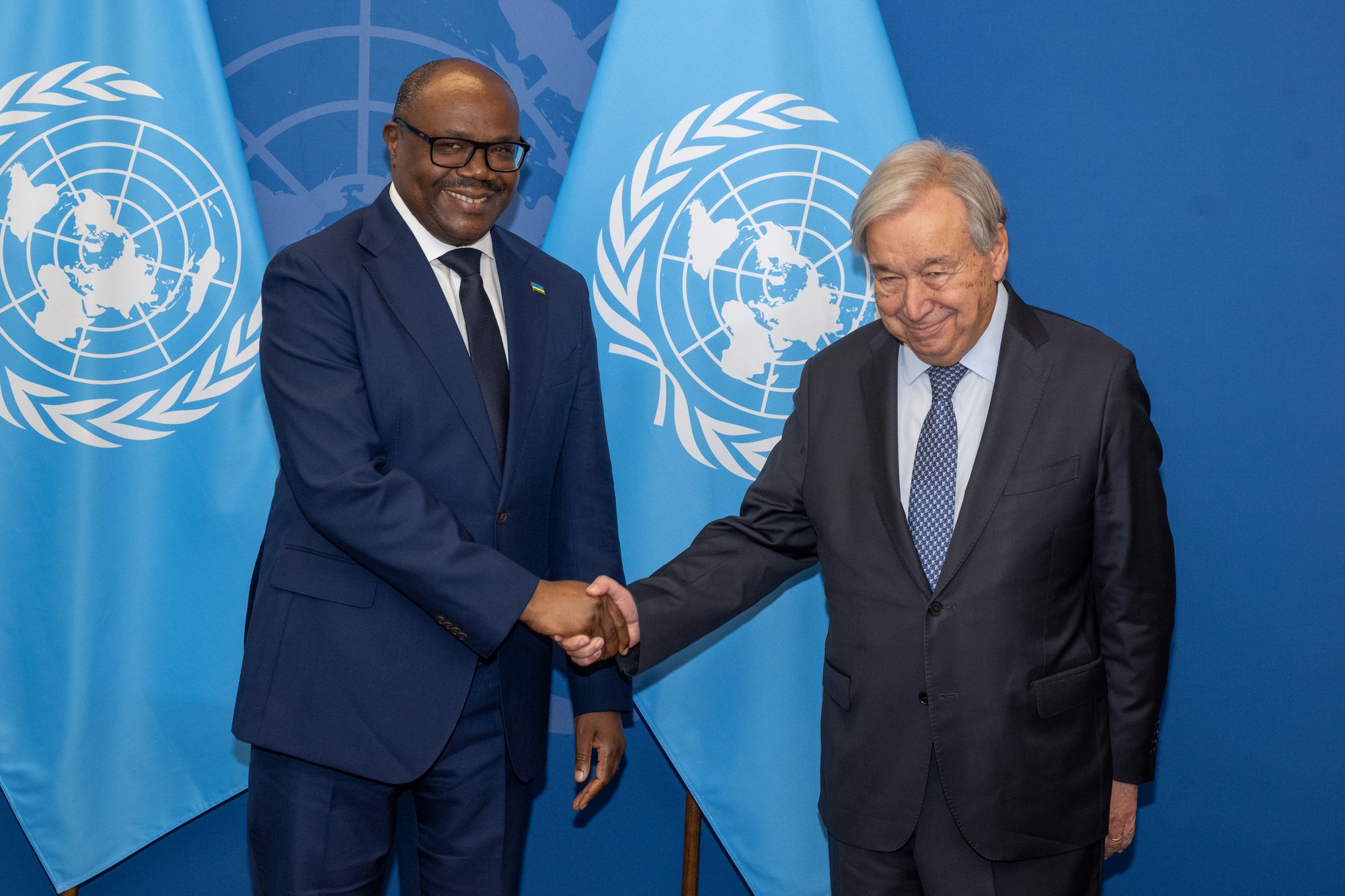
For Rwanda, the cost could amount to 5–7 percent of GDP, a figure Prime Minister Dr. Justin Nsengiyumva says should force the world to rethink how climate vulnerability is financed and addressed.
Nsengiyumva used the fourth Climate Vulnerable Forum (CVF) Leaders Meeting in New York to demonstrate how climate vulnerability is a development constraint that demands a different approach to finance, adaptation and emissions reduction.
“That is not a distant risk or a single disaster to recover from. It is a standing tax on our development, levied whether or not we caused the damage,” Nsengiyumva told leaders gathered on the margins of the 81st United Nations General Assembly.
The figure is consistent with World Bank assessments that climate risks could push GDP levels of some countries below baseline standards. The bank identifies dependence on climate-sensitive sectors, including rain-fed agriculture, as a major source of vulnerability.
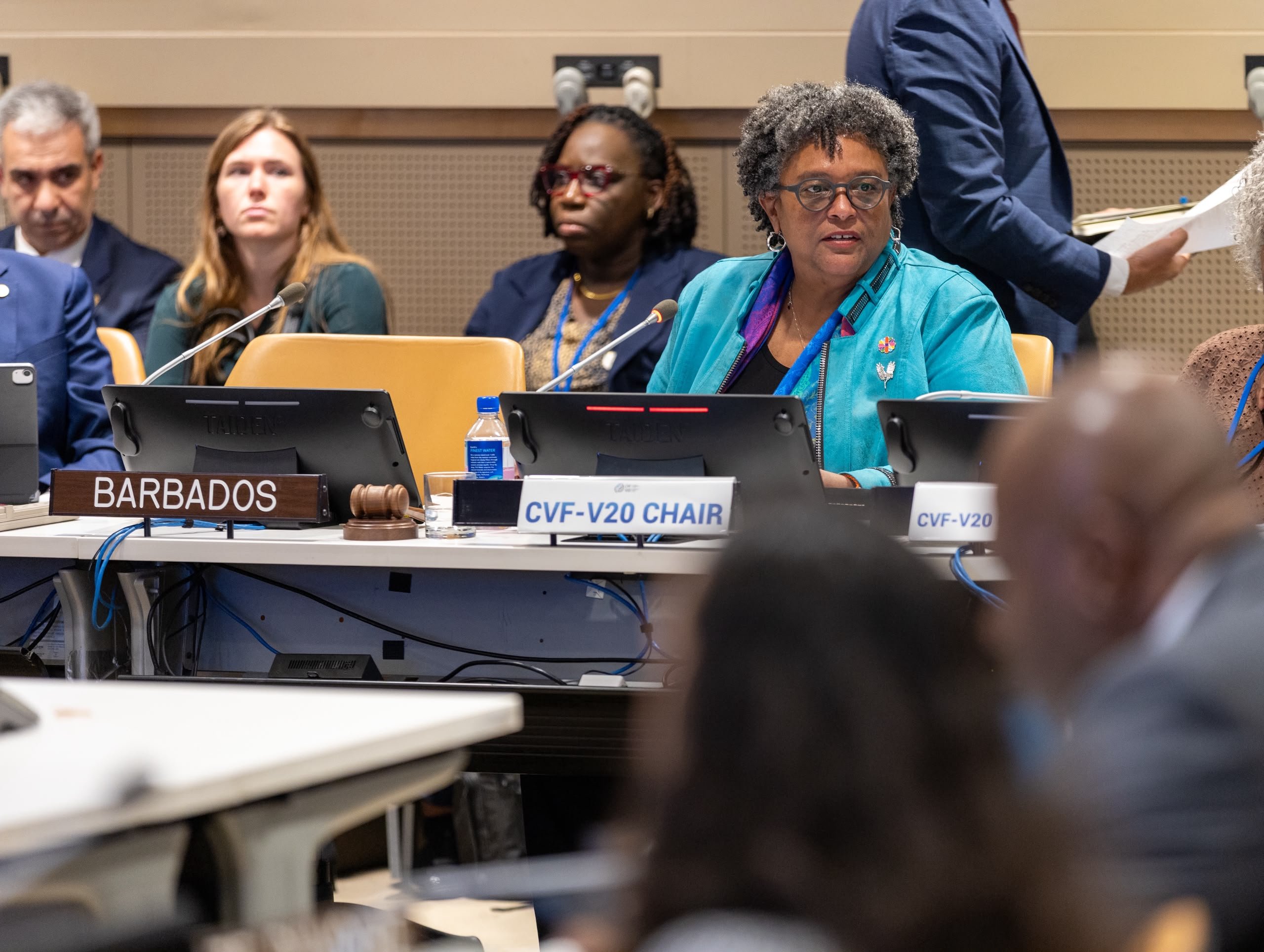
The CVF-V20, now representing 77 climate-vulnerable developing countries, is pushing for financial and institutional arrangements that can respond to shocks while also allowing countries to invest in long-term resilience.
At the New York meeting, leaders focused on initiatives including the Vulnerability to Viability (V2V) Compact and the Lifeline Fund, alongside deeper South-South cooperation.
For Nsengiyumva, however, resilience cannot become a substitute for cutting emissions. “We can build all the resilience in the world and still lose ground if emissions keep rising at their current speed,” he said.
In his view, the full implementation of the Kigali Amendment to the Montreal Protocol is one of the most practical ways countries can simultaneously address climate change and reduce vulnerabilities.
Rwanda is preparing to host the 38th Meeting of the Parties to the Montreal Protocol in Kigali from November 2–6, exactly a decade after the amendment was adopted.
The ultimate goal is to encourage universal ratification, faster implementation and the mobilization of partnerships and resources.
A global effort to reduce emissions must ensure that developing economies can obtain the technologies needed to grow because a more resilient farmer needs reliable markets and infrastructure yet a country preparing for climate shocks still needs access to affordable finance.
That’s why the CVF-V20 Leaders’ Declaration that introduces operationalization of the Lifeline Fund and a campaign for stronger representation in international decision-making comes in handy.
He argued that adaptation at the scale required cannot be financed on today’s terms and called for concessional finance and investment that match the urgency of climate vulnerability.
For example, Rwanda contributes only a tiny share of global greenhouse-gas emissions, yet its economy is already exposed to floods, droughts and changing rainfall patterns.
The World Bank says climate-related disasters are increasing the risks to growth, infrastructure and livelihoods across the globe. The issue is therefore not simply how to survive the next climate shock.
It is whether the international system can help vulnerable countries can keep developing while the climate they depend on becomes less predictable.
Visited 1 times, 1 visit(s) today