A good friend lost his mother recently. When that happens, it tends to make us remember our own losses, even if we aren’t ready for it.
Such was the case on this occasion: I was instantly transported back to my dad’s wake when I was fifteen years old. I sat in a section of the chapel reserved for family, which, at the time, I reckoned was so members of the “audience” could stare at us to make sure we were grieving adequately (my girlfriend and her family among them).
I was determined not to cry in front of people, but seeing my dad like that, I couldn’t hold back the tears. Fleeing from the shame, I left my seat and stood in a darkened doorway. I pressed my head against the cool, stained glass panel in the door and it opened suddenly. A priest stood in the doorway, wearing a surprised look as this off-balance youth toppled toward him, out into the gentle, California rain. He took my hand and shook it warmly, and for slightly too long, looking deep into my eyes with a concerned and understanding look.
”Peat moss,” he said.
He then led me into a large back room full of caskets, some open, others closed. There were large coffins with old people, and tiny ones holding babies, plain coffins and ridiculously ornate ones, black ones, and white ones. The priest led me to many of them, reciting names, ages, and sometimes what the occupants had died from. The whole time, I was trying to figure out what peat moss had to do with it.
When we had completed the tour, he put his hand on my shoulder and said: “I know you miss your dad, son. And I know tough guys aren’t supposed to cry. But your dad is asleep now and is in no pain. God has promised to wake him, and like all the others here, he will wake up. When we cry, we’re crying for ourselves … because we all miss our mothers, dads, friends, and children. We’re crying because we love them, and now they’re gone for a while. And that’s okay. It’s okay to cry for ourselves.”
I went back to my seat, thinking about what had just happened. I knew peat moss was soil, good soil. Was he saying that all of us will die — babies, middle-aged, or elderly — that every one of the people in the back room had families that missed them, that cried for them? I was not alone in my grief, no matter how much it felt like I was. All of humanity shared in it, and all of humanity would, in the end, turn into peat moss.
Still later, I thought more about his words. Was he saying that from the peat moss we would all become, brand new life would spring forth? Was he saying that our children and our children’s children would be extensions of the life we once lived, carrying on our thoughts and dreams, as well as our DNA?
My mom died a year later, causing a new grief within me and a new round of thinking about life, death, soil, and growth. I thought of the acorns and the oak trees that sent them plummeting into the winds of Autumn, praying they land on fine soil, the commonality of mankind, and our shared likes and differences. Why, of all God’s creations, are we the only ones to know that someday we will die? And so began my 50-year journey to try to understand the answer to this question. I read every book I could get a hold of and thought deeply about it for most of my life.
Death is cruel. Death is the enemy. We were not created to die. The Bible does hold the answer to this riddle of life. The priest at the funeral home was right. All our loved ones will wake up. But in the meantime, we suffer. We all do. We must stand with our friends during their sadness. Humans need each other.
About seven years ago, I stumbled across an old book at the bottom of an ancient box. It was the guest register from my dad’s wake. There was my girlfriend’s name, her family’s, and many others. Instantly, 50 years ago felt like yesterday. No sadness this time, just thanks for the people in my world and the wonderful life God and my family, past and present, have given me. The love and the friendship I have known. As I was about to close the book, I spotted a name in smallish letters near the end of the register:
Reverend Pete Maas, it said.
Oops.
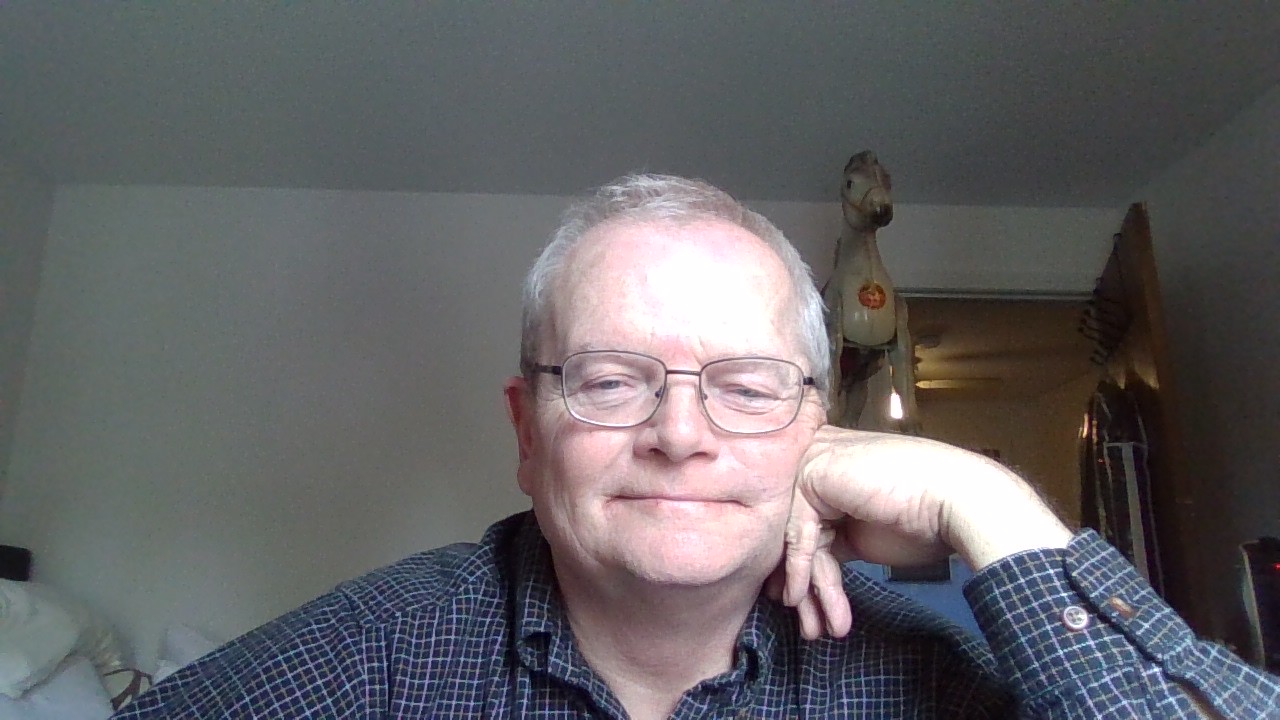
A native Vermonter, Paul’s first and “hardest ever” job was delivering newspapers during the ’60s in Burlington. Semi-retired now, and also in his 60s, he’s finally made it back home to Grafton, Vt., and back to newspapers after a brief stay in California (45 years), where he met his wife (and photographer) Angela. They have an adult daughter, Cassie, and two cats. He can be reached at pwein35@gmail.com.