Russia-linked sabotage puts Nato on alert as Europe takes bigger security role (representative image) Nato is stepping up intelligence-sharing in response to a series of sabotage and other incidents apparently linked to Russia, while the alliance remains prepared to deal with potential threats from Moscow, its top military commander said on Thursday.US Air Force General Alexus Grynkewich, Nato’s Supreme Allied Commander Europe, told Reuters that the recent incidents were concerning but said the alliance had the capabilities and mechanisms needed to manage the risks.The comments came after Denmark’s defence intelligence service warned that Russia was likely to intensify its hybrid warfare campaign against Western countries in the coming months.The assessment also said there was a “low but growing risk” that Moscow could launch a limited military attack against one or more Nato countries bordering Russia.
Nato says limited attack remains unlikely
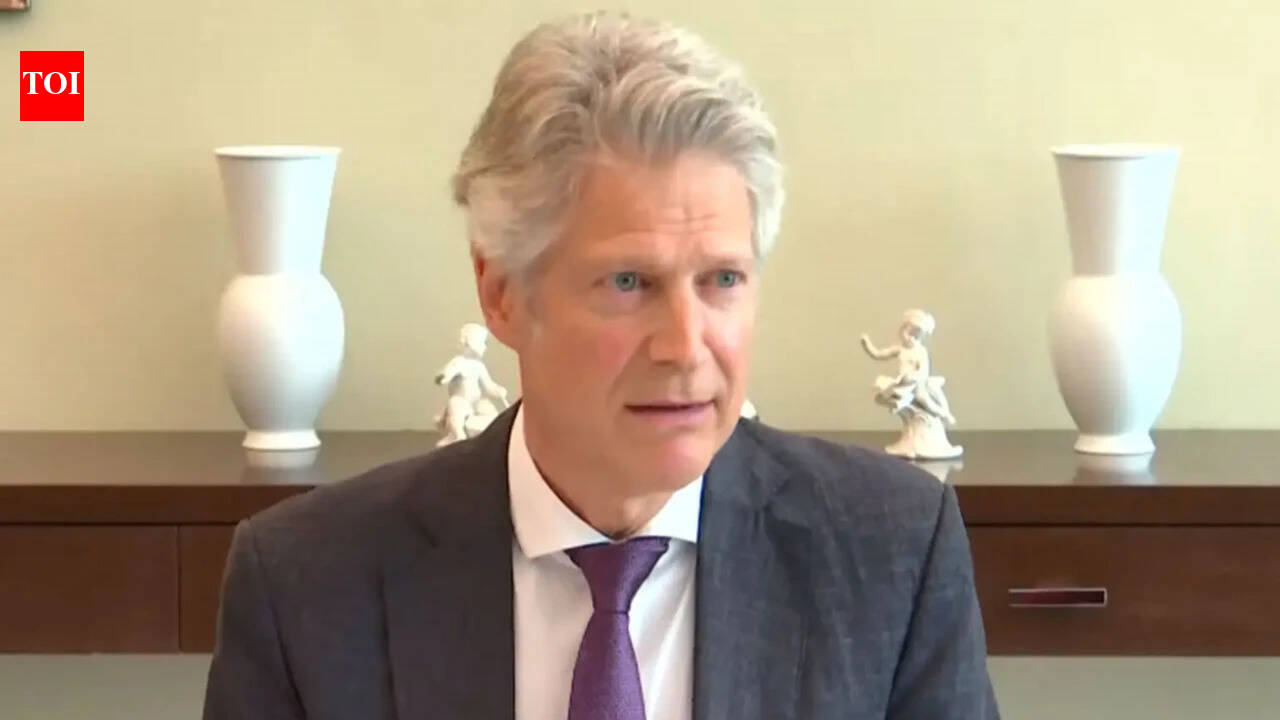
Grynkewich referred to several incidents in recent weeks, including an attempted drone attack at Germany’s Leipzig/Halle Airport and an incident involving a Russian ship that fired flares towards a Danish military helicopter.“It’s concerning,” Grynkewich told Reuters, but added that Nato should be “calm and confident” because it had the tools and mechanisms required to manage the risk.Asked about the possibility of a limited Russian attack on Nato territory, Grynkewich described such a development as “unlikely but something that we can’t rule out”.He also rejected suggestions that Russian President Vladimir Putin could see an opportunity to attack Nato because the US had used much of its stockpile of highly accurate long-range missiles during the war with Iran.“Absolutely not. He better not try it on my watch,” Grynkewich said, adding that Nato was well positioned to defend its territory.He said he was confident he had the necessary authorities to take action to deter aggression against the alliance if emerging threats were detected.Russia has repeatedly denied involvement in hybrid warfare or sabotage operations in Nato countries, as well as allegations that it is planning a confrontation with the alliance.
Denmark warns of more hybrid attacks
Denmark’s Defence Intelligence Service said Russia was likely to step up its hybrid campaign, which includes sabotage, cyberattacks, disinformation and other hostile activities below the level of conventional warfare.The agency said this could include destructive cyberattacks capable of disrupting critical societal functions and sabotage attacks carrying a high risk of casualties. It also said Russia had become “more willing to take risks”.The assessment said there was a “low but growing risk” of a limited Russian military attack against one or more Nato countries bordering Russia, potentially in the coming months.However, it said there were no indications that Russia would launch an outright invasion of one or more Nato countries.The agency said such actions could seek to divert European resources from supporting Ukraine and create divisions within Nato.Polish Prime Minister Donald Tusk also warned last week that Russia was planning hybrid strikes involving drones or rockets against European countries supporting Ukraine, including Poland. He said Moscow could present such attacks as accidental.Nato secretary-general Mark Rutte said the alliance had action plans to respond to sabotage and drone incidents. He said, “All the response options are there, and we will use whatever we need.”US ambassador to Nato Matthew Whitaker, however, cautioned against overreacting to the incidents. He said the current volume of activity did not indicate that a conflict was imminent and added, “We haven’t reached that threshold.”
European allies set to take greater role
The warnings come as Nato undergoes a broader reshuffle, with European countries taking greater responsibility for their own security in line with US President Donald Trump’s demands.A European commander is set to take over Nato’s Joint Force Command Norfolk, which oversees operations in the Arctic and northern Europe and the protection of transatlantic resupply routes. A European official will also take charge of Nato’s Joint Force Command in Naples.Grynkewich said the US would continue to provide “critical but more limited capabilities” as European allies assumed a greater role.He said there was “no predetermined outcome” regarding the number of US troops that would remain in Europe or which capabilities might be relocated. About 80,000 US troops are currently based on the continent.