Colorado air quality regulators approved new regulations last week to tamp down on methane emissions, which will help reduce air pollution from oil and gas operations.
Methane, a potent greenhouse gas and a major component of natural gas, is responsible for a huge share of global temperature rise from climate change.
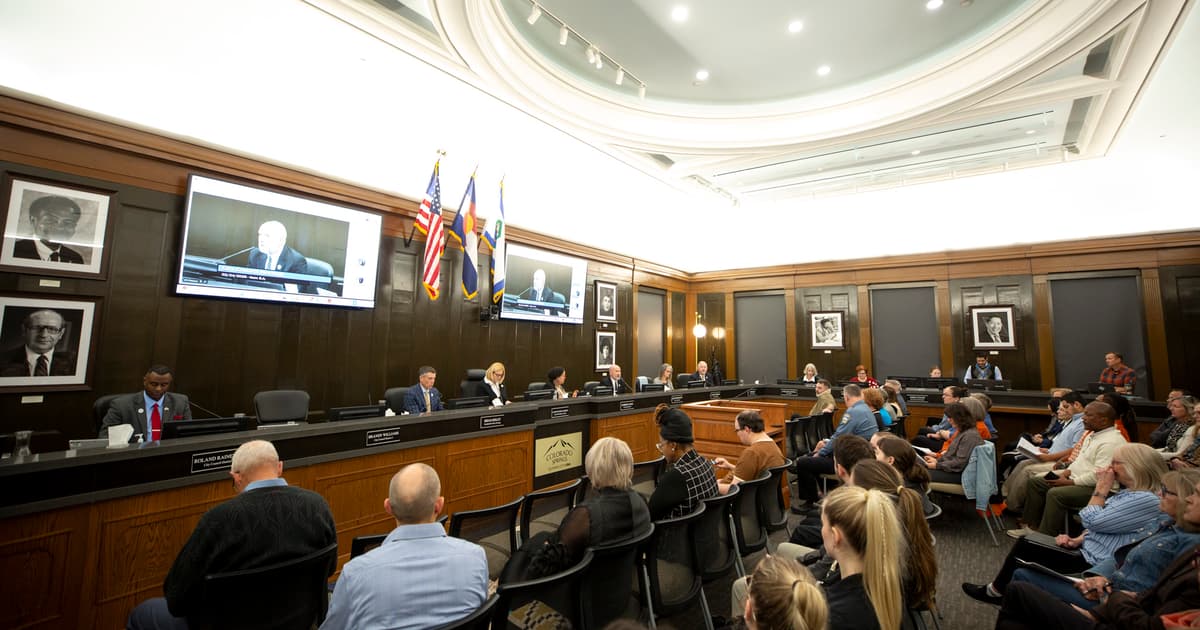
The Colorado Air Quality Control Commission voted unanimously on Friday to strengthen what’s called “Regulation 7,” which are state air quality rules that regulate emissions and pollutants from fossil fuel production.
While the oil and gas sector is responsible for a huge chunk of methane emissions nationwide, Colorado has led the country in passing state-level rules to cut methane. The state cut methane emissions from its oil and gas operations by around 70% between 2010 and 2017, according to a 2025 Environmental Defense Fund (EDF) analysis.
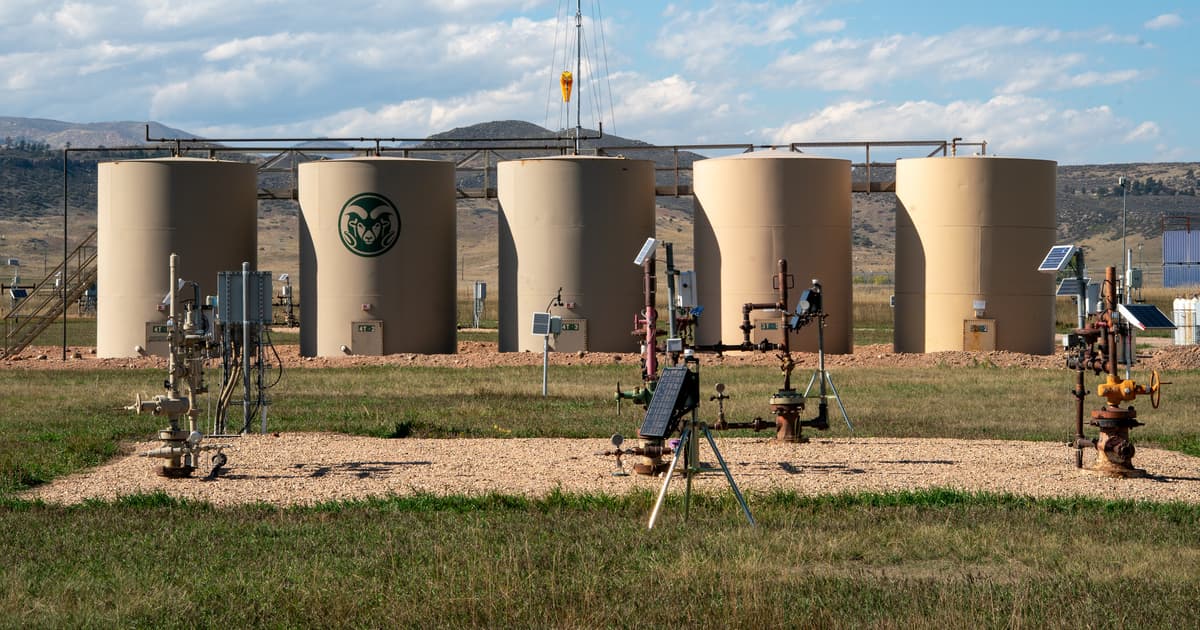
The revised rules set stricter standards on equipment commonly used by oil and gas companies to capture methane and other pollution. That equipment includes “enclosed combustion devices,” which burn off pollutants inside of a chamber, and “closed vent systems,” which capture gases or pollutants to prevent them from escaping into the atmosphere.
The rules now require more monitoring and maintenance of that equipment. For instance, oil and gas operators must now continuously monitor whether their enclosed combustion devices are working, and fix them if they have any emissions.
Kevin J. Beaty/DenveriteA plane flies over a Civitas Resources fracking site near Watkins, on Colorado’s eastern plains. May 4, 2024.
The new regulations are to comply with a 2024 Environmental Protection Agency (EPA) rule, which required states to adopt minimum standards for reducing methane pollution from different aspects of fossil fuel production.
After Friday’s vote, Colorado became the first state in the country to fully adopt the standards, which go beyond the minimum guidelines set by the EPA.
While the 2024 EPA methane standards are still standing, they could be rolled back by the Trump administration, which has proposed rescinding a host of regulations around air pollution, especially from power plants and the transportation sector.
“By committing these requirements to state policy, we ensure Colorado continues its environmental leadership and protects clean air for all Coloradans,” said Michael Ogletree, who directs state air quality programs at the Colorado Department of Public Health and Environment, in a statement.
Federal standards are still standing
Regulators kicked off the process of complying with the EPA rules in three stages, starting in February 2025. The first two stages dealt with phasing out equipment that emitted natural gas and requiring equipment to monitor leaks.
“This particular proposal will not provide as many direct emissions reductions as the previous two rulemakings,” said Jeremy Schuster, with the state’s Air Pollution Control Division, during a meeting last week.
“These are going to be particularly focused around capturing and containing emissions and really ensuring that emissions control equipment is operating effectively,” he added.
An analysis from the EDF found that implementing the minimum EPA rules in Colorado will cut around 30,000 metric tons of methane from leaking into the atmosphere through 2038. That’s the same as taking 500,000 fossil fuel-powered cars off the road, according to the EDF.
“At a time when federal methane protections are under threat, Colorado is showing that states can move forward, cut pollution and protect communities with strong, evidence-based rules,” said Nini Gu, an EDF manager, in a statement.
Oil and gas companies helped shape the new rules through public comments and presentations, as part of what’s called a “Joint Industry Working Group.” In a statement, they said they were committed to reducing emissions and that Colorado has already been a nationwide leader on cutting pollution.
“Colorado operators continue to lead the way in reducing emissions, protecting public health and the environment, and producing the energy Coloradans rely on,” said Lynn Granger, CEO of the Colorado Oil and Gas Association, and Carly West, executive director for the American Petroleum Institute Colorado, in a statement.
The new regulations will also reduce pollution that contributes to ozone, which pollutes the air across the Front Range. The state faced a terrible ozone season this year, which can trigger a cascade of health impacts.
“We must also acknowledge we face a severe, homegrown air quality crisis from ozone pollution,” said Kirsten Schatz, with the public interest advocacy group CoPIRG Foundation.
“Especially when better, cleaner technology is available, we should no longer tolerate preventable releases of harmful pollution into our air,” she said.
By January, state regulators will submit a plan to the EPA detailing how they’re meeting the 2024 federal methane guidelines.