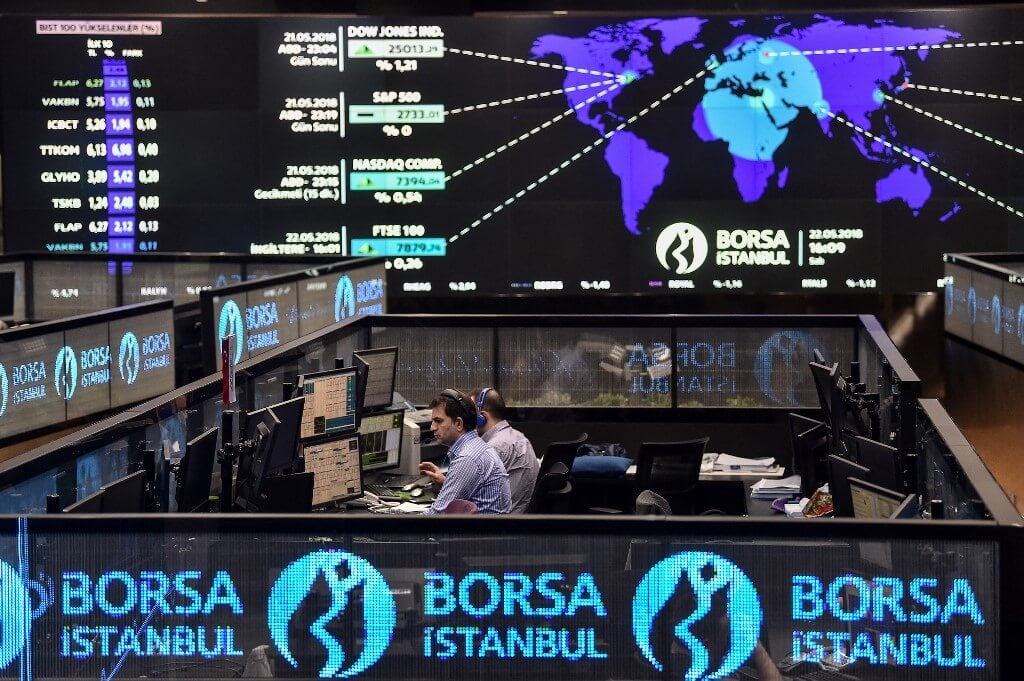
Some investors withdrew money after receiving advance warning that Turkey would freeze trading in 131 funds on September 17, leaving others to bear the losses, opposition lawmaker Deniz Yavuzyılmaz alleged Monday.
The main opposition New Party lawmaker did not identify the alleged recipients of the warning or publish transaction records supporting his claim.
“You were defrauded by those who knew about the September 17 operation in advance and got out of the system,” Yavuzyılmaz wrote on X.
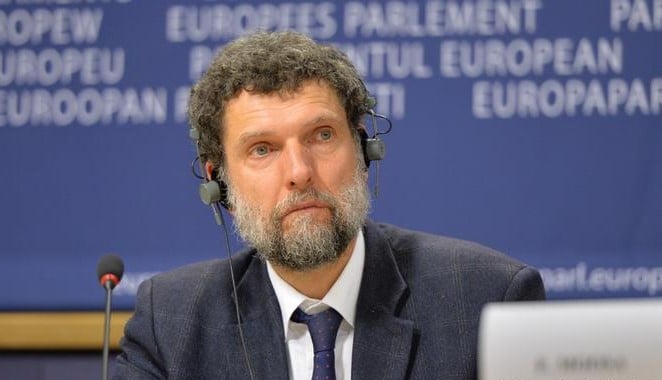
New Party lawmaker Deniz Yavuzyılmaz
He accused the ruling Justice and Development Party (AKP) of creating the conditions for the losses and said the New Party would seek to recover money from those who profited if it came to power.
Investor-level records showing purchases and redemptions before the freeze would be needed to determine who withdrew, when they did so and whether their actions followed inside information.
Yavuzyılmaz put the number of affected investors at 511,000, but published estimates differ. Reuters cited about 353,000 investors, while the Financial Times found more than 500,000 accounts belonging to about 300,000 investors.
Turkey’s Capital Markets Board (SPK) did not give a consolidated investor total.
Questions over a fund opened to 43,000 investors
Yavuzyılmaz linked his allegation to questions about Tera Portföy’s First Hedge Fund (TLY), which had produced large returns before it was opened to a larger pool of investors through Turkey’s Electronic Fund Trading Platform (TEFAS).
The fund had 11 investors on January 2, 2025, company records show. Its investor count reached 43,228 by the end of that year after the SPK approved trading on TEFAS on August 6, with the change taking effect on August 12.
The fund ended 2025 with 35.3 billion lira ($723 million) and a reported annual return of 4,233.6 percent, company records show.
Financial analyst Kerim Rota said the fund’s unit value had increased by a factor of 524 over about four-and-a-half years while it was available to a small group. He called for disclosure of the original investors, their entry prices and whether they withdrew after the fund reached the larger market.
Government knew of manipulation concerns in 2025
Criticism has centered on the time between the government’s first public warning and the September intervention.
Treasury and Finance Minister Mehmet Şimşek said on November 4, 2025, that the government knew manipulation was occurring through some funds and would close regulatory gaps.
The SPK later confirmed that it had observed some funds causing share price movements that could not be explained by economic conditions or company finances in the last quarter of 2025.
Turkey’s Financial Stability Committee (FİK) discussed the matter on December 2, and the SPK sent draft rules to the industry for comment on February 13.
The regulator changed a valuation rule in July and published its broader fund rules on August 28, more than 10 months after Şimşek’s statement and less than three weeks before funds began missing repayment deadlines.
The SPK said the period was used to consult market institutions, companies and investors. Rota and opposition politicians argue that the long process allowed the funds and the risks tied to them to grow before the rules forced managers to unwind positions in shares that were difficult to sell.
Index provider MSCI had warned in June about repeated signs of possible coordinated trading involving Turkish funds and companies with few shares available to the public.
Emre Akçakmak, a portfolio adviser at East Capital, told Financial Times that the growth of the fund structures had long ranked among the market’s clearest risks, but that the decisive regulatory response came only after MSCI’s warning.
Turkey will remain vulnerable to sharp market shocks without stronger oversight, Erik Meyersson, chief emerging markets strategist at Swedish bank SEB, told The Wall Street Journal.
Opposition demands a review of regulators
Rota asked why the government waited more than 10 months, whether political barriers delayed action and whether current and former SPK officials would be investigated for possible negligence.
He also called for investigations into bank licenses granted to business groups involved in the case, any steps taken by the Turkey Wealth Fund (TVF) to support share prices and the potential cost to taxpayers if a state-owned bank buys Katılımevim and Birevim. Both companies offer interest-free payment plans for home and vehicle purchases and have links to Pusula.
One of Rota’s questions has since been partly answered. Prosecutors on Monday restricted transactions involving the assets of executives and officials tied to nine companies and extended the measure to board members, authorized signatories and their close relatives.
New Party lawmaker Sezgin Tanrıkulu and Felicity Party (SP) leader Mahmut Arıkan accused the government of allowing the assets managed by the 131 funds to grow from 297 billion lira in November 2025 to 822 billion lira in September.
Both described the 525 billion lira difference, about $10.8 billion at current exchange rates, as a loss caused by delayed action. The difference measures growth in assets under management, however, and does not by itself establish the amount investors lost.
The final losses will depend on the value of the funds’ assets and the prices obtained during liquidation.
Arıkan argued that investors had used products authorized by the state and should not be blamed for trusting them. “Everything that was done was done with the state’s approval,” he said.
He called for the owners who benefited from the funds and the route taken by the money to be disclosed. He also contrasted the months taken to complete the fund rules with the speed of court orders blocking 246 social media accounts accused of spreading posts that could cause fear among investors.
Key Party (A Parti) leader Yavuz Ağıralioğlu warned against using taxpayer money to cover private losses and said taxpayers who had never invested in the stock market should not pay for regulatory failure.
The government should disclose what prevented action after Şimşek’s 2025 warning, and officials who failed to carry out their oversight duties should bear the cost, Ağıralioğlu argued.
Democracy and Progress Party (DEVA) leader Ali Babacan called for illicit gains and money transferred abroad to be recovered and paid to investors. He also urged officials who failed in their duties to resign without waiting for a criminal or administrative finding.
The liquidation was a necessary first step to stop the trouble from spreading, but it would not restore confidence unless investigators identified those who profited, helped them or ignored the warning signs, Babacan said.