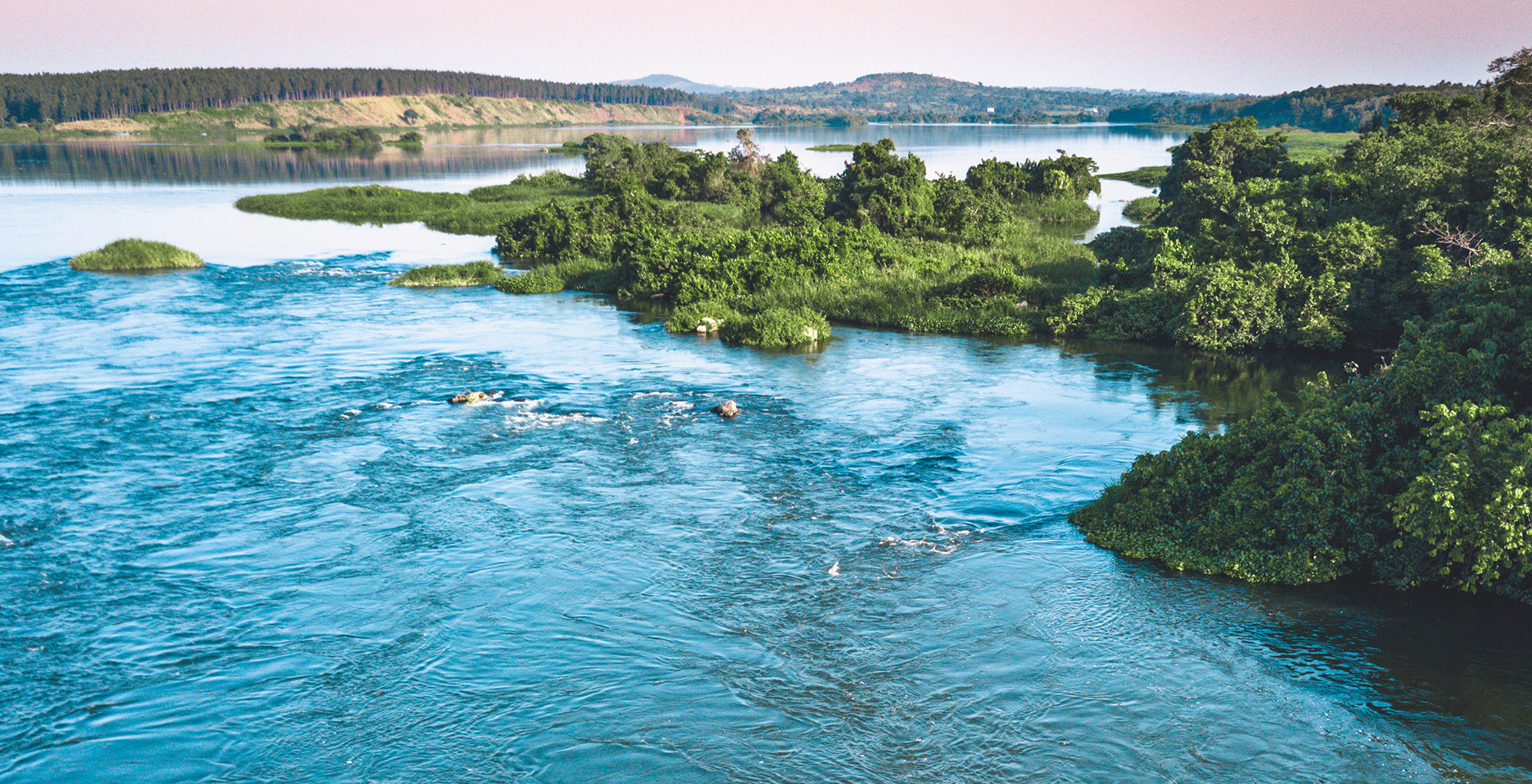
Photo shows Lake Victoria of Uganda (Photo by Coutesy)
JUBA — South Sudan has raised the alarm over the possibility of severe flooding after Uganda warned of rising water levels in Lake Victoria and increased water flows downstream through the River Nile.
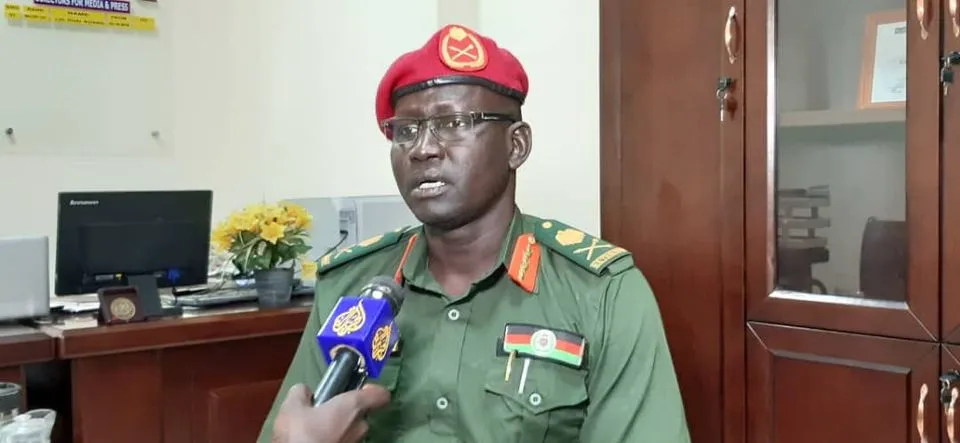
Speaking at a press conference on Monday, Minister of Water Resources and Irrigation James Mawich Makuach announced that South Sudan received official notification from Uganda’s Ministry of Water and Environment on September 15, 2026.
This warning, issued under the Nile Basin Initiative’s technical cooperation framework, anticipates high water levels in Lake Victoria.
The affected areas include Eastern Equatoria, Warrap, Upper Nile, Jonglei, Central Equatoria, Unity, and Northern Bahr el Ghazal states, as well as the Western Bahr el Ghazal, Lakes State, Abyei, Pibor, and Ruweng Administrative Areas.
“We received an important notification of anticipated high water level in Lake Victoria from the Ministry of Water and Environment, Republic of Uganda, in its letter dated 15 September 2026,” Makuach said.
He stated that water levels in Lake Victoria are expected to reach record highs, necessitating increased water releases downstream into the River Nile.
“Hydrological simulations by Uganda’s Ministry of Water and Environment indicate that increased water releases could result in severe riverine flooding in South Sudan, particularly affecting Juba City and surrounding low-lying areas,” he explained.
He warned that the anticipated flooding could damage property and infrastructure and disrupt livelihoods.
“The heavy water releases downstream will lead to severe riverine flooding in South Sudan, significantly threatening Juba City and surrounding lowland areas, with potential damage to property, infrastructure, and livelihoods,” James said.
He noted that current hydrological measurements along the Nile from Nimule to Renk, as well as from Nasir to Bentiu, show water levels below flood-alert thresholds.
“Hydrological measurements along the Nile River from Nimule to Renk and Nasir to Bentiu currently show decreasing water data below flood alert levels. However, this will change rapidly as high flows arrive,” James cautioned.
He also mentioned that the country is already experiencing the effects of reduced rainfall between June and September 2026, which has contributed to drought conditions affecting livestock, agriculture, and access to water in several areas.
He called for early preparedness measures, including strengthening early-warning and water-monitoring systems and flood-control infrastructure such as dykes.
He revealed that the ministry will present a memo on the anticipated water flows to the National Council of Ministers through the Economic Cluster for consideration and necessary decisions.
“The Ministry of Water Resources and Irrigation will continue monitoring the situation in coordination with Uganda’s Ministry of Water and Environment and provide timely updates on anticipated water flows downstream,” he concluded.