The War on Poverty is proof that good intentions don’t produce good results.
In 1964, President Lyndon B. Johnson used his first State of the Union address to declare an “unconditional war on poverty in America.” He proposed a host of remedies to cure it. They included a “broader food stamps program,” higher minimum wage and revamping unemployment insurance. He wanted new education funding and “more housing for our poor.” He wanted more mass transit, libraries and hospitals. He called for “hospital insurance for our older citizens.” It would be paid for “by every worker and his employer under Social Security, contributing no more than $1 a month during the employee’s working career.”
He said the goal “is not only to relieve the symptom of poverty, but to cure it and, above all, to prevent it.”
If you follow politics, many of Mr. Johnson’s proposals undoubtedly sound familiar. The government enacted many of them. Most notably, in 1965, Mr. Johnson signed Medicare and Medicaid into law. In 1972, Congress even expanded Medicare. During his time in office, George W. Bush approved the creation of Medicare Advantage Plans and Medicare Part D.
Medicaid expanded greatly as well. In 1997, Congress passed the Children’s Health Insurance Program. Obamacare expanded Medicaid eligibility to include healthy adults with incomes up to 138 percent of the federal poverty line. Most states have opted in to this expansion.
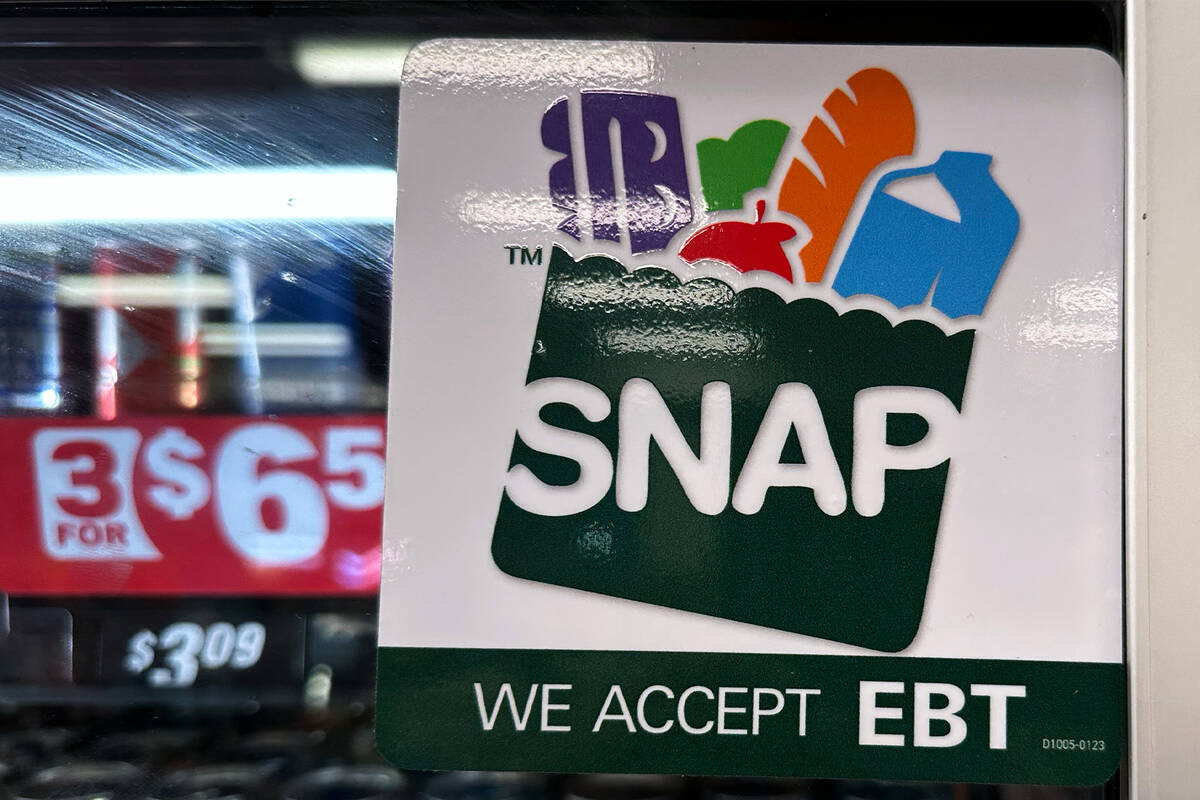
In 1964, the minimum wage for some workers was $1 an hour. For fast-food workers in California, it’s now $20 an hour. Over the decades, the federal government has spent trillions on food stamps, education, housing and transportation.
Yet, poverty hasn’t been vanquished. In 1964, the federal poverty rate was 19 percent. That was high, but it was already falling. It was 22.2 percent in 1960 and 21 percent in 1962. By 1968, it was under 13 percent. Even if you want to credit the War on Poverty for that decrease, you need to explain what happened next. Despite trillions in spending over the next few decades, the federal poverty rate has generally hovered between 11 percent and 15 percent. It did fall to 10.2 percent in 2025, but not because President Donald Trump expanded federal handouts.
The failure of Mr. Johnson’s many initiatives and programs to cure poverty shows his fundamental assumption was wrong. He viewed poverty “as a national problem, requiring improved national organization and support.”
Sixty-two years and trillions of dollars later, it should be obvious that poverty is the result of poor individual choices, not a national failure. Subsidizing poverty has not cured it but entrenched it.