Your support helps us to tell the story
From reproductive rights to climate change to Big Tech, The Independent is on the ground when the story is developing. Whether it’s investigating the financials of Elon Musk’s pro-Trump PAC or producing our latest documentary, ‘The A Word’, which shines a light on the American women fighting for reproductive rights, we know how important it is to parse out the facts from the messaging.
At such a critical moment in US history, we need reporters on the ground. Your donation allows us to keep sending journalists to speak to both sides of the story.
The Independent is trusted by Americans across the entire political spectrum. And unlike many other quality news outlets, we choose not to lock Americans out of our reporting and analysis with paywalls. We believe quality journalism should be available to everyone, paid for by those who can afford it.
Your support makes all the difference.Read more
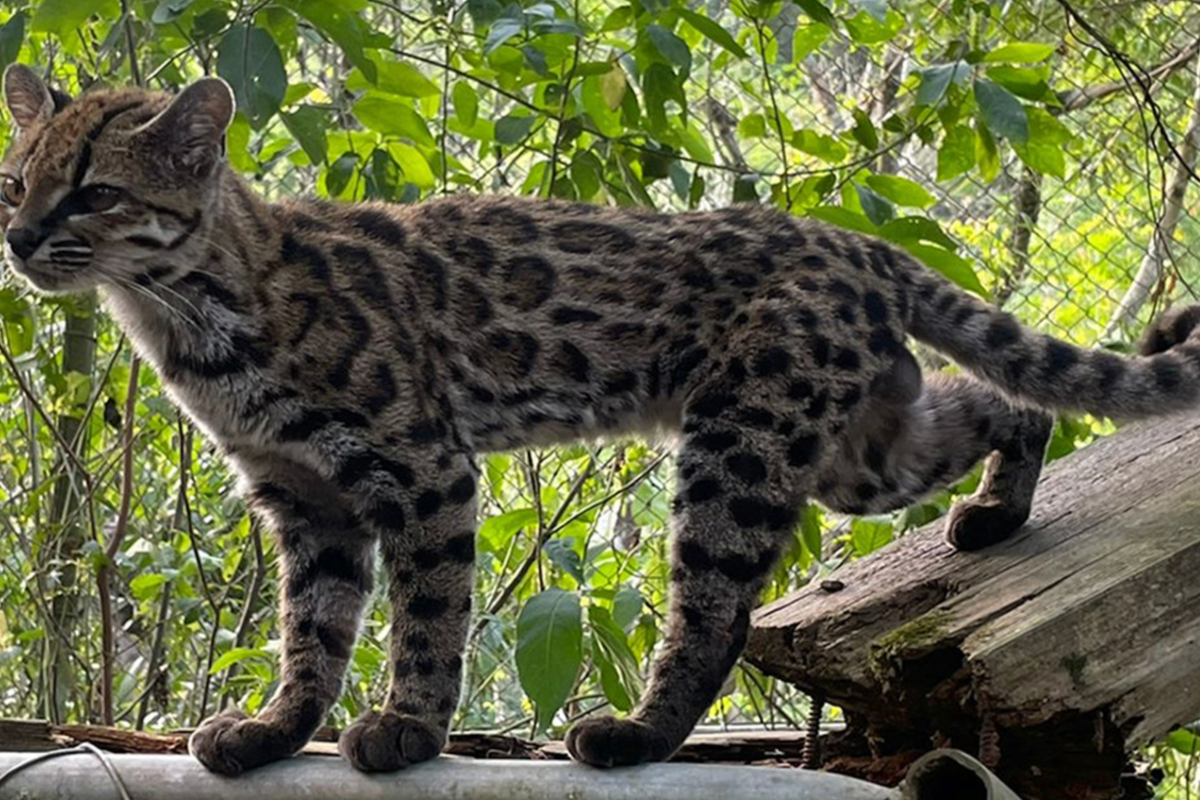
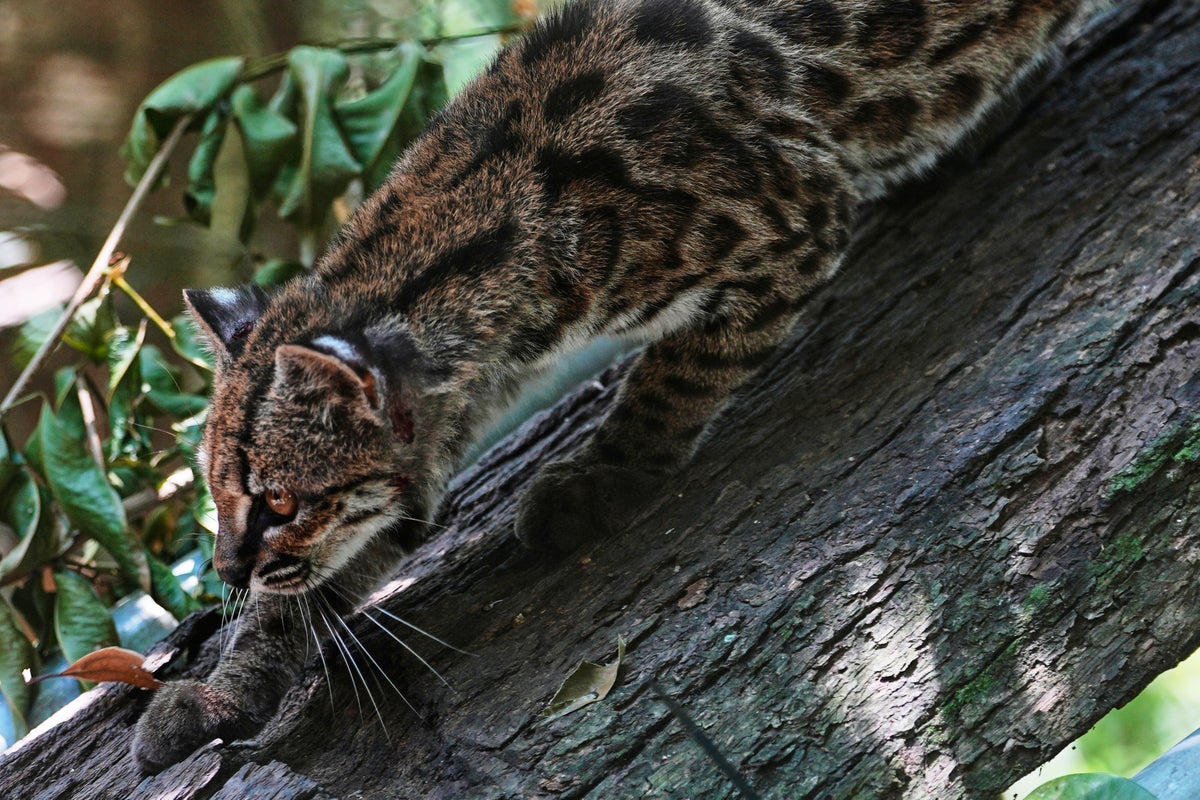
A tiny wild cat hidden away in the cloud forests of Bolivia has become an unlikely tourist attraction, drawing a stream of visitors hoping for a glimpse of the animal that scientists have identified as a brand new species.
There is just one problem: Tigrino, as he has been affectionately dubbed, doesn’t like the attention.
The small, spotted feline with large, leopardlike spots is easily stressed, so caretakers at the wildlife sanctuary near La Paz keep him out of public view, turning away the crowds eager for a closer look. When The Associated Press visited Sunday, Tigrino cautiously emerged from his shelter, sniffed the air and paced around for a few minutes before slipping back into the foliage.
Tigrino belongs to Leopardus tilcayo, the first living wild cat species described by scientists in more than a century. At just 18 inches (46 centimeters) from head to the base of his tail and 3 pounds (1.4 kilograms), he is smaller than the average house cat.
The discovery published Thursday in the journal Current Biology set off a flurry of excitement on social media. Visitors from across Bolivia and beyond have flocked to the Senda Verde Wildlife Sanctuary, where Tigrino has lived since 2017, when a family brought him there after trying unsuccessfully to make a house cat of him.
“Tigrino has become, in just a few days, an ambassador for conservation,” said sanctuary co-founder Marcelo Levy, adding that the new species designation has helped raise awareness about the need to protect wild cats and their habitat in Bolivia’s tropical forests.
“He’s such a tiny animal, and he has become something so important,” Levy said.