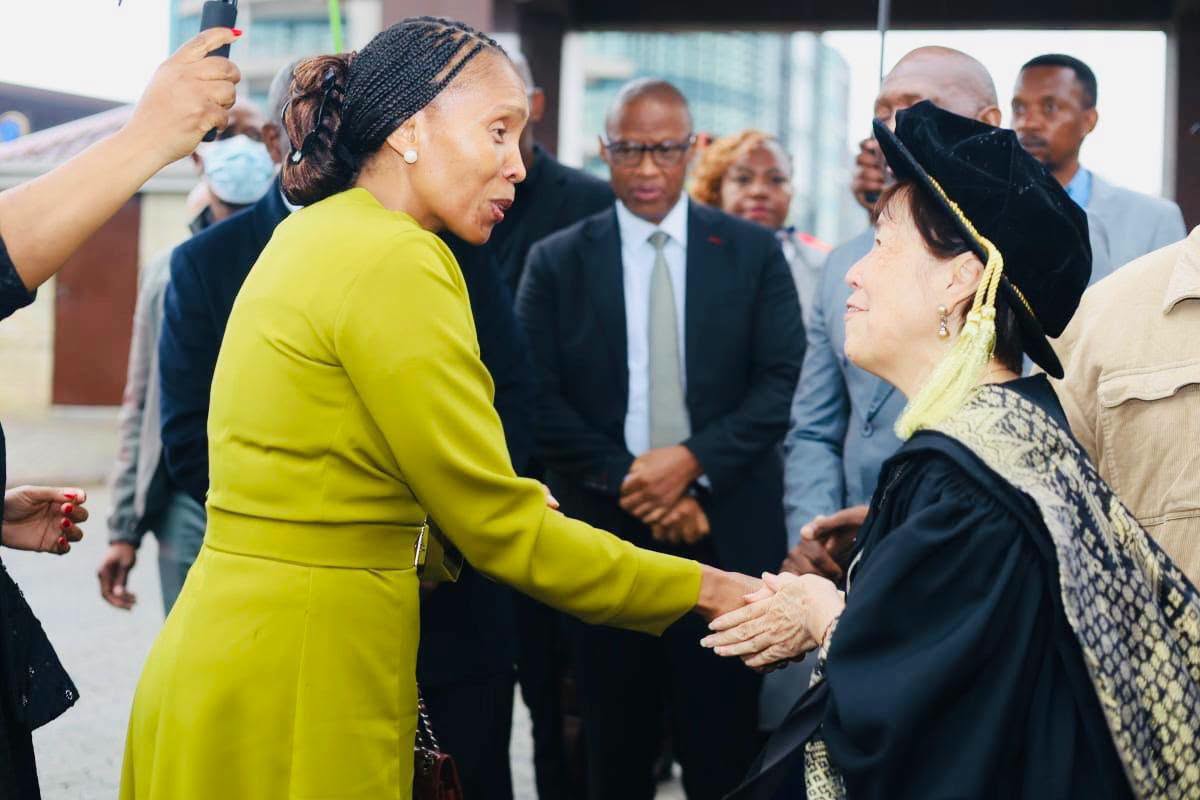
Limkokwing University of Creative Technology has held its 16th graduation ceremony, awarding qualifications to 1,120 graduates from various faculties under the theme “Igniting Information, Transforming Education.” The ceremony brought together university leaders, government officials, graduates, families and other members of the community to mark an important milestone for students completing their studies. The occasion also provided an opportunity to reflect on the role of education in preparing young people for a changing economy and society. As Lesotho continues to focus on human capital development, the graduation highlighted the need for graduates to apply their knowledge beyond the classroom. Speakers at the ceremony encouraged the graduates to combine their qualifications with practical skills, innovation, ethical leadership and a willingness to adapt.
Her Majesty the Queen described the graduation as a celebration of perseverance, gratitude and renewed responsibility for the graduates. She emphasised that Lesotho’s development depends not only on its natural resources and economic opportunities, but also on people who possess the skills and values needed to contribute meaningfully to society. She encouraged the graduates to view their qualifications as a starting point rather than the end of their educational journey. According to her message, education should help people think critically, solve problems, create value and lead responsibly. The graduates were therefore reminded that their achievements come with an opportunity to use their knowledge to make a positive contribution to their communities and the country.
The Queen also stressed that education extends beyond obtaining certificates and academic qualifications. Graduates enter a world where employers and communities increasingly require people who can analyse problems, develop solutions and respond to changing circumstances. The ability to create value and take responsibility can help graduates translate their university education into meaningful work and wider social contributions. She encouraged the graduating class to remain open to learning even after leaving university because professional and technological environments continue to change. This message placed lifelong learning and personal development alongside formal qualifications as important parts of a successful career.
Technology and artificial intelligence were also central to the message delivered at the graduation ceremony. Her Majesty noted that artificial intelligence is increasingly influencing fields such as design, tourism, architecture, communications and information technology. These changes are creating new opportunities while also requiring graduates to develop the ability to work with emerging technologies. She encouraged the graduates to remain curious and embrace change rather than allowing uncertainty or failure to discourage them. For graduates entering technology-driven workplaces, the ability to continue learning and adapt their skills could become increasingly important as industries evolve.
The Queen further encouraged the graduates to persevere when they encounter difficulties and to remember the people who supported them along their journey. Graduation marks a significant personal achievement, but it also reflects the support provided by families, educators, friends and other members of the community. She urged the graduates to recognise that support and extend similar assistance to others as they progress in their careers. This message linked personal success with responsibility towards other people and society. It also encouraged the graduating class to view their achievements as an opportunity to contribute to the development of others rather than focusing only on individual advancement.
Minister of Education and Training Honourable Ntoi Rapapa also challenged the graduates to become catalysts for positive change in Lesotho. He encouraged them to work across different fields and use the knowledge and skills acquired at university to address challenges facing the country. His message placed emphasis on the practical application of education and the need for graduates to connect their academic training with national development priorities. Rather than limiting their contribution to specific professions, the graduates were encouraged to identify opportunities to apply their expertise in different areas. This approach recognises the potential role of skilled young professionals in supporting innovation, productivity and problem-solving across Lesotho’s economy.
Honourable Rapapa also pointed to the contribution already being made by Limkokwing graduates in government ministries and other workplaces. Many graduates have entered professions where technological knowledge is increasingly important, allowing them to bring digital and technical skills into their organisations. Their presence across different workplaces demonstrates the potential contribution of university graduates to public services and the wider economy. The Minister’s remarks also highlighted the importance of ensuring that graduates can transition effectively from university into employment. Academic training can provide a foundation, but practical workplace experience remains important for helping young people understand professional environments and apply their knowledge.
The Minister therefore appealed to companies, parastatals and development partners to expand internship opportunities for university students. Workplace exposure can give students practical experience while allowing them to develop professional skills that may not be fully acquired through classroom learning. Internships can also help students understand workplace expectations, build professional networks and gain experience using the tools and systems relevant to their chosen fields. For employers, structured internship programmes can provide an opportunity to identify and develop emerging talent. Expanding these opportunities could strengthen the connection between higher education and the labour market in Lesotho.
Honourable Rapapa also challenged the Limkokwing University council and management to work towards establishing a permanent campus by June 2028. He pledged government support where possible to help the institution work towards this goal. A permanent campus could provide a more established physical environment for teaching, learning and student activities while supporting the university’s long-term presence in Lesotho. The proposal also reflects wider discussions about strengthening higher education infrastructure and creating institutions that can support the country’s skills development needs. Achieving the proposed target would require cooperation between the university, government and other relevant stakeholders.
The graduation ceremony also carries significance as Lesotho approaches its 60th anniversary of independence. The milestone provides an opportunity to reflect on the country’s progress while considering the skills and capabilities needed for its next stage of development. Speakers at the ceremony placed human capital, technology, practical experience and education at the centre of this conversation. The graduation of 1,120 students therefore represents more than an academic milestone for the individuals receiving qualifications. It also highlights the potential contribution of a new group of skilled professionals to Lesotho’s workplaces, communities and institutions.
The 16th Limkokwing University graduation has reinforced the importance of education that prepares graduates for both current and emerging challenges. The messages delivered by Her Majesty the Queen and Minister Ntoi Rapapa highlighted the need for graduates to combine academic qualifications with critical thinking, practical skills, innovation, perseverance and responsible leadership. The emphasis on artificial intelligence and technological change also reflects the changing demands facing professionals across sectors. As Lesotho approaches six decades of independence, strengthening human capital and creating pathways from education to employment remain important parts of national development. The 1,120 graduates now have an opportunity to use their education, skills and experience to contribute to Lesotho’s future while continuing to learn and adapt throughout their careers.
Lesotho News WhatsApp Channel | Lesotho News
Join ‘Lesotho News’ WhatsApp Channel
Get breaking Lesotho news — delivered directly to your WhatsApp.
CLICK HERE TO JOIN