Your support helps us to tell the story
From reproductive rights to climate change to Big Tech, The Independent is on the ground when the story is developing. Whether it’s investigating the financials of Elon Musk’s pro-Trump PAC or producing our latest documentary, ‘The A Word’, which shines a light on the American women fighting for reproductive rights, we know how important it is to parse out the facts from the messaging.
At such a critical moment in US history, we need reporters on the ground. Your donation allows us to keep sending journalists to speak to both sides of the story.
The Independent is trusted by Americans across the entire political spectrum. And unlike many other quality news outlets, we choose not to lock Americans out of our reporting and analysis with paywalls. We believe quality journalism should be available to everyone, paid for by those who can afford it.
Your support makes all the difference.Read more
An old building in Lockland, Ohio, bustles every Friday afternoon, the sound of hammering old bicycle tires mixing with laughter and conversation that switches from English to the West African language Pular.
The shop, called Bikes and Stuff, offers free bikes to anyone willing to help refurbish one, and it has become the center of life for the West African community here.
Three years ago, thousands of migrants, most of them from Mauritania, arrived in this small town on the outskirts of Cincinnati — so suddenly that it seemed to some it happened overnight.
They arrived as people from more countries than ever before entered the U.S. through the southern border, an unprecedented surge of 4.7 million border crossings from October 2018 to July 2025, according to government data exclusively obtained and analyzed by The Associated Press. It marked a broader trend of migrants from more than 150 countries turning up at the border during that time, a sharp departure from previous years when nearly all were from Mexico or Central America.
These migrants are asking the United States to grant them asylum. Most fled their country because, they say, they were persecuted for opposing the authoritarian government.
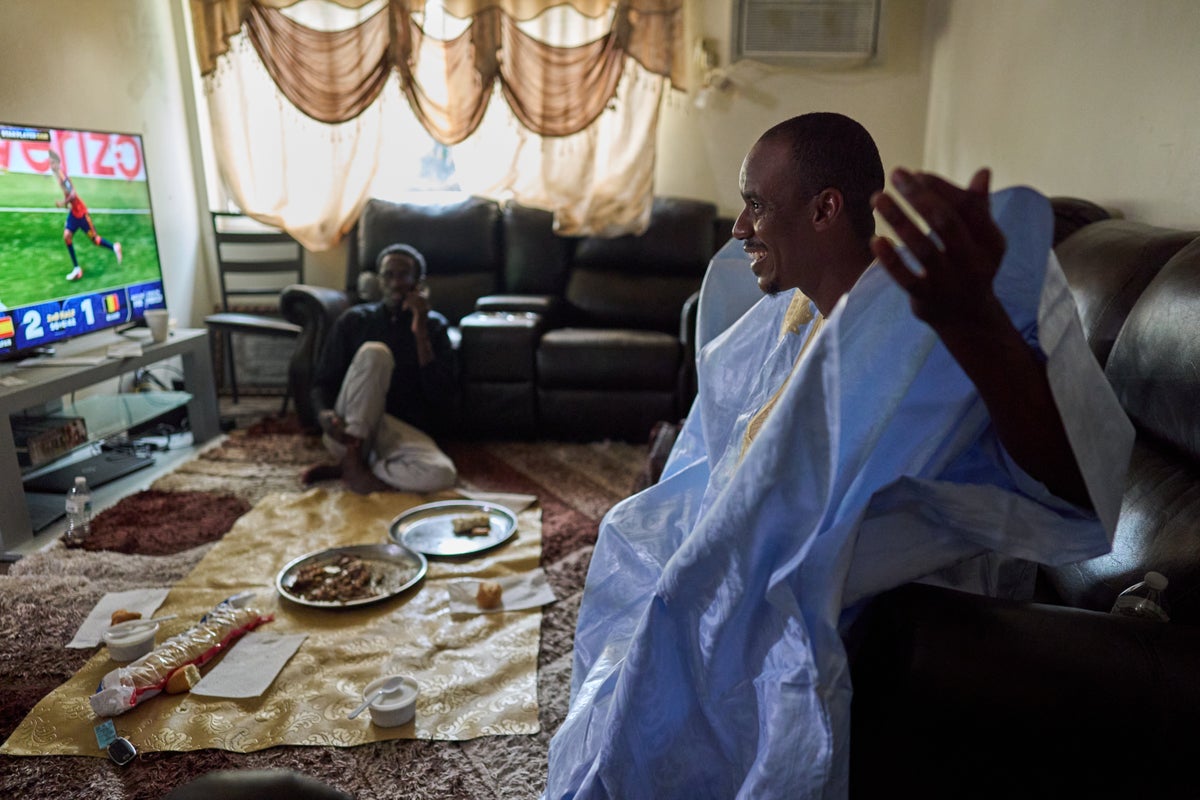
Samba Diallo, like most of these migrants, arrived with nothing but the clothes on his back. They crammed into apartments and relied on a local food bank. But most don’t visit the food pantry anymore. In the years since they arrived, most have gotten work permits and jobs, they’ve bought cars, settled into apartments, and built a community here — including some local Americans who help them navigate the U.S. immigration bureaucracy.
Diallo works 10 hours a day, six days a week, at a meatpacking plant, and saved up his money to buy a car.
Khalidou Sy, another man who arrived from Mauritania at the same time, was able to buy a house on a leafy street.
Vincent Wilson, who runs Bikes and Stuff, now routinely goes with them to their check-ins with Immigration and Customs Enforcement. He holds their car keys, in case they are detained.
_____
This is a documentary photo story curated by AP photo editors.