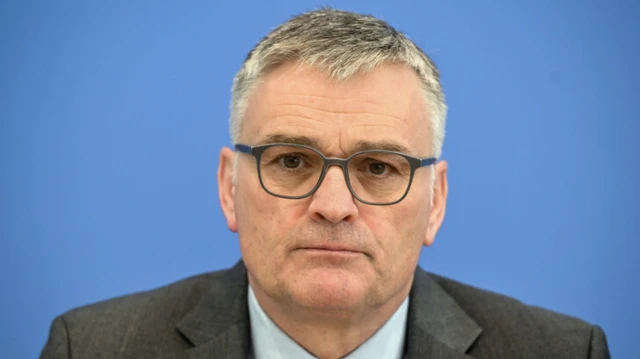
Turkish prosecutors on Wednesday opened an investigation into İbrahim Mustafa Turhan, a former head of Borsa İstanbul, over a social media warning he issued as the country’s main stock index fell more than 6 percent and an automatic safety system halted trading.
The İstanbul Chief Public Prosecutor’s Office announced that Turhan was under investigation over posts that it alleged could directly or indirectly cause “fear and panic” among investors in stocks and other financial instruments.
The statement did not say Turhan’s warning contained false information, identify the law he was suspected of breaking or claim that he had traded securities.
Prosecutors did not announce a detention order.
Turhan wrote that a problem at one institution or a few market participants could spread through lost trust, investors rushing to withdraw money, cash shortages and forced asset sales.
He called that chain a “systemic financial risk,” meaning damage that starts at one company and then spreads across the financial system.
“The main thing is to put preventive measures into effect without delay,” Turhan wrote, adding an Ottoman phrase that refers to action taken only after the damage has been done.
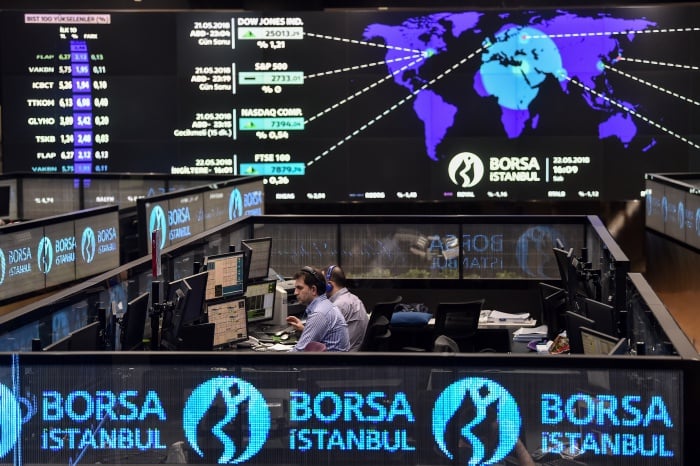
The BIST 100 stood at 12,972.74 points in late afternoon trading, down 6.62 percent from Tuesday’s close.
The BIST 100 is Turkey’s main stock market benchmark and measures share prices at 100 of the country’s largest and most traded listed companies.
The banking index was down 7.8 percent.
Borsa İstanbul (BIST) activated an index circuit breaker at 4:04 p.m. after the selloff crossed the exchange’s trigger level, and trading resumed about 20 minutes later.
A circuit breaker is an automatic pause used when prices move too fast.
It does not reverse losses but gives investors time to review information and prevents a rush of orders from continuing without interruption.
No single cause for Wednesday’s fall had been established.
Market reports linked part of the selling to payment problems at Pusula Portföy, a Turkish fund manager.
Pusula disclosed that it could not complete some payments on time to investors who had asked to withdraw money from its funds.
Such a request is called a redemption, meaning an investor returns fund units and receives cash for them.
A default in this case means the payment missed its deadline, but it does not by itself establish that the fund cannot meet all its debts.
Another fund manager, Atlas Portföy, changed the rules for one fund by moving its valuation from daily to monthly and extending the payment period from two to five business days.
Atlas did not announce a default and said the change was intended to prevent assets from being sold at a loss during a wave of withdrawals.
The concern among investors was that funds needing cash could sell more shares, causing further price declines and prompting more people to withdraw their money.
That is the type of chain Turhan described, although prosecutors did not accuse him of causing the market fall.
Selling also accelerated after speculation that Treasury and Finance Minister Mehmet Şimşek would announce measures concerning stocks and investment funds, but Şimşek made no such announcement during a televised interview.
The investigation followed a separate case opened by the Bakırköy Chief Public Prosecutor’s Office over social media posts alleged to contain false or misleading information intended to influence prices or investors’ decisions.
Prosecutors ordered the detention of six people in that case and sought to identify the owners of 11 other accounts.
Turhan served as Borsa İstanbul’s chairman and chief executive from 2012 to 2015 after working as a deputy governor of the Turkish Central Bank.
He later served in parliament for President Recep Tayyip Erdoğan’s ruling Justice and Development Party (AKP) from 2015 to 2018.