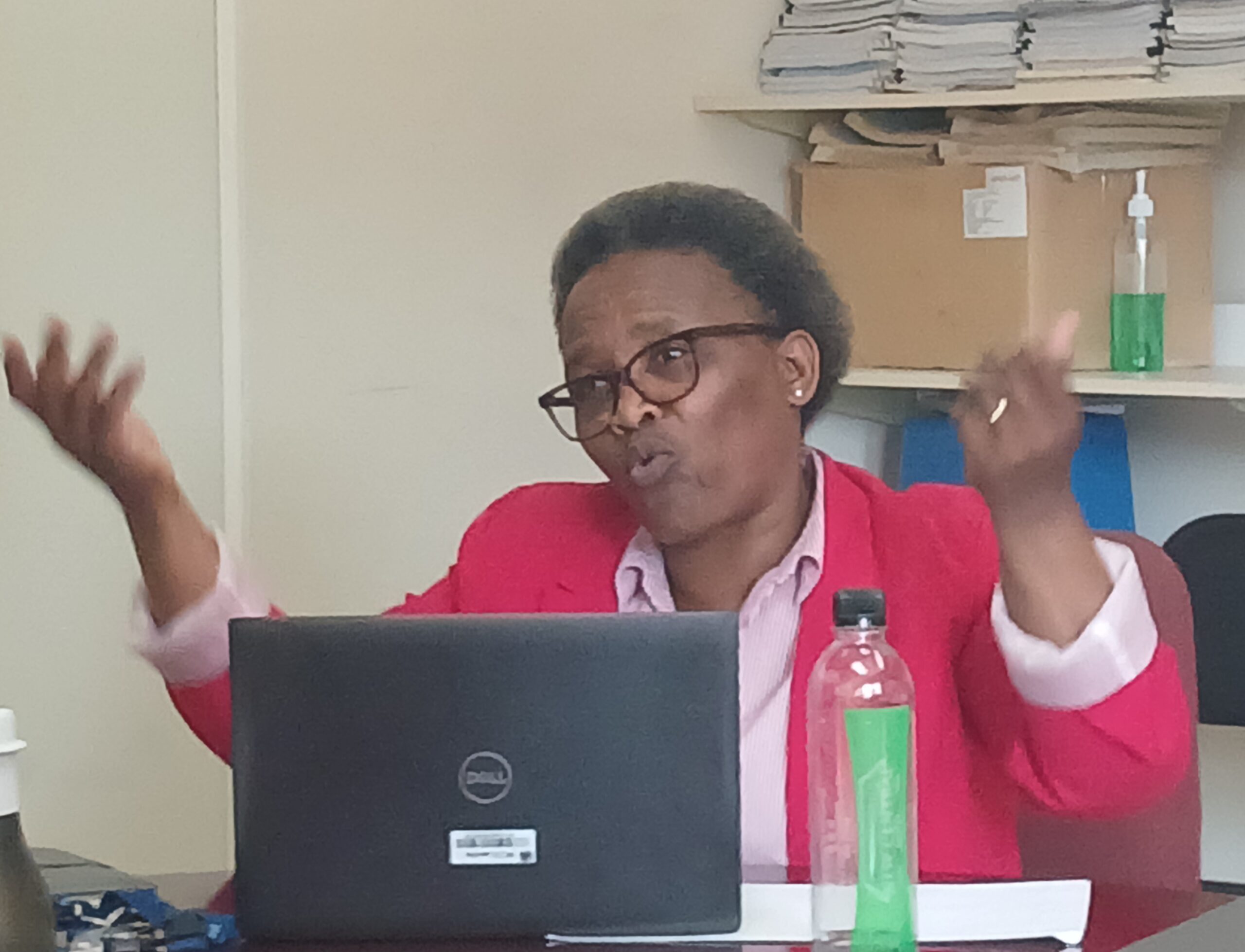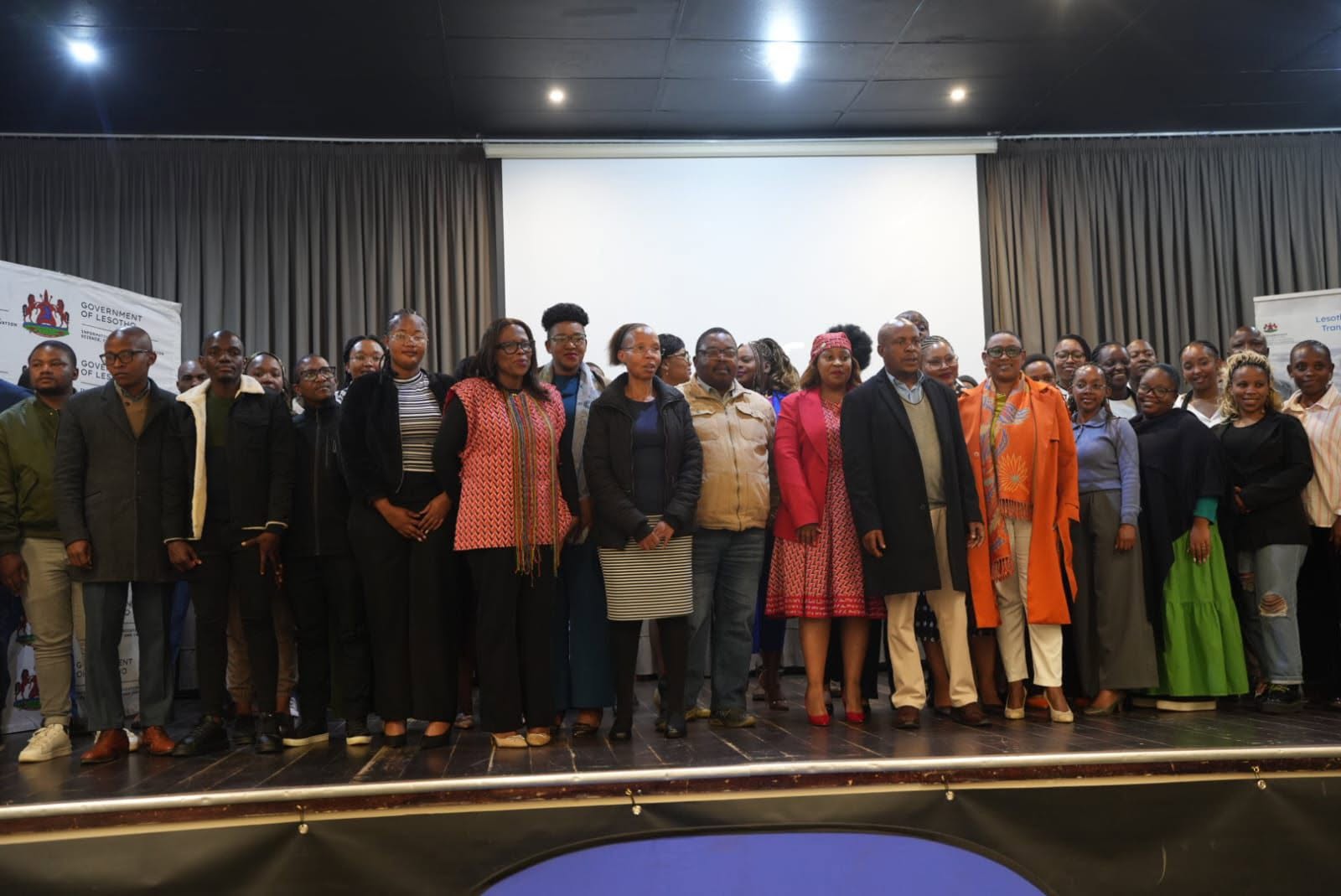
Lesotho is taking an important step towards building a stronger data-driven economy through a National Validation Workshop on the Data Value Creation Blueprint being held in Maseru. The Ministry of Information, Communications, Science, Technology and Innovation (MICSTI), in collaboration with Smart Africa and GIZ, is convening the workshop as part of efforts to shape a national framework for creating greater value from data. The meeting follows a brainstorming session held in July and represents a key stage in the development of the Blueprint. Stakeholders are being given an opportunity to examine the proposed national vision, theory of change, strategic pillars and findings from the ecosystem diagnostic. The workshop also focuses on proposed data use cases and how they should be prioritised to ensure that the final Blueprint responds to Lesotho’s development needs.
The validation process is intended to move the Data Value Creation Blueprint from an initial concept towards a practical national framework. During the workshop, stakeholders are expected to assess whether the proposed direction reflects the country’s priorities, opportunities and existing realities. This is important because a national data strategy needs to respond to the conditions and capabilities that already exist within the country. It must also identify areas where additional investment, skills and institutional support will be required. By involving relevant stakeholders in the validation process, MICSTI and its partners can gather input that can strengthen the Blueprint before it moves towards implementation.
Delivering the official opening remarks on behalf of the Principal Secretary, ICT Director Mr Khiba Masiu said the workshop provides an opportunity to critically assess the draft Blueprint. He emphasised the need to ensure that the document reflects Lesotho’s national priorities, opportunities and realities rather than simply presenting broad ambitions. This approach is important because the success of a national data framework will depend on whether its recommendations can be implemented within the country’s economic, technological and institutional environment. Stakeholder input can help identify gaps, clarify priorities and ensure that the proposed interventions are realistic. The validation workshop therefore provides an important platform for turning the findings of the earlier development process into a more focused and actionable national plan.
Data has become an increasingly important resource for economic and social development, and Lesotho has an opportunity to use it to strengthen different areas of the economy and public administration. Effective use of data can support better decision-making by giving government institutions, businesses and other organisations access to information that can guide their actions. It can also improve public service delivery by helping institutions understand needs, identify gaps and allocate resources more effectively. Beyond government, data can support innovation and create opportunities for businesses to develop new products, services and solutions. The development of a national approach to data value creation could therefore contribute to broader efforts to promote inclusive economic growth.
The proposed Blueprint is expected to consider the different components required to create a functioning data ecosystem in Lesotho. Infrastructure will be important because organisations need reliable systems and connectivity to collect, store, process and use data effectively. Skills will also be critical, as institutions and businesses need people who understand data management, analysis, technology and responsible data use. Governance arrangements will help establish appropriate structures and processes for managing data while ensuring that its use supports national interests and responsible practices. Partnerships between government, the private sector, development organisations, academia and other stakeholders will also be important in turning the Blueprint’s objectives into practical initiatives.
The ecosystem diagnostic findings form another important part of the validation process. Understanding the existing data ecosystem can help stakeholders identify strengths, weaknesses, opportunities and areas requiring intervention. This evidence can then inform decisions about which initiatives should receive attention and which challenges need to be addressed first. The proposed use cases are also expected to receive close consideration as participants determine their relevance and priority. Prioritisation will be important because resources are limited and the country may need to focus first on areas where data can deliver the greatest development impact.
The workshop also provides an opportunity to examine the proposed theory of change behind the Blueprint. A clear theory of change can help stakeholders understand how investments in data infrastructure, skills, governance and partnerships are expected to lead to measurable development outcomes. It can also provide a framework for assessing whether planned interventions are producing the intended results. This will be particularly important once implementation begins, as progress will need to be monitored against clearly defined objectives. A practical framework can help ensure that the Data Value Creation Blueprint remains focused on outcomes rather than becoming a document that is not translated into action.
Masiu stressed that the Blueprint must be practical and implementable, highlighting the importance of having the right conditions to support its execution. This means that recommendations should be linked to realistic resources, institutional capabilities and implementation arrangements. The availability of appropriate infrastructure and skilled personnel will be essential, while strong governance mechanisms can help ensure that data initiatives operate effectively. Partnerships can also provide access to technical expertise, investment and experience that may help accelerate implementation. These factors will determine whether the Blueprint can move beyond planning and contribute to tangible improvements in Lesotho’s economy and public services.
The validation process is expected to result in clear decisions about which elements of the draft Blueprint should be validated, amended or deferred. This provides a structured way for stakeholders to address areas of agreement as well as proposals that require further development. Elements that are considered ready for inclusion can move forward, while areas that require changes can be revised based on the feedback received. Proposals that are not yet sufficiently developed can be deferred until more information or resources become available. Such an approach can help produce a final Blueprint that is more focused, realistic and aligned with Lesotho’s long-term development objectives.
The National Validation Workshop represents an important stage in Lesotho’s efforts to strengthen its digital economy and make more effective use of data. Collaboration between MICSTI, Smart Africa and GIZ provides a platform for bringing together expertise and perspectives as the country develops its Data Value Creation Blueprint. The emphasis on validation, practical implementation and national priorities can help ensure that the final framework responds to the country’s actual needs. If effectively implemented, the Blueprint could support improved decision-making, stronger public services, innovation and new business opportunities. The decisions reached through the workshop will therefore be important in shaping how Lesotho develops and uses data as a resource for inclusive economic and social development.
Lesotho News WhatsApp Channel | Lesotho News
Join ‘Lesotho News’ WhatsApp Channel
Get breaking Lesotho news — delivered directly to your WhatsApp.
CLICK HERE TO JOIN