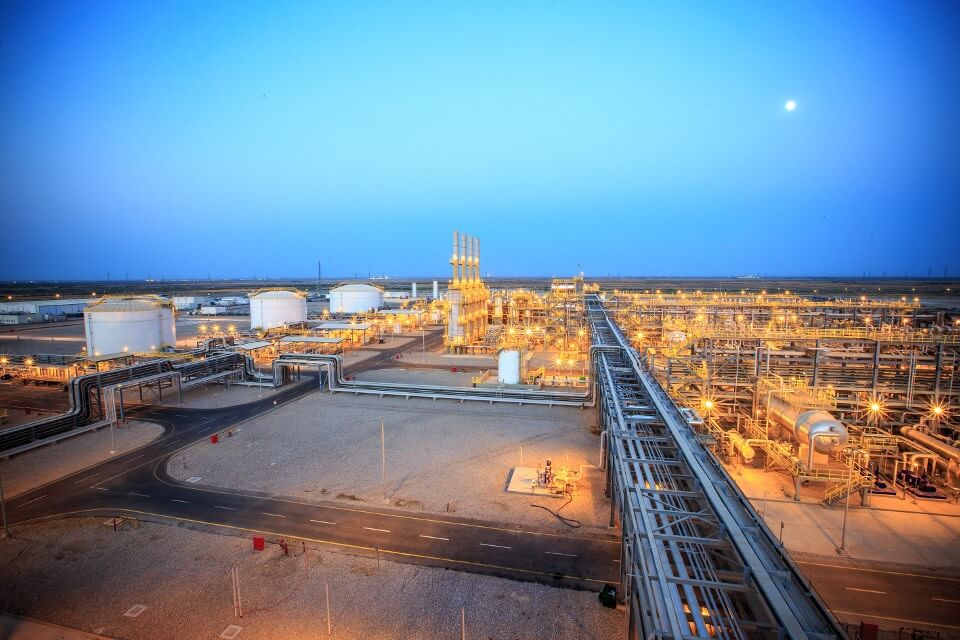
Baghdad (IraqiNews.com) – The International Monetary Fund’s projection of a 6.8% economic contraction for Iraq in 2026 points to structural vulnerabilities that extend far beyond baseline drops in crude extraction and exports, according to prominent Iraqi economic analyst Manar Al-Obeidi.
In an analytical assessment published on Monday, September 14, Al-Obeidi cautioned that while oil revenue shocks grab headlines, the deeper danger lies within the frail architecture of the non-oil economy, which remains organically tethered to state machinery funded almost exclusively by oil receipts. As petroleum inflows soften, the contraction inevitably cascades into reduced public payroll spending, suppressed capital investment, muted retail demand, and sharp drops in private-sector job creation.
This fiscal dependency has collided with an increasingly harsh operational environment for domestic enterprise over the past year. Al-Obeidi highlighted that private firms have weathered compounding headwinds, including aggressive customs enforcement and tariffs, ballooning overheads, retrenched agricultural and industrial subsidies, and an acute scarcity of affordable corporate credit.
Compounding these burdens, Iraqi enterprises face restricted pathways to international export markets, leaving the vast majority completely reliant on domestic consumers whose dwindling confidence and spending power directly curtail corporate revenues, reinvestment, and hiring.
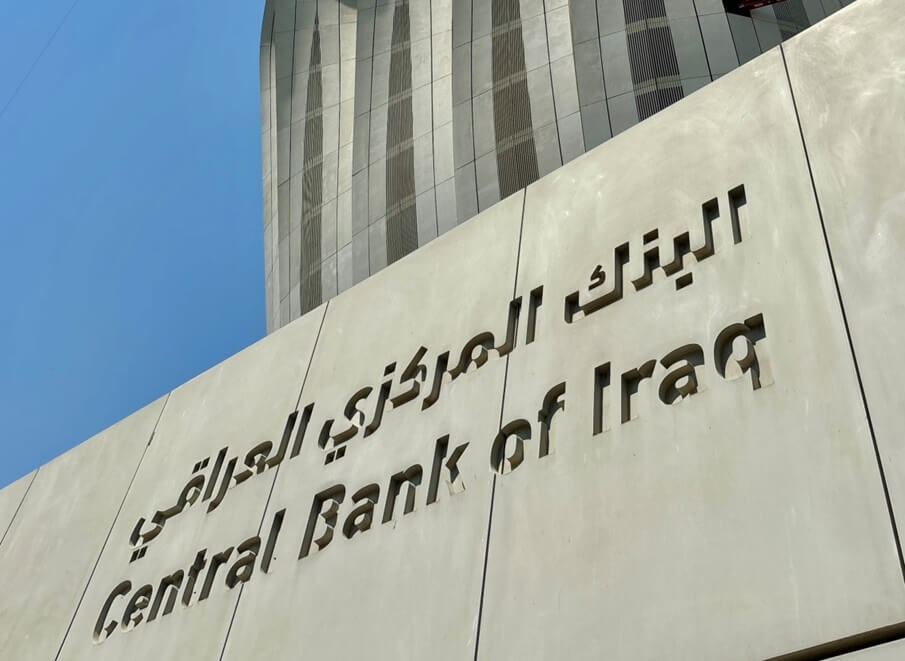
The financial system offers little relief under its current orientation, as commercial lenders step back from financing market expansion. Al-Obeidi observed that banking confidence took a measurable hit following regulatory sanctions against several domestic institutions, while ballooning sovereign borrowing needs have crowded out private borrowers.
Faced with safe, steady returns on state treasury paper, local banks increasingly pivot toward low-risk sovereign debt, drying up credit lines for small- and medium-sized commercial enterprises that urgently require liquidity to survive broader contractionary cycles.
Overcoming this structural trap demands looking past commercial bank balance sheets toward long-dormant capital market instruments. Al-Obeidi stressed that insulating the real economy requires modernizing the Iraq Stock Exchange to incentivize broad-based corporate listings across varied industries, alongside codifying legal frameworks for private equity, venture capital, and institutional investment funds.
The defining test facing Baghdad is not merely engineered gross domestic product recovery beyond 2026, but whether the state can establish an autonomous private sector capable of mobilizing capital, driving commercial expansion, and generating employment even when sovereign oil revenues retreat.