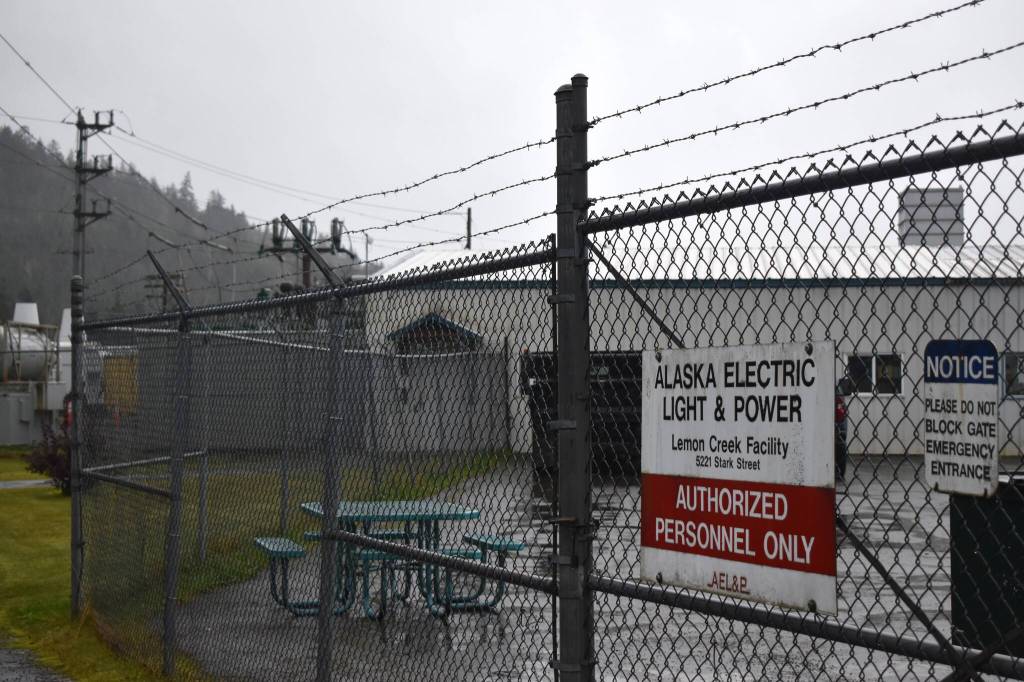
AEL&P challenges Juneau tax on diesel used to generate power
Published 6:30 am Friday, September 11, 2026
By Jeffrey Kennett Juneau Empire Staff
A tax fight over what happens to a gallon of diesel after it is burned is moving into a new phase at City Hall.
Alaska Electric Light & Power Co. is appealing the City and Borough of Juneau’s decision that diesel purchased to generate electricity does not qualify for a sales-tax exemption, a dispute involving $13,830.43 in taxes.
The dispute dates back to March, when AEL&P asked the city’s Sales Tax Office to determine whether diesel used in its generators qualified for Juneau’s exemption for goods purchased for resale. City code exempts tangible personal property bought by a business for resale in the same or an “altered form,” provided the buyer holds a valid resale certificate. Juneau’s tax code also directs officials to broadly interpret the scope of the tax and allow exemptions only when a transaction clearly fits one established in code.
AEL&P argues that the chemical energy stored in diesel is converted by its generators into electrical energy that the utility then sells to customers. Under that reasoning, the company says the diesel is effectively resold in an altered form. The utility’s appeal contends the city’s administrative guidelines improperly impose a narrower standard than the code itself.
City officials reached the opposite conclusion. In its May 12 determination, the Sales Tax Office said diesel is consumed while operating the generating equipment before electricity is sold and therefore does not become part of the finished product. Existing city guidance specifically identifies fuel used to operate manufacturing or processing equipment as a taxable purchase rather than a resale item.
That determination also found that AEL&P’s 2026 resale certificate contained exemptions for petroleum products and petroleum by-products or chemicals that had been issued in error. The city said the certificate would be revised to reflect the exemptions it considered appropriate.
A three-member hearing panel considered AEL&P’s first appeal in May and reached a divided result. Following a May 11 hearing, the majority recommended setting aside the Sales Tax Office’s decision, while one hearing officer dissented.
Majority members focused heavily on the city’s previous treatment of AEL&P’s generation fuel. They concluded CBJ had exempted diesel used for electricity generation since at least 2022 and said the city should clearly establish that such fuel is taxable before changing that practice. The panel also criticized gaps in the hearing record, noting neither side clearly established when the exemption began, the period covered by the disputed $13,830.43 or exactly which diesel purchases produced that amount.
AEL&P has since told the Empire that its records show the resale exemption had been applied to its generation fuel as early as 2008 and continued until the city repealed that treatment in 2026.
Hearing officer David B. Epstein argued that the existing code was already clear enough. Epstein wrote that diesel is destroyed during combustion and leaves the generator as exhaust gas, heat, and mechanical force, while electricity is produced separately through electromagnetic induction. In his view, nothing recognizable as the purchased diesel remains to be resold, so the exemption does not apply.
Deputy City Manager Robert Barr rejected the majority recommendation June 3 and upheld the Sales Tax Officer’s original determination. Barr largely adopted the dissent’s reasoning, finding that the tangible property represented by diesel ends when it is combusted and that AEL&P’s proposed interpretation would significantly expand which business inputs could qualify for resale exemptions.
Barr’s decision also rejected the argument that the city should continue an exemption because it had previously allowed it. He wrote that when the government discovers its laws or regulations have not been properly followed, correcting the error serves the public interest. Barr said a specific exemption for diesel used to generate electricity would be more appropriately created through legislation by the Assembly.
The Assembly unanimously accepted AEL&P’s appeal of Barr’s decision on July 27 and agreed to move forward with the appellate process. Under Juneau’s administrative appeal code, AEL&P bears the burden of proving the decision should be set aside. The Assembly may reverse a decision if it is unsupported by substantial evidence, lacks adequate written findings, or resulted from a failure to follow required procedures or provide due process.
A prehearing conference held Sept. 8 was procedural rather than a final hearing. Such conferences can be used to identify or simplify the questions under appeal, establish briefing deadlines, and address other matters before arguments on merit.
For customers, the dispute has a direct connection to electricity costs. AEL&P says its Cost of Power Adjustment is used to recover costs that are not included in base rates, including expenses associated with diesel generation.
AEL&P’s filed tariff is more specific, directing the utility to enter the total cost of diesel fuel used to generate energy into the COPA calculation. The utility confirmed that sales tax paid to CBJ on diesel used for electricity generation is currently included in those recoverable diesel costs and is therefore reflected in customer bills.
The $13,830.43 dispute stems from diesel AEL&P purchased for its fuel inventory in February 2026, according to the utility. The delivery totaled 100,003 gallons.
AEL&P said its records also indicate the resale exemption for generation fuel remained in place until CBJ changed its treatment of the purchases in 2026.