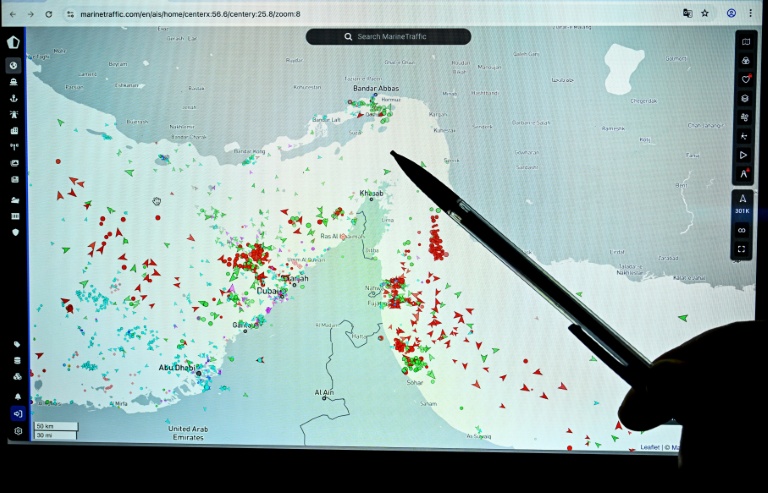
Baghdad (IraqiNews.com) — A financial analysis by Iraqi petroleum economist Dr. Nabil Al-Marsoumi has revealed that transit tolls imposed by Tehran on crude tankers navigating the Strait of Hormuz are siphoning off nearly a third of Iraq’s oil earnings.
In an audit published on Wednesday, Al-Marsoumi calculated that Baghdad paid roughly $1.3 billion directly to Iranian authorities during August alone, depleting what had originally been $4.5 billion in gross hydrocarbon exports down to an intermediate balance of $3.2 billion. Once production costs and licensing dues owed to foreign oil operators were deducted, Iraq was left with just $2.5 billion in net treasury inflows for the entire month.
These figures corroborate warnings issued a day earlier by lawmaker Mansour Al-Baiji, deputy head of the Reconstruction and Development parliamentary bloc, who cautioned that passage fees reaching up to $20 per barrel are being paid directly to Iran by Iraq’s State Oil Marketing Organization (SOMO).
Al-Baiji warned that such transfers could expose the state marketer to severe secondary sanctions from Washington, which views any financial facilitation of the Iranian regime as a breach of international restrictions.
The developments unfold amid mounting economic pressure from the United States. U.S. Treasury Secretary Scott Bessent recently began reaching out to countries maintaining commercial ties with Tehran, cautioning that American sanctions could soon target foreign state entities and official bodies if they assist Iran in circumventing financial controls.
According to Iraqi press reports, an unwritten message recently reached Baghdad warning that secondary penalties may be imminent if the flow of funds to Iran continues, sparking visible unease across Iraq’s political establishment.
In response to the growing friction, the ruling State Administration Coalition convened its second meeting in less than a month to assess the fallout of potential American measures. However, the coalition adopted a cautious posture, acknowledging the gravity of U.S. sanctions while conspicuously avoiding divisive deadlines—such as the September 30 target for consolidating state control over unauthorized arms—in an apparent bid to navigate the delicate balance between Washington and Tehran.
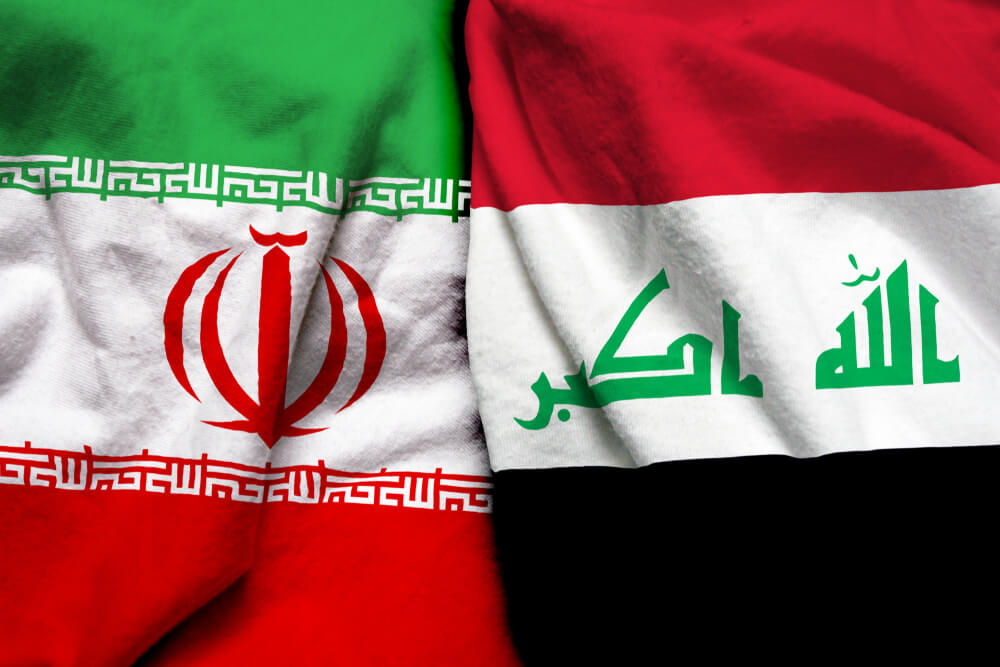
The maritime dispute follows a declaration earlier this year by Iranian Foreign Minister Abbas Araghchi, who noted that passage through the strategic chokepoint would be permitted only for allied nations such as Iraq, China, Russia, India, and Pakistan, after reports emerged that Tehran had begun levying steep fees approaching $2 million per vessel.
With Iraq requiring over 7.4 trillion dinars every month simply to meet public payroll obligations, losing over $1 billion to maritime transit fees threatens to plunge state finances into a severe liquidity shortfall while jeopardizing its vital relationship with international energy markets.