Zurich, Switzerland — A Swiss human rights group on Monday called on Swiss authorities to halt the planned deportation of a seriously injured Somali man, saying he was still awaiting medical treatment after suffering multiple skull fractures and a traumatic brain injury.
Zurich-based Augenauf said Swiss authorities planned to forcibly return the man to Mogadishu via Istanbul on Thursday, September 10, despite his surgery at Zurich University Hospital following an attack around two weeks ago.
According to the group, two flatmates assaulted him at an underground asylum accommodation centre where Swiss authorities had placed him. He suffered multiple skull fractures, a brain injury and damage to his eyes.
Augenauf said Swiss authorities had prevented two further operations scheduled for the week beginning September 7 from going ahead.
The organisation did not provide details of the legal basis for the deportation or the man’s current immigration status.
His lawyer has demanded a suspension of the removal, Augenauf said. The man has lived in Switzerland for 11 years and is the father of three children living elsewhere in Europe.
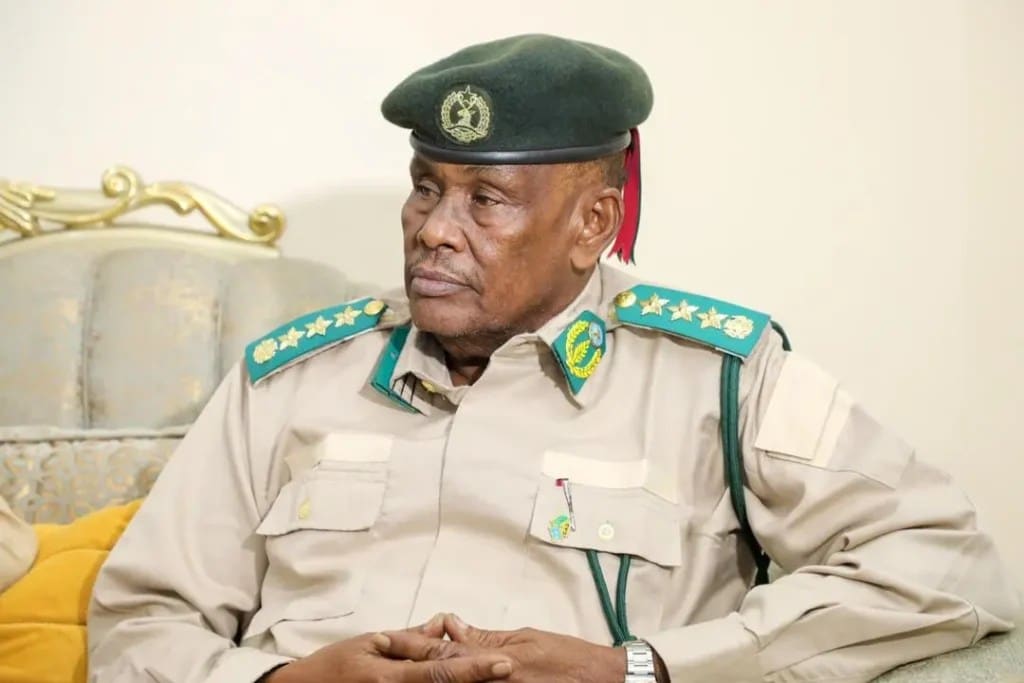
The dispute also involves Somalia’s Immigration and Citizenship Agency, which issued the man with a provisional travel document, or laissez-passer, required for his return.
Augenauf alleged that the agency issued the document without taking his medical condition into account and said the photograph on it did not resemble him.
Swiss migration authorities say they can obtain temporary travel documents from countries of origin when people facing removal do not possess recognised passports or other valid travel documents.
Medical safeguards
The case comes amid scrutiny of safeguards surrounding forced deportations from Switzerland.
In July, Switzerland’s National Commission for the Prevention of Torture called for improvements in medical assessments of whether people were fit to travel during forced removals by air.
It also raised concerns about restraints, the provision of medication and continuity of medical care after arrival.
The commission’s findings focused particularly on people with mental illnesses, but also addressed broader medical safeguards during compulsory removals. It monitored 46 forced returns by special flight in 2025, as well as 11 other compulsory air transfers.
Switzerland’s State Secretariat for Migration says authorities forcibly remove only a small proportion of people ordered to leave the country and can arrange medical assistance where necessary to prevent risks to their health.
Augenauf said two other Somali nationals had filed criminal complaints over previous deportations, which lawyers and Swiss human rights organisations considered to involve “massive violations of Swiss and international law”.
The group said authorities had “put the lives of those affected at serious risk” and that it had raised the cases with the commander of Zurich cantonal police and the National Commission for the Prevention of Torture.
It urged Somali authorities to intervene in the latest case and to “refuse to readmit any sick or injured persons”.
Pressure over returns
The dispute comes as European governments increase pressure on Somalia to improve cooperation over the return of nationals ordered to leave.
The European Union tightened visa rules for Somali citizens in June after concluding that Somalia’s cooperation on readmissions remained insufficient.
The EU called for improvements in the identification of Somali nationals, the issuance of emergency travel documents, and the organisation of voluntary and forced returns.
The measures largely ended multiple-entry visas, extended the standard visa-processing period from 15 to 45 days and removed some exemptions for holders of diplomatic and service passports.
Switzerland, which is part of the Schengen area but is not an EU member, adopted the restrictions on August 12.
The Swiss government said the measures aimed to improve cooperation with Somalia on the readmission of citizens required to leave the country. At the end of June, 57 Somali nationals in Switzerland faced orders to leave.
The latest dispute also follows efforts by Bern and Mogadishu to deepen cooperation on migration and returns.
Somalia Today reported last year that representatives of Somalia’s Immigration and Citizenship Agency visited Switzerland in July 2025 as the two sides expanded cooperation, including Swiss support for passport-control equipment and training.
Augenauf described Switzerland’s combination of support and tougher visa measures as a “carrot and stick” approach towards Somalia.
The planned September 10 deportation has now renewed attention on how Swiss authorities carry out removals and how Somalia cooperates on readmissions when a person facing return is seriously injured.