Your support helps us to tell the story
From reproductive rights to climate change to Big Tech, The Independent is on the ground when the story is developing. Whether it’s investigating the financials of Elon Musk’s pro-Trump PAC or producing our latest documentary, ‘The A Word’, which shines a light on the American women fighting for reproductive rights, we know how important it is to parse out the facts from the messaging.
At such a critical moment in US history, we need reporters on the ground. Your donation allows us to keep sending journalists to speak to both sides of the story.
The Independent is trusted by Americans across the entire political spectrum. And unlike many other quality news outlets, we choose not to lock Americans out of our reporting and analysis with paywalls. We believe quality journalism should be available to everyone, paid for by those who can afford it.
Your support makes all the difference.Read more
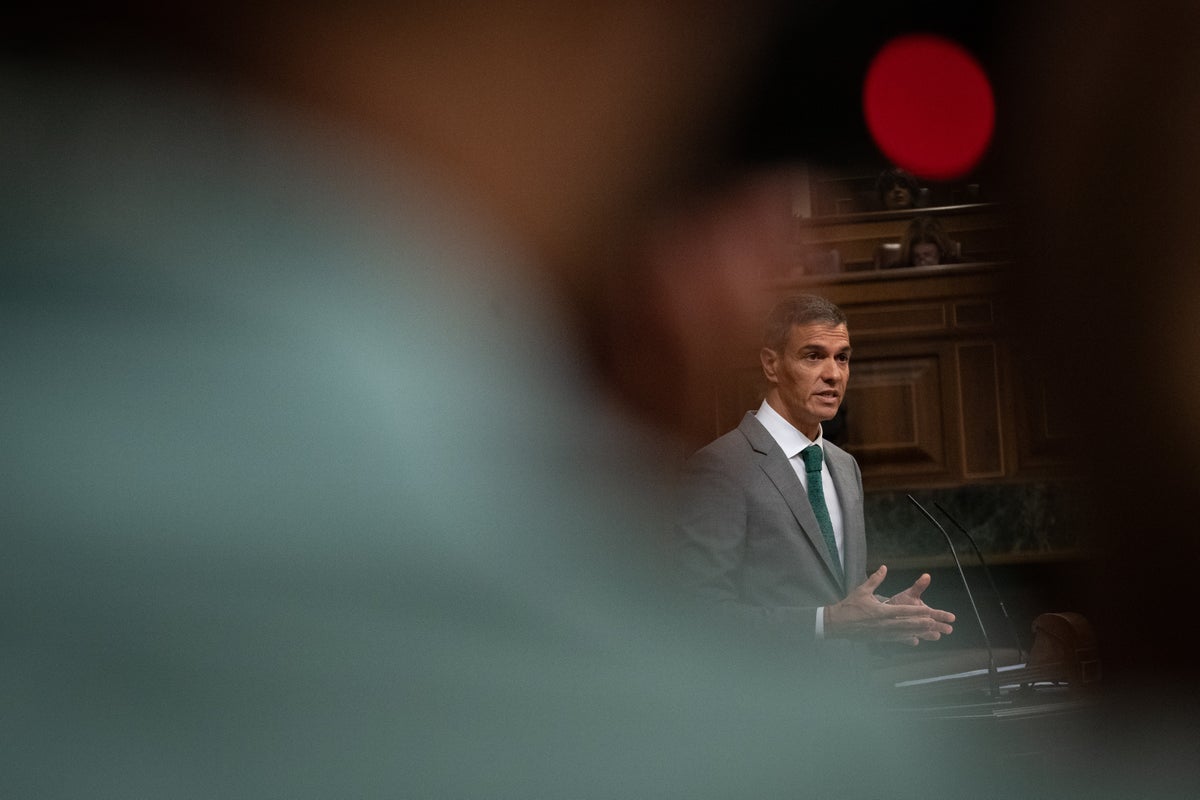
Spain’s Prime Minister Pedro Sánchez on Thursday rejected suggestions that Moroccan authorities helped orchestrate the deadly mass crossing of migrants from Morocco into the Spanish exclave of Ceuta, as pressure grows over his handling of the crisis.
“I can assure you that that no institution — neither the diplomatic service, nor the European Commission, nor any international body — has provided the Spanish government with solid evidence that Morocco planned or carried out the incident. None,” Sánchez told lawmakers.
A day earlier, tens of thousands of Spaniards in cities across the country joined protests against the ongoing humanitarian crisis in Ceuta, demanding solutions and Sánchez’s resignation.
In late July, some 72,000 migrants swam, scrambled and later charged into Ceuta, a Spanish exclave in North Africa with just 84,000 residents. Most returned to Morocco or were ushered back over the border within days, but around 5,000, including 1,200 minors, remain in the city weeks later, according to the national government. Ceuta’s local government cites a higher figure.
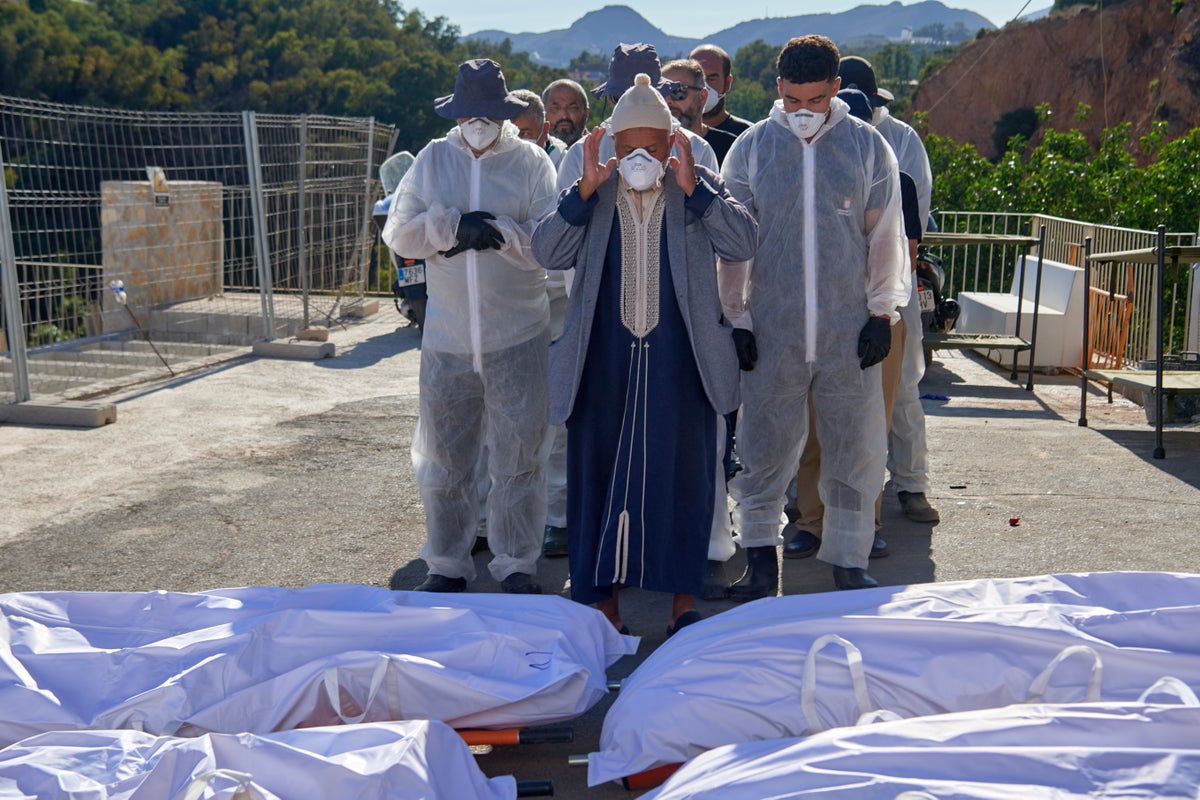
Sánchez said 141 people died attempting to reach the city, but neither his office nor Spain’s interior ministry explained how they reached the figure.
Major questions linger over what caused the mass crossing, which the Spanish government says was fueled by an online campaign on social media.
Earlier this week, Spanish media reported that a police report had highlighted the alleged permissiveness of Moroccan security forces in the incident, but Spainish officials denied that the document had blamed Rabat.
However, on Thursday, Sánchez said that for a 10-hour period on July 30 when migrant arrivals peaked, Morocco’s Gendarmerie police “allowed the border to be crossed,” in Ceuta.
His government has consistently avoided criticizing Morocco, but Sánchez condemned comments from two Moroccan ministers questioning the sovereignty of Ceuta and Melilla, another Spain’s other territory in North Africa. His government has summoned Morocco’s ambassador in Madrid over the comments, Sánchez said.
The two exclaves have the European Union’s only land borders with Africa.
Sánchez said his government would release key reports about the border breach, the deadliest in living memory, but his government did not say when they would be made public nor what they would entail.