The Southeastern Conference has laid out its argument against ex-NFL players returning to college football.
The SEC filed a brief Wednesday with a Baton Rouge court, which is slated to hold a hearing Thursday to determine whether athletes hoping to play a fifth college season receive an injunction against the NCAA and SEC, including multiple football players who signed contracts with NFL teams.
The brief lays out the SEC’s argument on why it should be able to enforce punishments against schools and coaches who permit ex-pros to join their programs.
“This case arises amid substantial uncertainty concerning rules governing college sports,” the SEC’s opposition to a petition for a preliminary injunction reads. “But the question presented as to the SEC is significantly narrower than the broader debate. It is whether the SEC can enforce and require its member institutions to comply with SEC rules.”
That second sentence was bolded, underscoring just how critical self-governance has become for conferences after the NCAA’s antitrust vulnerabilities in court.
A group of 30-plus athletes were granted a temporary restraining order against the NCAA in mid-August by Judge William Jorden. It granted Class of 2022 high school graduates, who were not given a fifth year of eligibility despite the NCAA modifying its rules to allow current athletes five seasons in five years, the go-ahead to return to the college ranks.
In response, the SEC instituted penalties against schools that added athletes who were previously signed or rostered by pro leagues — the NFL, NBA and WNBA — including a fine equal to 50% of that sport’s budget, a suspension of a team’s coach for half the season and the revoking of a school’s voting on privileges on business matters.
The plaintiffs’ attorneys argued the original temporary restraining order applies to the SEC because it works in concert with the NCAA. But the SEC argues it is not a “functionary” of the NCAA and did not coordinate on its implementation of penalties.
“The Louisiana Supreme Court has expressly instructed that courts should not interfere with the internal affairs of a private association unless its proceedings have not been conducted fairly and honestly or its conduct is fraudulent,” the SEC’s Wednesday filing read. “Louisiana appellate courts have applied the same principle specifically to reasonable eligibility rules adopted and disciplinary measures undertaken by athletic associations.”
The SEC said it is “fostering fair competition” among its member schools by creating rules against former pros returning to college.
“SEC member institutions have made roster management decisions and conducted preseason practices under eligibility rules that did not contemplate an August influx of athletes returning from professional rosters,” the SEC’s filing continued.
LSU isn’t the only SEC school attempting to add ex-pros, but Lane Kiffin and his program has been the most aggressive.
Ahead of Saturday’s opener with Clemson, the Tigers have received commitments from former Ole Miss starters Dae’Quan Wright and Zxavian Harris, who signed with the Browns and Saints, respectively, in the preseason. They also may be adding former Utah cornerback Blake Cotton, another plaintiff who “intends to seek a roster spot at a D-I university in Louisiana,” according to the lawsuit.
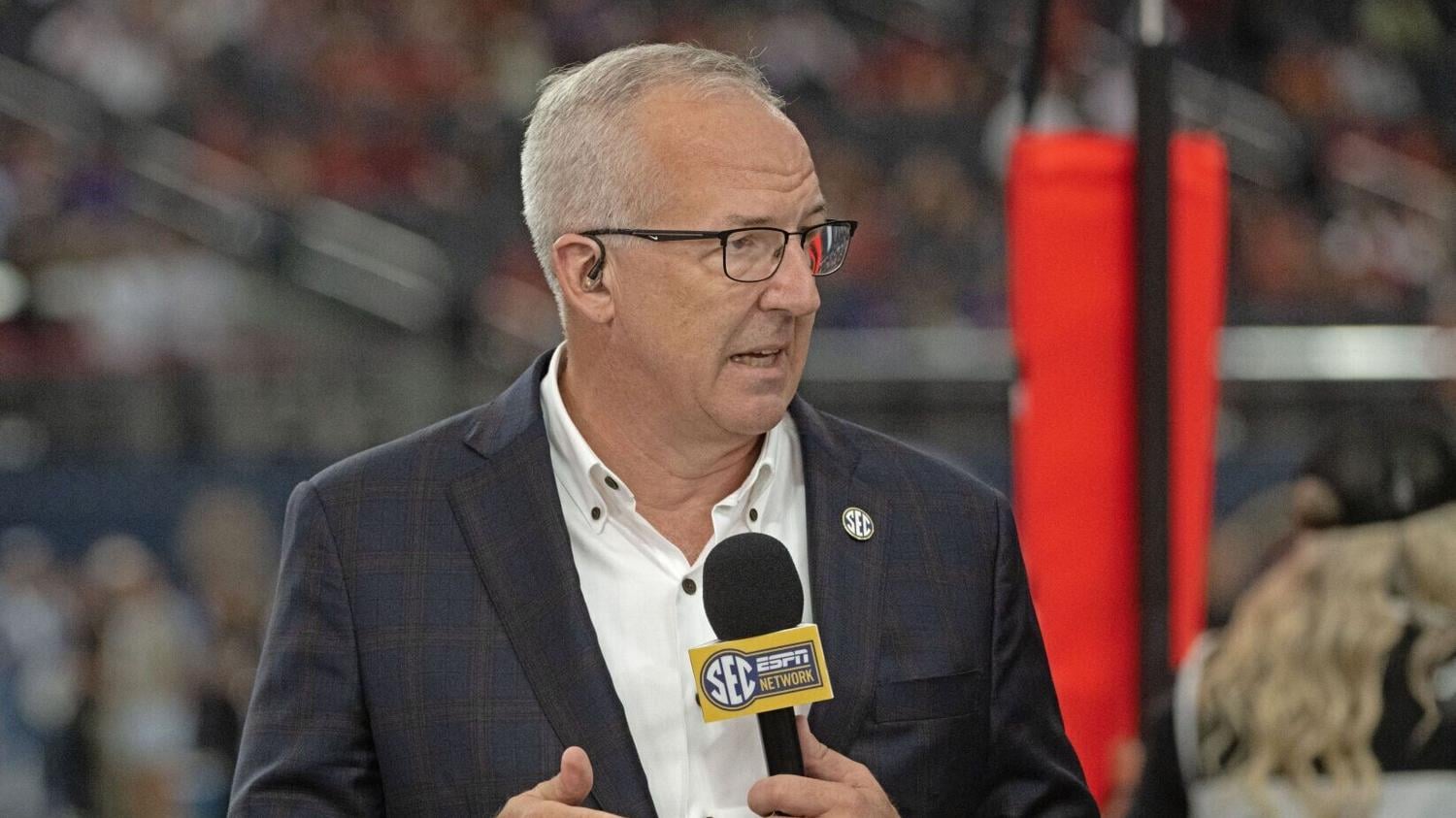
SEC commissioner Greg Sankey, who was added as a defendant to the plaintiffs’ lawsuit after its penalties against ex-pros was announced, provided an affidavit Wednesday that said SEC school presidents voted 15-0 to support those punishments, with LSU president Wade Rousse abstaining. He argued that the SEC is not an agent of the NCAA.
Yahoo Sports reported Wednesday that Sankey plans to appear in person Thursday and could testify.
For now, the SEC is complying with the judge’s order, which prevents both the NCAA and the conference from enforcing its penalties against schools, including LSU, that would add fifth-year seniors and ex-pros outside of the NCAA’s designated transfer windows.
But every signal from the SEC is that it’s not backing down. Tennessee chancellor Donde Plowman, president of the SEC’s executive committee, told ESPN on Tuesday that the league will enforce its rules regarding NFL players returning to college.
A day later, ESPN obtained a letter from Georgia Attorney General Chris Carr to Sankey encouraging him to take “all measures available” to punish LSU if it added former NFL players, including suspending or expelling LSU from the SEC.
“The substance and scope of those orders obviously raise serious legal concerns,” Carr wrote of the Baton Rouge court’s rulings. “However, the more immediate concern is that after the temporary orders took effect, one of the SEC’s member institutions, Louisiana State University (LSU), indicated its plans to ignore the Conference policy by opting to roster one or more pro athletes this season.
“It is no coincidence that the very institution set to potentially use this temporary order to flout the SEC’s rule is in the trial court’s own backyard.”
Kiffin has denied assertions that himself or LSU orchestrated the lawsuit brought in Baton Rouge, noting hundreds of athletes have sued in multiple states.