Baghdad (IraqiNews.com) — Iraq’s strategic plan to scale crude oil production to 10 million barrels per day (bpd) by 2030 faces formidable structural, financial, and geopolitical hurdles, prominent Iraqi economic analyst Dr. Nabil Al-Marsoumi warned on Wednesday, September 2, 2026.
The assessment follows directives issued on Tuesday by Prime Minister Ali Al-Zaidi, who instructed the Ministry of Oil to expand exploration licensing rounds and ramp up extraction across fields in federal territory and the Kurdistan Region to target nearly 10 million bpd over the next four years.
Al-Marsoumi outlined four primary structural constraints standing between Iraq’s current production baseline and the 10-million-bpd horizon:
- OPEC+ Baseline & Quota Negotiation: Iraq currently produces approximately 4.431 million bpd against an OPEC+ baseline allocation of 4.651 million bpd. Pushing production toward 10 million bpd requires formal revision of Iraq’s sovereign quota—a concession requiring consensus among major OPEC+ members.
- Sustainable Capacity Ceiling: US petroleum consultancy DeGolyer and MacNaughton is actively auditing the maximum sustainable capacity across 19 OPEC+ nations. Preliminary assessments project Iraq’s sustainable 12-month ceiling at 5.0 to 5.5 million bpd, revealing a 4.5-million-bpd capacity deficit below the 2030 target.
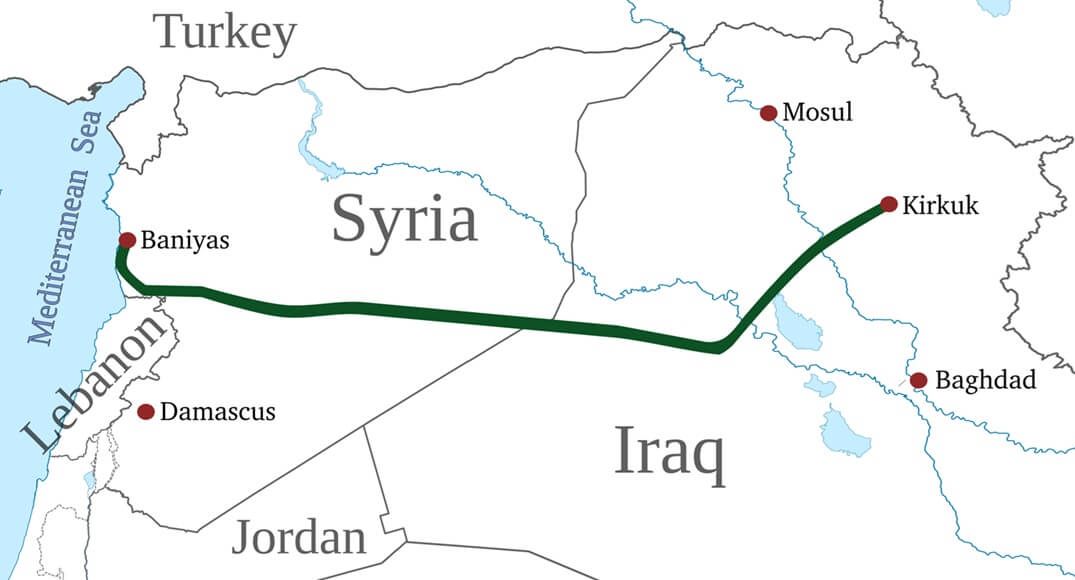
- Capital Expenditure Threshold ($75 Billion): Based on global industry benchmarks averaging $15 billion in capital investment per 1 million bpd of added capacity, Iraq must mobilize roughly $75 billion in upstream and midstream funding. This capital must finance seawater treatment and injection facilities, storage farm expansions, pumping stations, and new maritime and northern pipeline export corridors.
- Price Collapse & Market Saturation Risks: Global oil absorption capacity remains constrained by demand growth projections. Injecting millions of additional Iraqi barrels risks igniting a market-share price war among producers, which could trigger a global oil price collapse harmful to Baghdad’s hydrocarbon-dependent treasury.
Comparative Analysis: Current Capacity vs. 2030 Target
Metric / ParameterCurrent Level (2026)2030 Government TargetGap / Required ExpansionCrude Output~4.431 Million bpd10.000 Million bpd+5.569 Million bpdSustainable Ceiling5.0 – 5.5 Million bpd10.000 Million bpd+4.500 Million bpdOPEC+ Production Baseline4.651 Million bpdRevised Allocation RequiredRequires OPEC+ ConsensusEstimated Capital OutlayBaseline operational budget~$75 Billion cumulative$15B per 1M bpd capacityExport InfrastructureConstrained southern/northern routesNew northern & deepwater sea linesMajor pipeline & storage expansion
Al-Marsoumi cautioned that upstream expansion cannot occur in isolation from global energy market fundamentals. Without substantial foreign direct investment to finance water injection schemes and deepwater export berths, aggressive target-setting risks outpacing actual midstream logistics.
Furthermore, aggressively pursuing volume over price discipline could depress international crude benchmarks, reducing net state oil revenues even as export volumes increase.