1
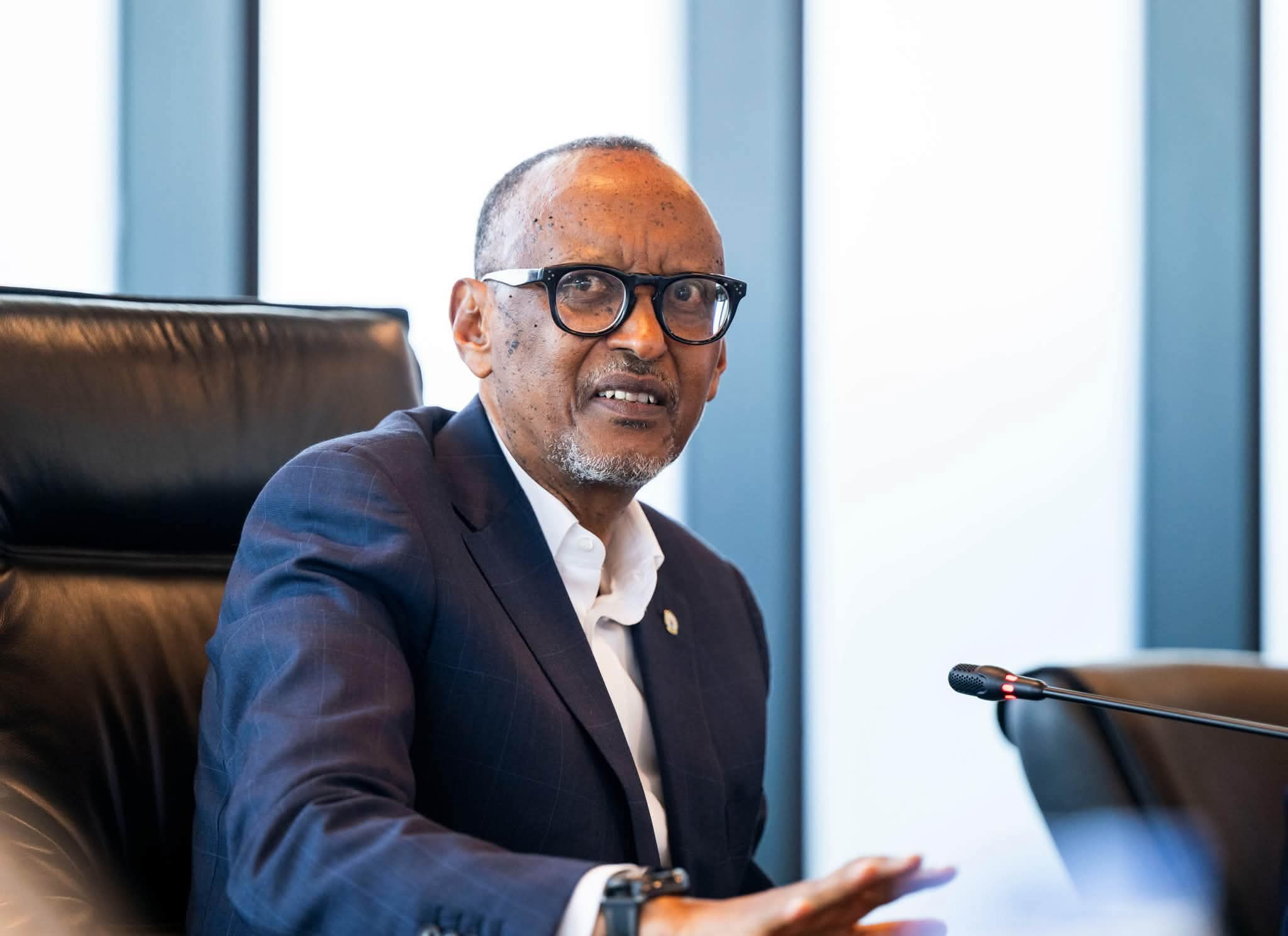
Prime Minister Dr. Justin Nsengiyumva officiating at the opening of the 2026 Africa Food Systems Forum.
KIGALI – Prime Minister Dr. Justin Nsengiyumva has advised that the continent’s vast food economy should be treated as a major investment, employment and innovation opportunity rather than simply a means of producing food.
While officiating at the opening of the 2026 Africa Food Systems Forum, Nsengiyumva pointed to a striking contradiction that the continent has abundant fertile land, water resources, sunshine and a young population, yet millions of Africans continue to face hunger and food insecurity.
“Our people should start seeing agriculture not as a sector of grass and soil, but as a modern and dynamic sector full of opportunities,” he said, describing it as a sector capable of offering decent income, entrepreneurship, innovation and pathways to prosperity.
In 2025, about 309 million Africans were affected by hunger, while about 57 percent experienced moderate or severe food insecurity, according to figures cited at the forum. Closing that gap requires Africa to turn its existing advantages into productive economic activity.
“The private sector actors must move beyond viewing agriculture as a narrow or inherently risky activity. We need to turn potential into productivity. And we need to turn productivity into prosperity for all Africans,” Nsengiyumva said.
Agriculture in A Different Perspective
Prime Minister Dr. Justin Nsengiyumva addressing delegates in Kigali.
The Prime Minister observed that it requires investment across the entire food value chain, from inputs and production to storage, transport, processing, retail and distribution.
It also means recognizing opportunities in sectors that support agriculture, including logistics, irrigation, energy, mechanization, digital services and insurance.
His challenge to investors was matched by a broader warning about fragmented investment.
“A productive farm cannot thrive without roads, energy, irrigation, storage, finance, logistics, processing and reliable markets,” he said, urging stakeholders to look across the value chain rather than concentrating on isolated parts of the system.
That approach would also determine whether the economic gains from food-system transformation reach the people most closely connected to agriculture.
Nsengiyumva called for partnerships that connect capital to opportunities while ensuring value is shared fairly, particularly with smallholder farmers, women and young people.
The Implementation Test
Agriculture Minister Dr. Telesphore Ndabamenye.
Agriculture Minister Dr. Telesphore Ndabamenye placed the same challenge within the broader question of governance and investment, arguing that Africa already possesses many of the ideas and innovations needed to transform its food systems.
“Africa is not short of ideas, innovation or opportunities. The challenge now is to move from model to implementation, from commitment to investment for farmers, businesses, communities and economies,” he said.
In his view, successful transformation depends on coherent policies, strong institutions, coordination, accountability and an environment capable of attracting both public and private capital.
Rwanda’s own experience, according to Ndabamenye, demonstrates what can happen when policy, investment, institutions, farmers and technology work together.
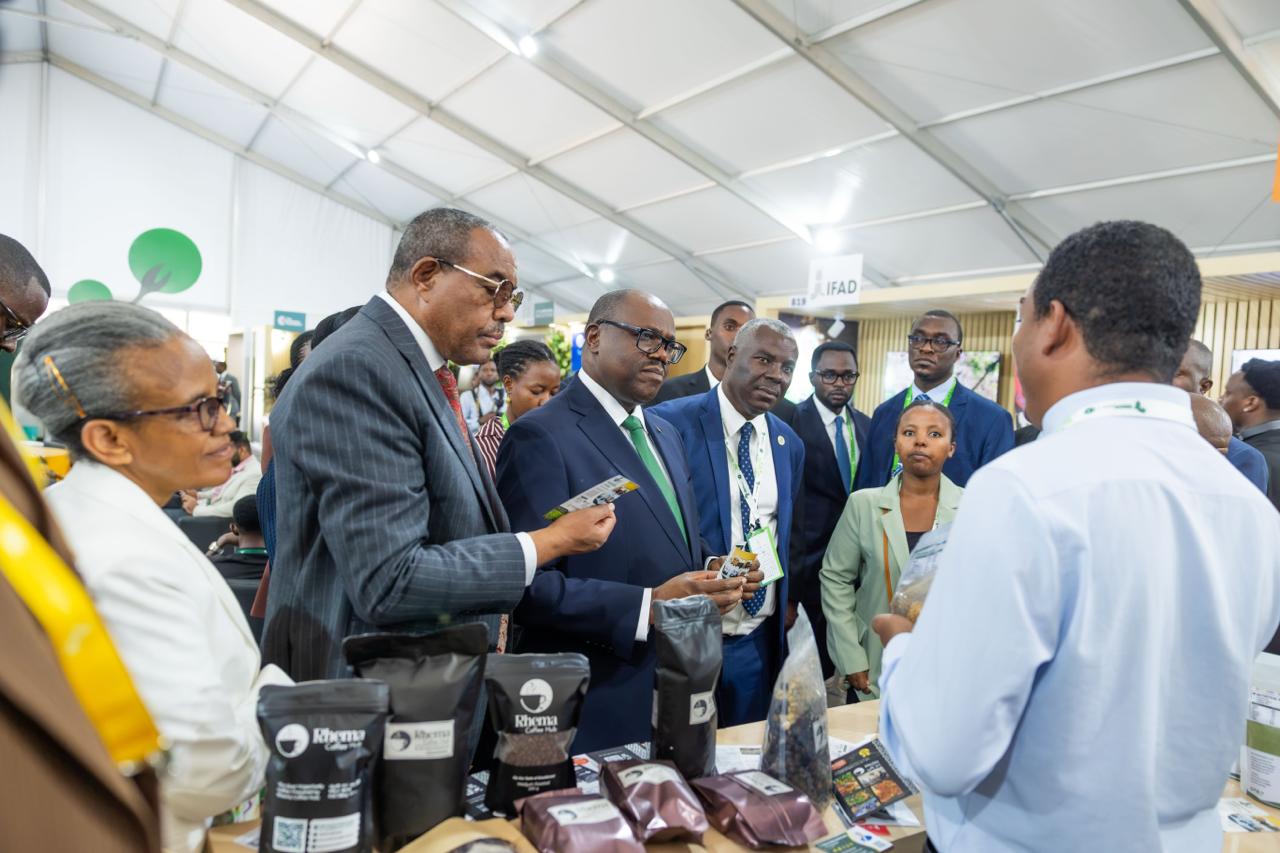
More than 5,000 stakeholders from over 50 countries are attending the 2026 forum, which marks 20 years since the initiative began.
What started as a platform for dialogue has evolved into a broader food-systems platform bringing together governments, farmers, entrepreneurs, investors, researchers, women and young people.
The Way Forward
Amath Pathe Sene, the Managing Director of the Africa Food Systems Forum says the anniversary should therefore be measured not simply by the size of the gathering but by what comes next.
“Our first 20 years prove that Africa can convene with excellence, ambition, and impact. Our next 20 years must prove that Africa can deliver,” Sene said.
That delivery will explore how Africa can turn commitments into credible and investable plans, how investment can strengthen entire food systems, and how successful innovations can be financed, adapted and taken to scale.
Those questions capture the next stage of Africa’s food transformation of moving beyond conferences and commitments to the infrastructure, capital, institutions and partnerships required to make successful ideas work at scale.
Officials say the real opportunity lies in building an integrated food economy in which farming connects to finance, technology, energy, infrastructure, processing and markets, turning what Africa already has into productivity, investment and prosperity.
Visited 1 times, 1 visit(s) today