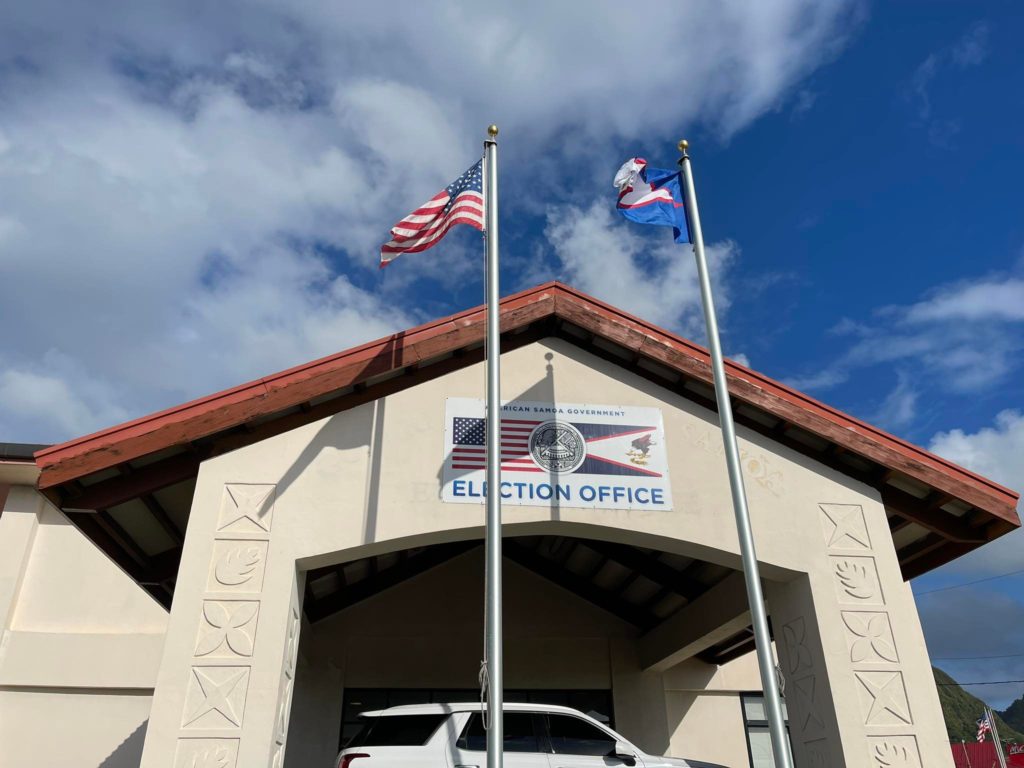
Attorney General Gwen Tauiliili-Langkilde announced a landmark $17.1 billion multistate settlement with Meta Platforms, Inc., the largest state consumer protection settlement in history outside the Big Tobacco settlements of the 1990s.
Under the settlement, American Samoa will receive $1.1 million.
Meta must implement a sweeping set of safety features designed to protect children on Instagram and Facebook.
The agreement resolves claims by 47 States and D.C., Puerto Rico, American Samoa, and the Northern Mariana Islands that the company designed Instagram with addictive features, knowingly exposed young users to serious mental harms, and intentionally misled the public about the safety of its platforms, among other things.
Attorney General Tauiliili-Langkilde also acknowledged that this problem extends well beyond one company and credited Meta for being the first major platform to reach a comprehensive resolution on youth safety.
The settlement requires Meta to implement a series of safety features on Instagram and Facebook:
●Hard cap daily time limits and “Productive Pauses” for children: for its two platforms, Instagram and Facebook, a combined two-hour daily time limit with mandatory pauses after 15 minutes of continuous use and again at 60 and 90 minutes to interrupt endless scrolling. These limits remain in effect for five years. If Snapchat, TikTok, and YouTube adopt comparable terms, the daily limit on each platform will drop to 60 minutes for 10 years.
● “Nighttime blocks” restricting children’s access from 12:00 a.m. to 6:00 a.m.
● Limited school-time access for children, eliminating push notifications on weekdays from 8:00 a.m. to 3:00 p.m. during the school year.
● Robust age assurance measures to more effectively verify the age of young users.
● Safer, age-appropriate content controls, including stronger safeguards against bullying, content promoting eating disorders, and content related to suicide and self-harm.
● Stronger, more user-friendly parental controls.
● Limits on social comparison features, including beauty filters and visible “like” counts, have been linked to poor mental health outcomes in kids and teens.
● Both the implementation and efficacy of the features will be regularly assessed by an independent auditor and the settling states.