Economists: Lack of transparency makes it Impossible to analyze what it means
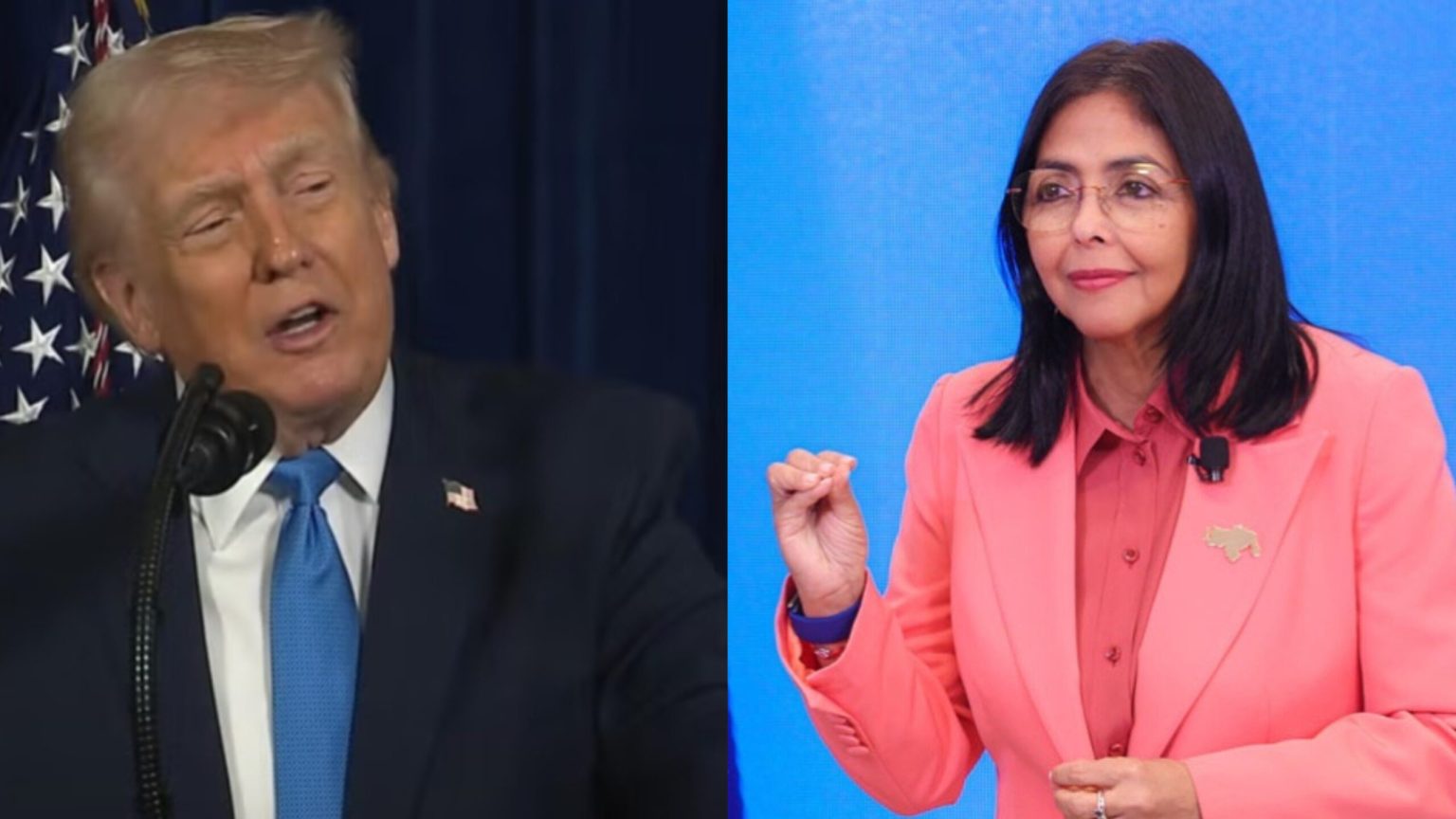
Donald Trump and Delcy Rodriguez.
Venezuelan economists have made it clear that they do not have enough information to conduct an in-depth analysis of the agreement.
By Efecto Cocuyo
HAVANA TIMES – On Friday, August 28, news shook Venezuelan public opinion: US President Donald Trump and Venezuela’s interim president, Delcy Rodríguez, each separately announced what they described as the largest oil agreement in the South American country’s history.
“The United States of America has just closed a deal with Venezuela—the largest oil deal in world history!” Trump declared on his Truth Social network. According to him, the agreement ensures “majority US control over more than 65 billion barrels of proven oil reserves in Venezuela.”
“Venezuela announces a historic agreement with the government of the United States that will have a significant impact on the revival of our nation,” interim president Delcy Rodriguez said on her social media account.
A day later, Venezuelan economists have made it clear that they do not have enough information to conduct an in-depth analysis of the agreement, as Venezuela’s interim government has provided no details beyond announcing its signing.
Some have sharply criticized the secretive manner in which the agreement was drawn up, without consulting the country’s political forces or taking into account the technical expertise of oil industry professionals. Others, based on the limited information available, consider the potential earnings for the Venezuelan state to be negligible.
Francisco Monaldi, director of the Latin America Energy Program at the Baker Institute, said the details of the agreement need to be known, although he says that, at first glance, the amount Venezuela is expected to receive appears “astonishingly low.”
Economist Francisco Rodriguez believes that, as announced, the agreement takes Venezuela back to the era of the oil royalties under Juan Vicente Gomez. According to Rodriguez, Venezuela’s earnings would amount to a negligible 4.7% of the current price of oil.
Ricardo Hausmann, a Venezuelan professor of economic growth at Harvard University, focuses on the political issue, particularly what he sees as a lack of commitment from US Secretary of State Marco Rubio, who is of Cuban descent and has been “committed” to Venezuela’s transition process.
Hausmann, who also served as planning minister in the Venezuelan government of the Carlos Andres Perez (1992–1993), believes the agreement will not last because it was signed by “illegitimate authorities.”
“She [Delcy Rodríguez] has neither the legitimacy nor the constitutional authority to commit Venezuela to any agreement of this kind. Venezuelans will not honor this illegitimate agreement, and no major US oil company will take it seriously because they know it will not last.”
Asdrúbal Oliveros, an economist and business consultant, believes that not all the cards are on the table yet.
“That is why I prefer not to fall into either premature celebration or automatic rejection. I think this is an important opportunity, and I believe an energy alliance between Venezuela and the United States could have very positive effects for the country. But the announcement is only the beginning. What will really matter is seeing under what rules it will be carried out, who will provide the capital, how that investment will be protected and, above all, what institutions we are going to build so that this time oil helps sustain a more stable economy rather than simply producing another cycle of extraordinary revenues.”
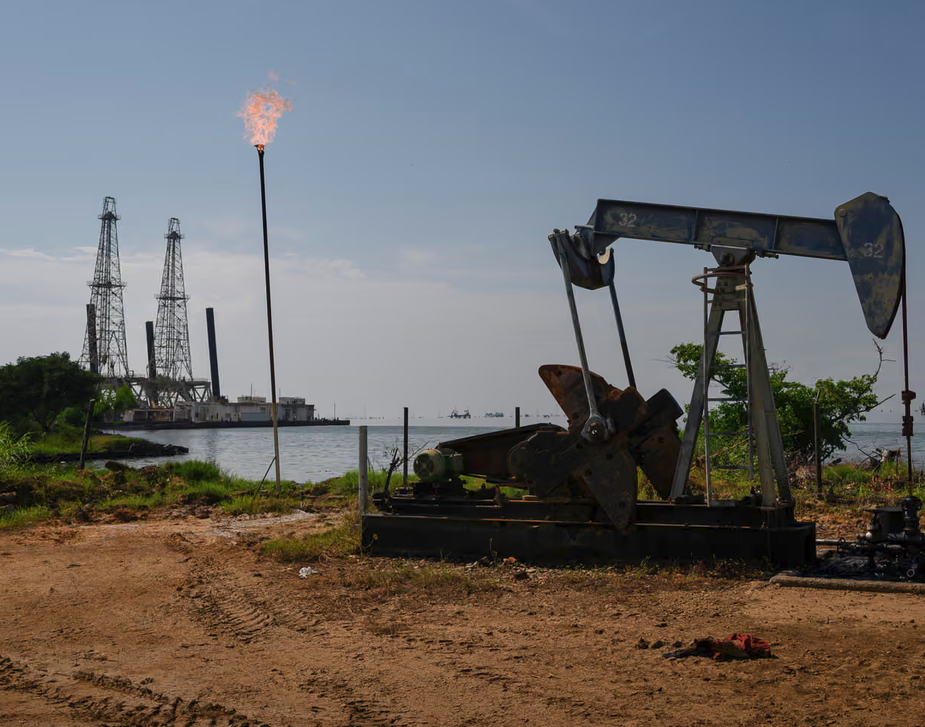
Economist Jose Guerra pointed out there are many unanswered questions surrounding the Venezuela-U.S. agreement. Guerra notes that the 17 oil fields that were handed over have not been identified, nor has it been stated what tax regime will apply to their extraction and exploitation, although it is assumed that they will be governed by the Hydrocarbons Law. The duration of the agreement is also unknown.
The economist estimates that “if around two million barrels a day are extracted from those fields, it would take 89 years to exhaust the reserves.”
First published in Spanish by Efecto Cocuyo and translated and posted in English by Havana Times.
Read more news here on Havana Times.