There’s a very specific kind of feeling that starts showing up out of nowhere, usually while scrolling at night when everything is quiet, your phone brightness is too low, and suddenly every video looks like someone else is living the life you were supposed to accidentally stumble into, and that feeling is basically what people now call “I need a Euro summer,” even though it’s less about geography and more about this emotional mix of wanting softness, movement, sunlight that doesn’t feel filtered, and days that stretch out like they don’t care about deadlines.
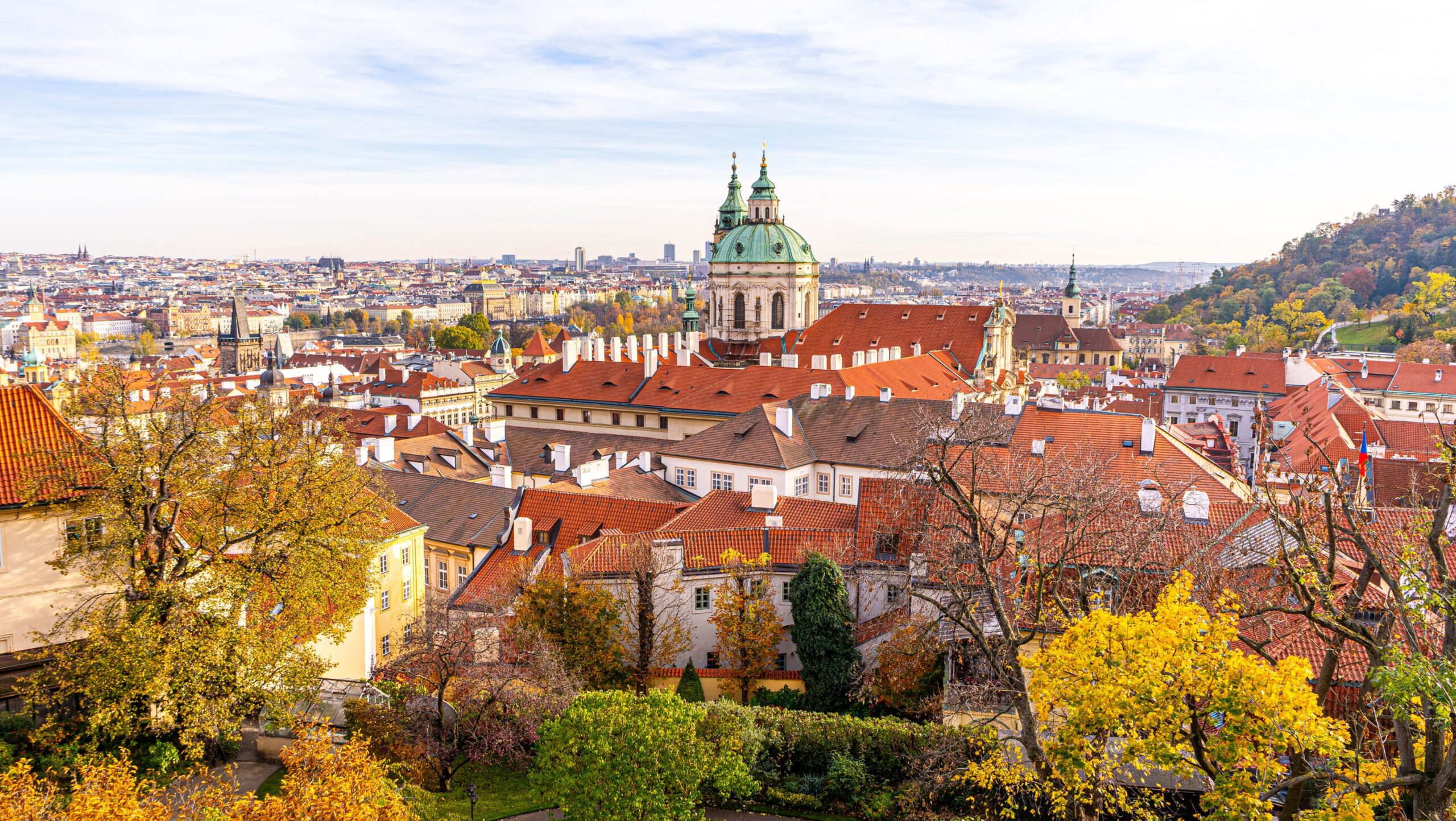
It’s the kind of craving that doesn’t really ask for permission; it just appears, and suddenly cafés in Lisbon, beaches in Greece, trains through Italy, and random golden streets in Spain feel less like travel destinations and more like something you’ve been missing without realizing it. And weirdly enough, this feeling doesn’t only come from travel content, it also comes from the little things that start to feel symbolic of that lifestyle, like personal objects that carry meaning in a subtle way, especially jewelry that feels like it has a story built into it, which is where pieces like Celtic rings from Gaelsong start to naturally fit into the picture, because they aren’t just decorative accessories but more like quiet reminders of identity and continuity, often inspired by traditional Celtic knotwork that symbolizes infinity, connection, and cycles that don’t really end.
That kind of meaning hits differently when everything around you feels temporary and fast-paced, like travel days, changing cities, and fleeting conversations, so wearing something that carries older symbolism almost feels grounding in a way that balances out the chaos of modern movement, especially when these rings are styled in a simple, everyday way that doesn’t try too hard but still feels intentional enough to be part of your personal “Euro summer aesthetic” even if you’re nowhere near Europe yet.
The “I need a Euro summer” feeling usually starts long before any actual trip planning happens, and it’s rarely logical; it’s more emotional than anything else, like your brain suddenly deciding it wants light-colored mornings, long walks with no destination, and outfits that make sense only in warm weather and cobblestone settings, even if you’re currently sitting in a completely different reality. It’s not even just about wanting to travel; it’s about wanting to feel different inside the same life, like everything could soften a little if the environment changed, and that’s why this trend keeps resurfacing every year, because it’s less of a trend and more of a collective longing disguised as aesthetics.
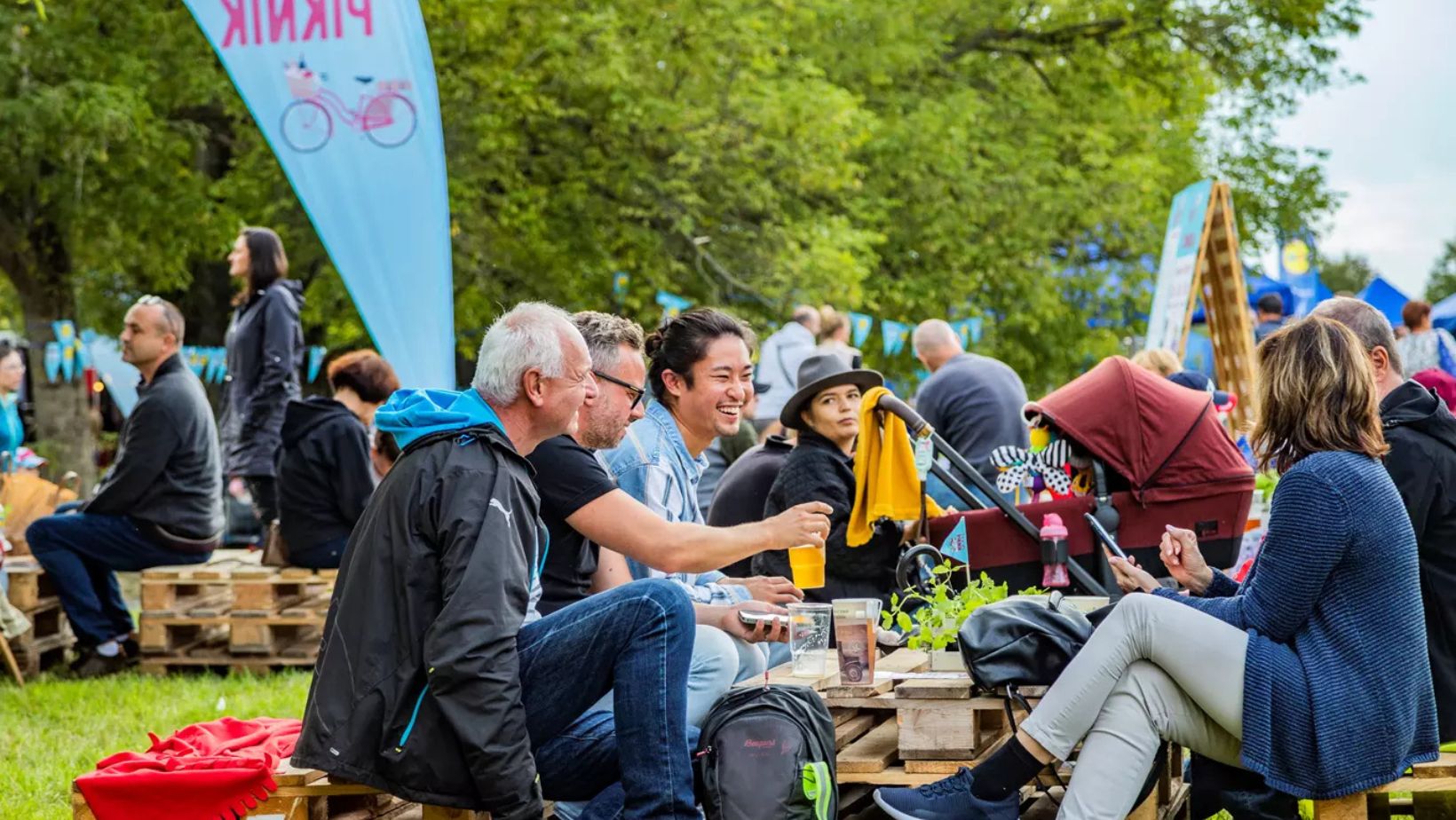
Part of what makes it so intense is how easily it builds itself through small sensory triggers, like the sound of clinking glasses in outdoor cafés, linen fabrics catching wind in TikTok clips, or that oddly specific golden-hour lighting that makes everything look like a memory even when it’s happening in real time. Suddenly, normal routines feel heavier, not because anything is wrong with them, but because they’re being compared to an idealized version of movement and freedom that Euro summer content keeps reinforcing, where time doesn’t feel segmented into productivity blocks but instead flows like one continuous scene.
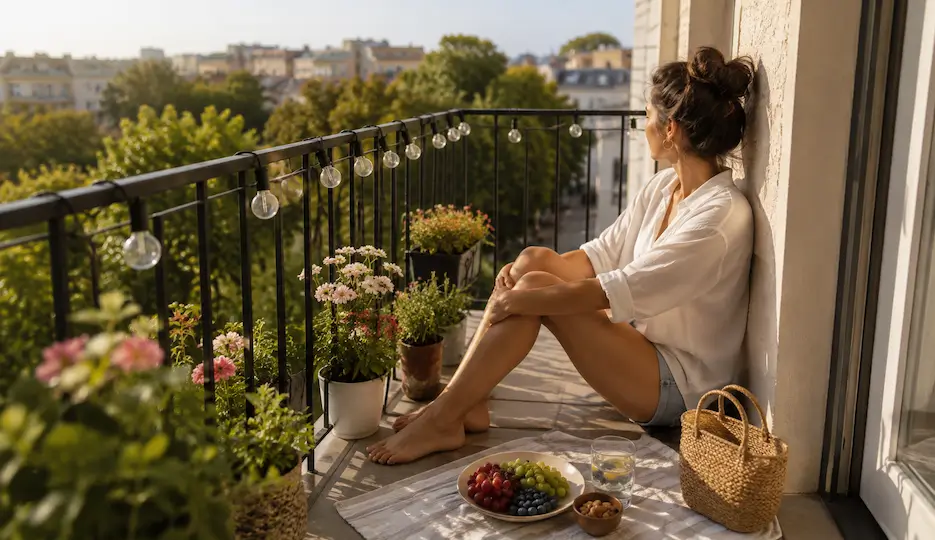
And then there’s the social layer of it, because everyone online seems to be somewhere else, living slightly more aesthetic versions of life, which makes staying still feel almost like you’re missing out on something intangible. But what’s interesting is that most people don’t actually want a different life; they just want a different pace, a different texture to their days, something less rigid and more alive, even if that “alive” simply means eating fruit on a balcony or walking back from the beach with salt still in your hair and no urgency to be anywhere else.
The funny thing is, once you start imagining it too much, your current surroundings begin to feel a little cinematic in their own way as well, like sunlight hitting your floor at the right angle suddenly feels like it could belong in the same universe as those Mediterranean streets, and your coffee in the morning starts to feel slightly more intentional just because you decided to slow down while drinking it. That’s the real trick of the Euro summer feeling: it doesn’t always require you to leave immediately; it just rewires how you look at time and softness in general.
Still, the desire to actually go doesn’t disappear; it just sits there quietly, building into saved folders, pinned destinations, and outfits mentally planned for a trip that may or may not be booked yet. And somewhere in that imaginary suitcase, the details start to matter more than expected, not in a materialistic way, but in a sentimental one, like what you would bring that would feel like part of your identity rather than just something practical.
Eventually, the “I need a Euro summer” feeling stops being just about Europe altogether and becomes more about wanting presence, wanting days that don’t feel overly structured, and wanting to experience life in a way that feels slightly more open-ended. It’s less about escaping and more about expanding, even if that expansion starts with something as small as changing how you move through your own city, how you notice light, or how you choose the things you keep close to you while everything else keeps changing around you.