Auleria Wakudumo
The Kavango West region remains Namibia’s poorest region, with severe deprivation continuing to affect communities despite progress in education, infrastructure and regional administration.
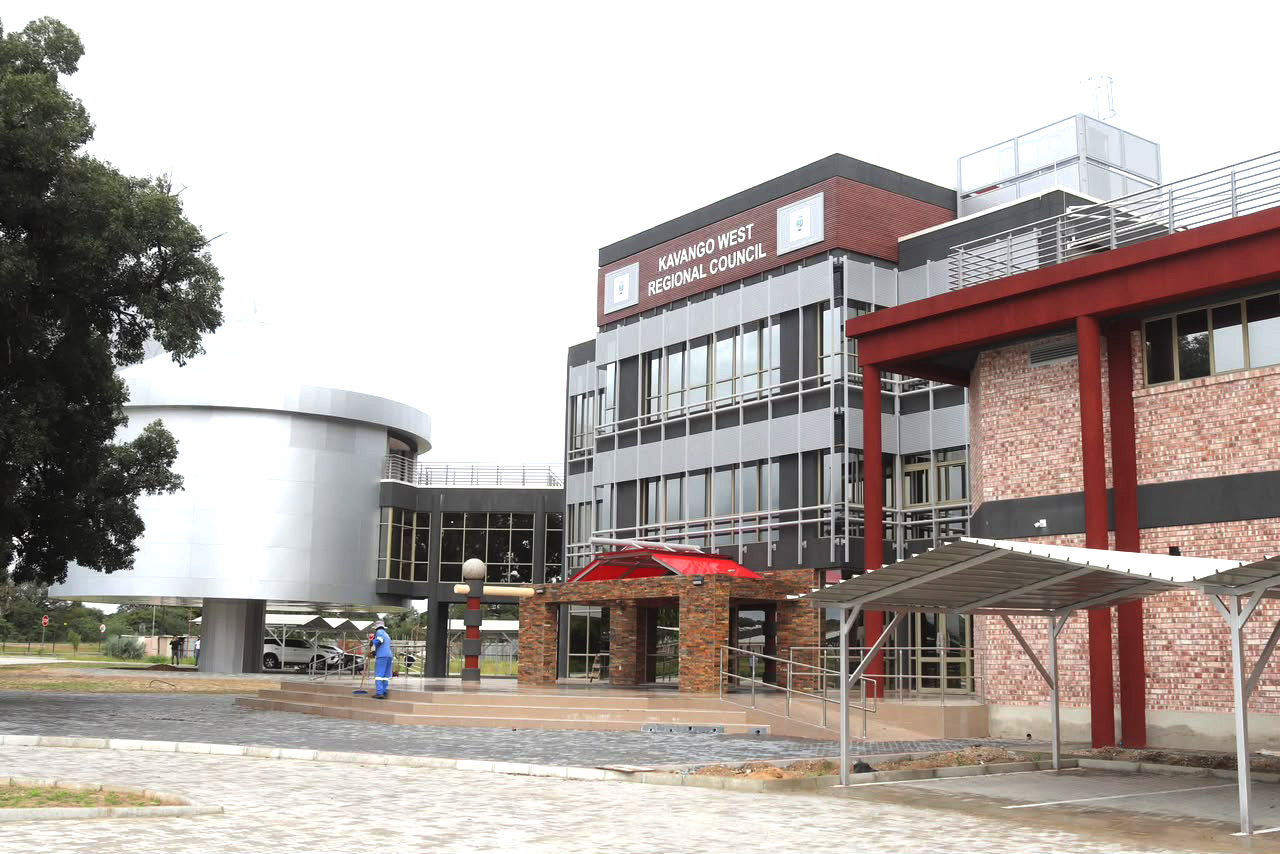
The Kavango West Regional Council, in its regional report submitted recently to the National Council, describes the region as Namibia’s youngest, most underdeveloped and yet one of its most promising regions. It stated that poverty, unemployment, inadequate infrastructure and limited economic activity continue to constrain development.
The region’s multidimensional poverty rate stands at 79.6%, the highest in the country.
The figure comes from Namibia’s Multidimensional Poverty Index, which measures deprivation beyond income, including access to basic services and living conditions.
The 2021 MPI report found Kavango West had the highest multidimensional poverty incidence among Namibia’s 14 regions, with an MPI value of 0.386.
The latest labour force figures from the Namibia Statistics Agency (NSA) paint an equally difficult picture. Kavango West recorded an unemployment rate of 52.8%, while youth unemployment stood at 58.1%. The region’s challenges are particularly significant because its population is growing rapidly.
According to the NSA’s 2023 Population and Housing Census, Kavango West had a population of 123 266 people, comprising 59 420 males and 63 846 females.
This is an increase from 86 529 people recorded in 2011, representing an annual population growth rate of 2.9 per cent.
The census also shows that the region remains overwhelmingly rural.
About 91.5% of its population lives in rural areas, compared with only 8.5% in urban areas. The population is also relatively young, with 30.9% aged between 15 and 34 years, while 28.8% are aged between five and 14. This youthful and growing population places additional pressure on the region to create jobs, expand schools, provide health services and extend electricity, water and road infrastructure.
The regional report states that out of 405 villages, 310 have no access to electricity. It further says 88% of households use wood for cooking, while only 20.4% use electricity.
The report argues that rural electrification has largely focused on government institutions such as schools, clinics and offices, while many communities remain without electricity.
Water
Water access presents another major challenge.
The report states that 140 of the region’s 405 villages remain without water provision, while 20% of the population travels at least 31 kilometres to obtain water.
Many communities depend on the Kavango River, often using untreated water shared with livestock.
The region has drilled more than 50 boreholes since its establishment but says this has not been enough. It is calling for bulk water pipelines along major routes, including Rundu-Mururani, Rundu-Mpungu and the Rundu-Elundu corridor.
The report cites the 2023 census as showing that 78% of the region’s population has no sanitation facilities.
No hospital
Health services remain inadequate despite the region’s growing population. Kavango West still has no intermediate hospital, meaning serious cases are referred to Rundu.
The proposed Nkurenkuru District Hospital has been a long-standing concern. Its groundbreaking ceremony was held in November 2014, but the project remained stalled for years.
The regional council said the hospital is urgently needed because referrals to Rundu are costly and residents in some parts of the region travel more than 30 kilometres to access health facilities. The region also faces shortages of doctors, nurses, dentists and pharmacists as well as medical equipment and transport.
Infrastructure constraints extend to roads. The report further said agriculture is the backbone of the regional economy, but farmers struggle to move their produce to markets because many inland areas lack feeder roads. With a growing population of more than 123 000 people, a predominantly rural settlement pattern and a young population demanding jobs and services, the report argues that development investment must be accelerated.
–[email protected]