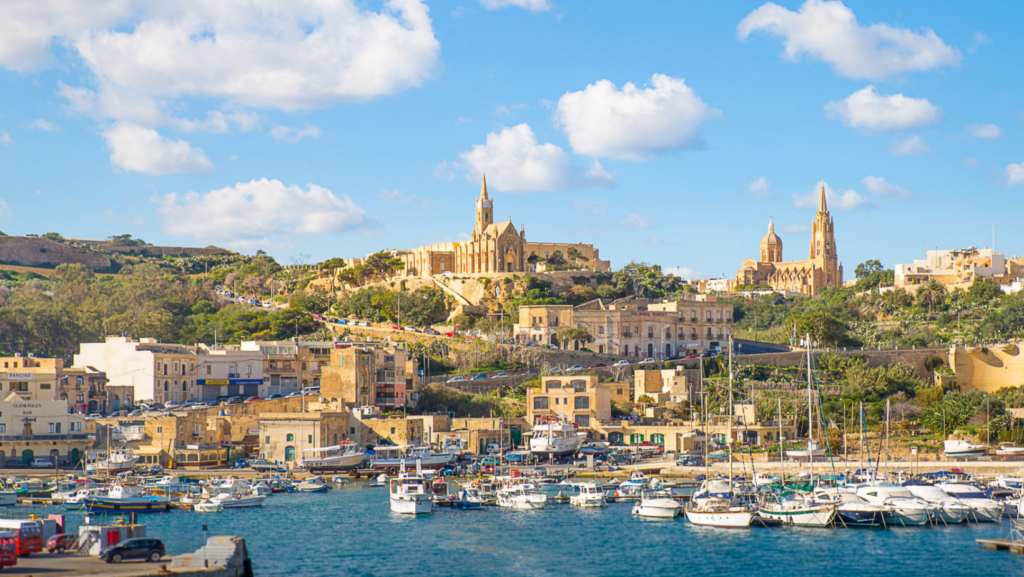
Mgarr Harbour used to empty out by 9pm. Not anymore. Walk down to the ferry terminal on a Tuesday night in August 2026 and you’ll still find laptops open in the café next door, a handful of remote workers finishing a call with a client in Berlin or Toronto while the last Gozo Channel boat idles at the dock. Gozo has always sold itself as the sleepy sibling, the island where nothing much happens after dark. That reputation is starting to crack.
The shift didn’t happen overnight. It crept in through fibre broadband upgrades, a wave of digital nomads chasing lower rents than Sliema or St Julian’s, and a pandemic-era habit of working from anywhere that never fully went away. Xewkija and Nadur, villages that once rolled up the pavements by sunset, now host coworking spaces with names that sound more Berlin than Bormla. The island’s government even poured money into an innovation hub meant to anchor this new economy, the €9 million project only houses four companies so far. Growing pains, clearly. But the appetite is real, even if the infrastructure hasn’t caught up yet.
What Gozitans Actually Do After the Ferry Stops Running
Here’s the thing about Gozo nightlife: there isn’t much of it, at least not in the Paceville sense. No late-night clubs stacked three deep with tourists. No 4am kebab queues. Once the last ferry crossing wraps and the day-trippers head back to Cirkewwa, Gozo settles into something quieter. For the growing population of remote workers who’ve relocated here specifically to escape that Malta-side noise, the question becomes what to actually do with a free evening on a 67-square-kilometre island.
The answer, for a lot of them, has moved online. Streaming a match, gaming with friends back home, or spending an hour on a well-regulated platform has become the default wind-down after a long video call day. It’s not a coincidence. When your social circle is scattered across time zones and the nearest late bar is a twenty-minute drive on unlit roads, digital entertainment fills the gap that used to be filled by physical nightlife.
That’s especially true for anyone gambling recreationally, since Malta’s regulatory framework (overseen by the Malta Gaming Authority, one of the more established licensing bodies in Europe) means residents don’t have to gamble on obscure offshore sites to get a fair, secure experience. For Gozo-based remote workers weighing their options from a laptop in Xagħra or a rented flat in Marsalforn, finding the best online casinos Malta has to offer usually comes down to licensing transparency, game variety and how quickly a withdrawal actually clears once you’ve cashed out for the night.
Gambling only works as entertainment when it’s treated as exactly that. Play what you can afford to lose and treat the rest as background noise to an otherwise busy remote-work day.
The Coworking Boom Nobody Saw Coming
Five years ago, Gozo had maybe two spaces you could call co-working hubs. Now there are close to a dozen, scattered from Victoria down to the coastal towns. Some are converted farmhouses with exposed limestone walls and questionable WiFi. Others are genuinely slick, with dedicated call booths and standing desks.
The demographic shift is the interesting part. It used to be retirees and second-home owners who made up Gozo’s foreign population. Now it’s twenty-somethings and thirty-somethings on Malta’s nomad visa scheme, drawn by rents that run 30 to 40 percent lower than comparable flats in Sliema. A one-bedroom in Nadur can still go for under €700 a month, which is unheard of on the main island at this point.
That price gap matters more than people admit. Cheaper rent means more disposable income and more disposable income means more spent on the entertainment that fills evening hours. Streaming subscriptions. Gaming setups. The occasional weekend trip back across the channel for a proper night out in Paceville, precisely because Gozo doesn’t offer that same rush.
Slower Doesn’t Mean Boring, It Means Deliberate
Ask any Gozitan who moved back after a decade in Malta or abroad and they’ll tell you the same thing: the pace here isn’t a bug, it’s the entire point. Sunset drinks at Xlendi. A walk along the Ta’ Ċenċ cliffs. Sunday lunch that runs four hours because nobody’s rushing back to an office.
But deliberate doesn’t mean disconnected. The same remote workers who chose Gozo for its quiet are often the most digitally plugged-in people on the island, simply because their entire livelihood depends on a stable connection and a laptop. Ironically, the island that feels furthest from Malta’s buzz has some of the fastest fibre speeds in the archipelago, a direct result of infrastructure investment tied to attracting exactly this kind of resident.
Local cafés have noticed. Owners in Victoria say laptop-toting customers now outnumber tourists on weekday mornings, a reversal nobody predicted even three years ago.
Where This Goes From Here
Gozo isn’t about to become Malta’s Silicon Valley, and nobody serious is claiming it will. What’s happening is smaller and more interesting than that: a genuine, organic shift in how a traditionally sleepy island fills its evenings, driven by a population that chose it specifically for the quiet and then had to build a digital life around that choice.
Whether that means more co-working spaces, faster fibre rollouts beyond Victoria, or simply more people discovering that Gozo’s version of a night out is a lot less loud than Malta’s, the island’s identity is quietly being rewritten. Not by tourism boards or government press releases, but by a few thousand people who decided the ferry ride was worth it.
Frequently Asked Questions
Why are remote workers choosing Gozo over Malta? Lower rents, quieter surroundings and improved fibre broadband make Gozo attractive for people who can work from anywhere. A one-bedroom flat often costs 30 to 40 percent less than an equivalent in Sliema or St Julian’s, freeing up budget for other entertainment and lifestyle choices.
Is Gozo’s internet infrastructure actually reliable enough for remote work? Fibre coverage has expanded significantly across Victoria, Nadur and Xagħra in recent years. Most coworking spaces advertise dedicated business-grade connections, though rural pockets still lag behind Malta’s main island in consistency.
What do people in Gozo do for entertainment at night? Options are quieter than Malta’s Paceville scene. Locals and remote workers lean toward home-based entertainment, cafés that stay open late and occasional trips back across the channel for a livelier night out.
Has the Gozo innovation hub actually created jobs? Progress has been slower than promised. As of 2026, the €9 million hub reportedly houses only four companies, though officials maintain the project is still in an early growth phase.
Do Gozo residents need to travel to Malta for better digital entertainment options? Not really. Faster broadband means most digital entertainment, whether streaming, gaming, or regulated online platforms, works just as well from a Gozo living room as it does from a Sliema apartment.
Gozo’s transformation is happening in co-working spaces and quiet cafés, not headline-grabbing tech campuses and that might be exactly why it’s working.