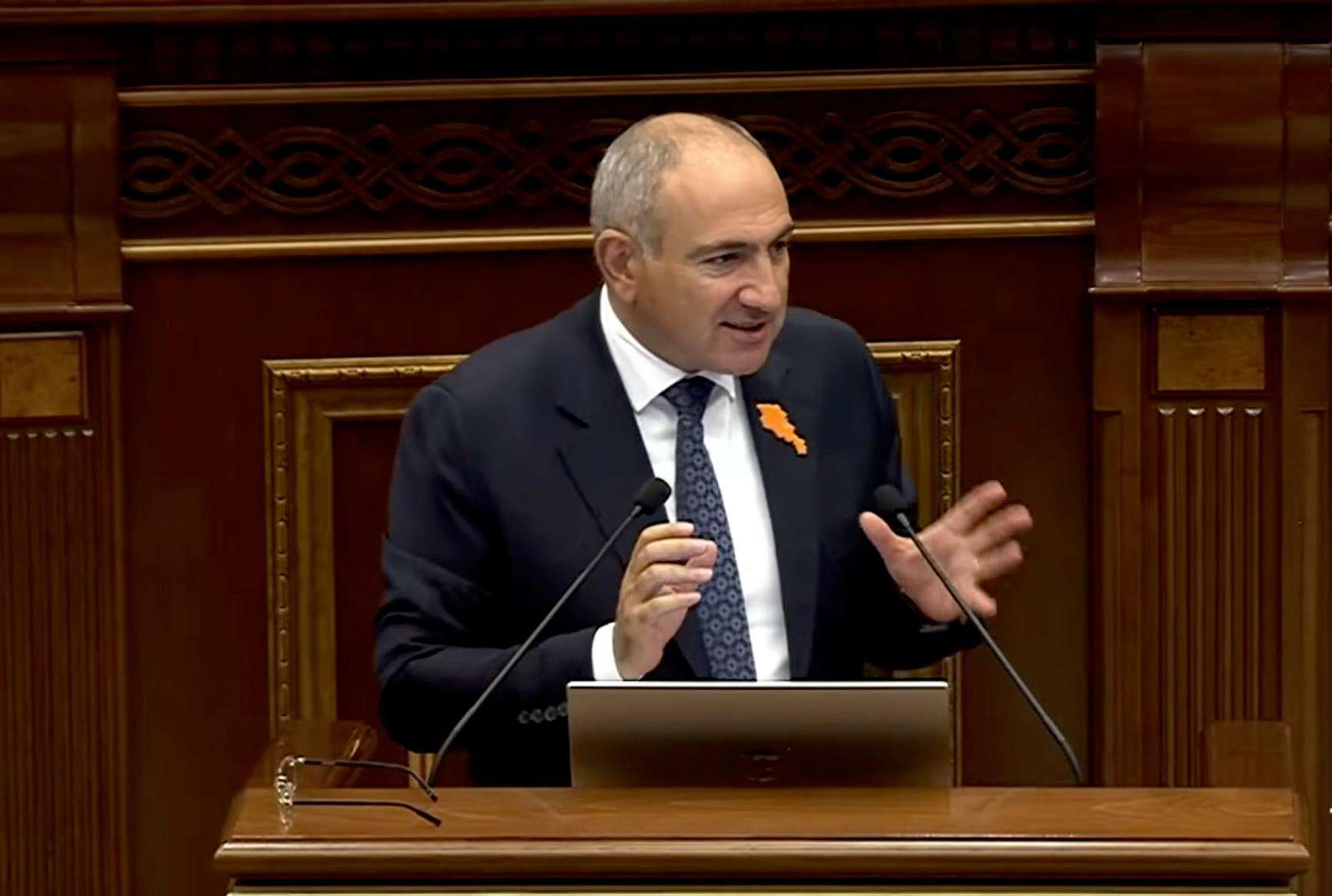
Armenian Prime Minister Nikol Pashinyan stated that he would be “very pleased” if the Collective Security Treaty Organization (CSTO) expelled Armenia from its ranks.
“
“I will be very pleased if they decide to expel Armenia from the CSTO. In any case, it would free us from the dilemma of whether to leave or not. Our interest in the CSTO is exhausted,” he said while presenting the government’s program to parliament.
Pashinyan added that the possibility of expelling a state is provided for in the CSTO charter. According to him, over the next five years, Yerevan does not plan to intensify its work in the organization or return to full participation in it.
In the Kremlin, commenting on the Armenian premier’s statement, they recalled that earlier statements from Yerevan indicated that Armenia does not intend to leave the CSTO for now.
“
“If Yerevan no longer needs membership in such an important organization for ensuring regional security due to its national interests, then it is free to make the appropriate decision and leave this organization,” RBC quotes Kremlin spokesman Dmitry Peskov.
Armenia announced a freeze on its participation in the CSTO in February 2024. Nikol Pashinyan previously suggested the possibility of the country’s withdrawal from the organization “if necessary.”
According to Russian Foreign Minister Sergey Lavrov, Armenia has not paid its contributions to the CSTO budget for two years. In June, he stated that member countries of the organization would consider the possibility of applying “the appropriate article of the organization’s charter” to Yerevan.
According to the CSTO charter, measures can be applied to Armenia up to and including deprivation of voting rights or expulsion from the organization.
Against the backdrop of cooling relations with the CSTO, Armenian authorities have consistently declared in recent years their course toward rapprochement with the European Union. Moscow, in turn, notes that it considers Armenia’s simultaneous participation in EU integration projects and the Eurasian Economic Union (EAEU) to be incompatible.