File photo: ACN
By Eloy Viera Cañive (El Toque)
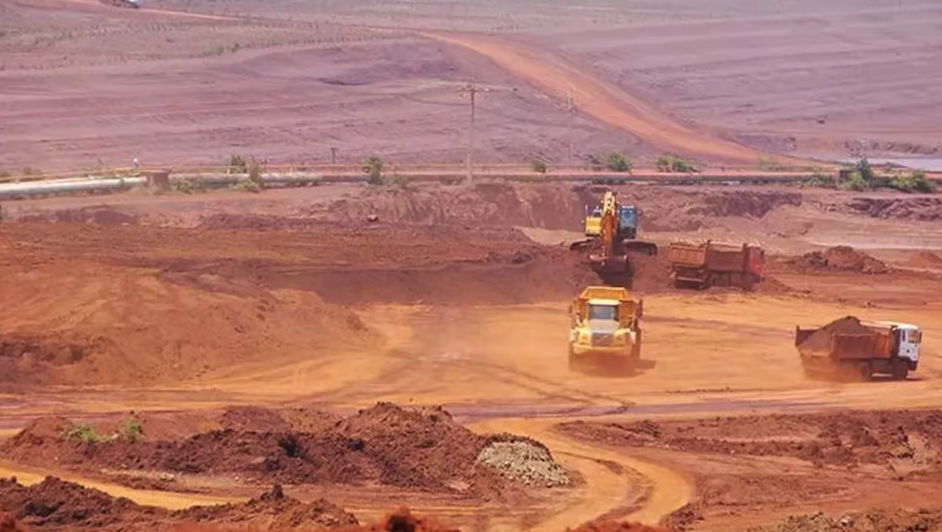
HAVANA TIMES – For months, a commercial chess match has been playing out that began in Cuba but now has pieces spread across four continents. In Toronto, there is a mining company on the brink of collapse: Sherritt International. In Washington, a White House determined to referee who wins. In Texas, a firm with an exclusivity agreement that expires in October. And from London and Geneva, a commodities giant that smells the opportunity of a lifetime. At the center of the board is Moa, in Holguín: home to one of the few deposits of military-grade cobalt in the Western Hemisphere that remains outside Chinese or Russian control.
The issue is that Sherritt is selling more than half of the company in an attempt to survive. Its downfall deepened on May 1, 2026, when Washington expanded its sanctions against the Cuban regime and directly targeted Moa Nickel S.A., the joint venture Sherritt had operated with the Cuban state for more than 30 years. The Canadian company suspended its direct participation in joint activities on the island and repatriated its foreign personnel; three directors, including the board chairman, resigned immediately.
But the problems predated that. The Fort Saskatchewan refinery in Alberta — the only cobalt refinery and one of just three nickel refineries in all of North America — was already suffering from shortages of ore and production disruptions caused by the blackouts and fuel shortages that had plagued the island since before January 2026. Following the blow in May, Sherritt’s shares plunged by as much as 30%, and the company’s market value fell to barely CAD $120 million, compared with a historic peak of nearly CAD $4.8 billion.
Two Suitors, One Problem
The first prospective buyer to emerge was Gillon Capital, the Texas family office of Ray Washburne, a businessman who headed the Overseas Private Investment Corporation during Trump’s first term and later served on the president’s intelligence advisory board during his first presidency. In May 2026, Sherritt signed a preliminary, non-binding agreement with Gillon under which the Texas firm could acquire 55% of the shares through a purchase warrant exercisable within nine months, with exclusive negotiating rights through October.
Shortly afterward, a second player entered the game with a more complex structure: a consortium led by Kyma Capital, a London-based fund that already owns 13% of Sherritt’s common shares, together with investor Trifon Natsis, co-founder of Brevan Howard, and Swiss giant Glencore, which would contribute technical expertise in nickel and cobalt refining and marketing. All of them know that, for Washington to bless any transaction, they need a US “anchor.” According to the US-Cuba Trade and Economic Council, such a partner exists but has asked to remain anonymous, raising doubts about the strength of its commitment.
The battle between the suitors has spilled into the courts. On August 18, Kyma — already a Sherritt shareholder — called a special meeting of the Canadian company’s shareholders for September 29 on its own initiative, invoking Canadian corporate law. Its aim is to try to force an agreement that would advance its bid to acquire control of Sherritt.
Sherritt International’s board responded the following day by declaring Kyma’s call for the meeting invalid, since it had already scheduled its own meeting for December 15 in connection with the negotiations with Gillon. Kyma took the dispute to the Ontario Superior Court of Justice. On August 20, the court clarified that it could not compel the meeting to be held within the timeframe sought by the British fund, although it expects to decide by late September whether the shareholder meeting scheduled for December should be moved forward.
Why Does Washington Care So Much?
Many experts agree that Washington’s interest has a name: cobalt.
The Department of Defense is seeking to purchase about 7,480 metric tons of alloy-grade cobalt for roughly $500 million to rebuild its strategic reserves, in a market where the United States has very little domestic refining capacity. Against that backdrop, sources in the Trump administration have indicated that Washington would prefer Sherritt to end up under the control of a US-based entity, so that Cuban ore would be directed to U.S. markets and, in particular, to military applications in the country.
Paradoxically, however, the embargo policy that has been a mantra in US-Cuba relations for the past six decades could pose an obstacle to the administration’s purported interests.
The Helms-Burton Act, in effect since 1996, allows lawsuits in federal courts against anyone who “traffics” in property confiscated by the Cuban regime after 1959, and its reach has expanded following recent Supreme Court rulings.
In fact, the most recent lawsuit filed under Helms-Burton involves Sherritt. It was brought by Atlas Holdings, owner of Office Depot and the rights to the former Cuban Electric Company. On July 29, 2026, it sued Cuba’s Union Electrica and Energas — the joint venture that until May operated alongside Sherritt — for $267.5 million plus 6% annual interest dating back to 1960, an amount that, with triple damages under Title III, could rise to approximately $802.7 million. The lawsuit was filed by the law firm Steptoe LLP, the same firm representing ExxonMobil in its litigation against the Cuban companies Cimex and Cupet, a case already backed by the Supreme Court.
The paradox is clear: whoever acquires control of Sherritt would not only acquire rights related to the Moa mines, but also direct exposure to dozens of claims under the Helms-Burton Act. And unlike what occurred in the cruise-line cases, the Supreme Court has already established that an executive-branch license does not prevent affected parties from suing under Title III. In other words, even if the White House gives the green light to Gillon or to the Kyma-Glencore consortium, that would not automatically shield the buyer from legal liability under the law codifying the US embargo against Cuba.
What Comes Next
While the prospective buyers battle it out, the value of Sherritt’s shares has risen, which — paradoxically — also increases the book value of Cuba’s stake in the joint venture and in the Alberta refinery, reducing, in percentage terms, the debt Havana owes the company. If a definitive purchase is not completed before October 12, when Gillon’s exclusivity period expires, many analysts believe Sherritt could be forced to seek protection under Canada’s Companies’ Creditors Arrangement Act, the Canadian equivalent of Chapter 11 of the US Bankruptcy Code.
Whatever the outcome, one thing will not change: the mining operation in Moa will remain a 50-50 partnership with the state-owned General Nickel Company, and Havana will remain co-owner of one of the most coveted cobalt assets in the Western world.
First published in Spanish by El Toque and translated and posted in English by Havana Times.
Read more from Cuba here on Havana Times.