Russia has spent this summer in a state of growing uncertainty over the future. President Vladimir Putin remains determined to carry on with the war against Ukraine until reaching whatever he considers to be a victory, but most of the ruling elites and wider society are increasingly anxious about the absence of a clear exit strategy amid the lack of meaningful successes on the battlefield.
Their anxiety is further fuelled by Ukraine’s intensifying strikes against Russian oil refineries and online retail warehouses. The resulting gasoline shortages and bankrupting of small businesses is causing many Russians to experience firsthand the mounting costs of the war.
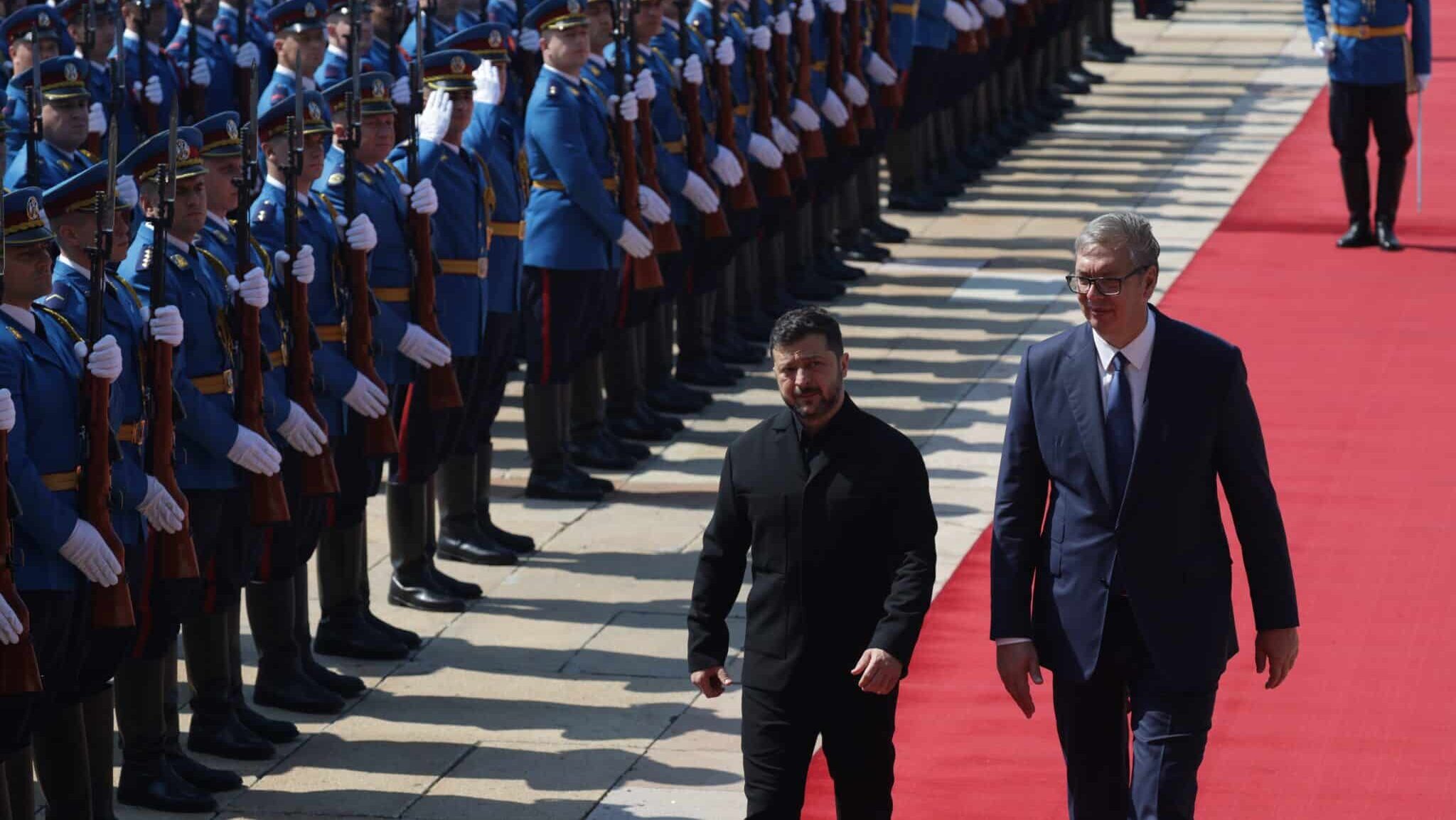
The mood shift in the Russia-Ukraine war has also been felt in the Balkans, where Kyiv has scored a major public relations victory. On August 8, Ukrainian President Volodymyr Zelensky was hosted in Belgrade by his Serbian counterpart Aleksandar Vucic, despite the latter being widely perceived as Moscow’s most faithful ally in Europe. Officially, the two leaders met to discuss energy cooperation and humanitarian assistance, but it was arms deals that were on everybody’s minds.
Vucic publicly invited Zelensky to attend the upcoming opening of Serbia’s new drone production facility, constructed in cooperation with Israel. Simultaneously, leaks to the German press suggested that Serbia and Ukraine have gone as far as to plan the joint production of drones in Serbia to boost Kyiv’s military efforts.