Auleria Wakudumo
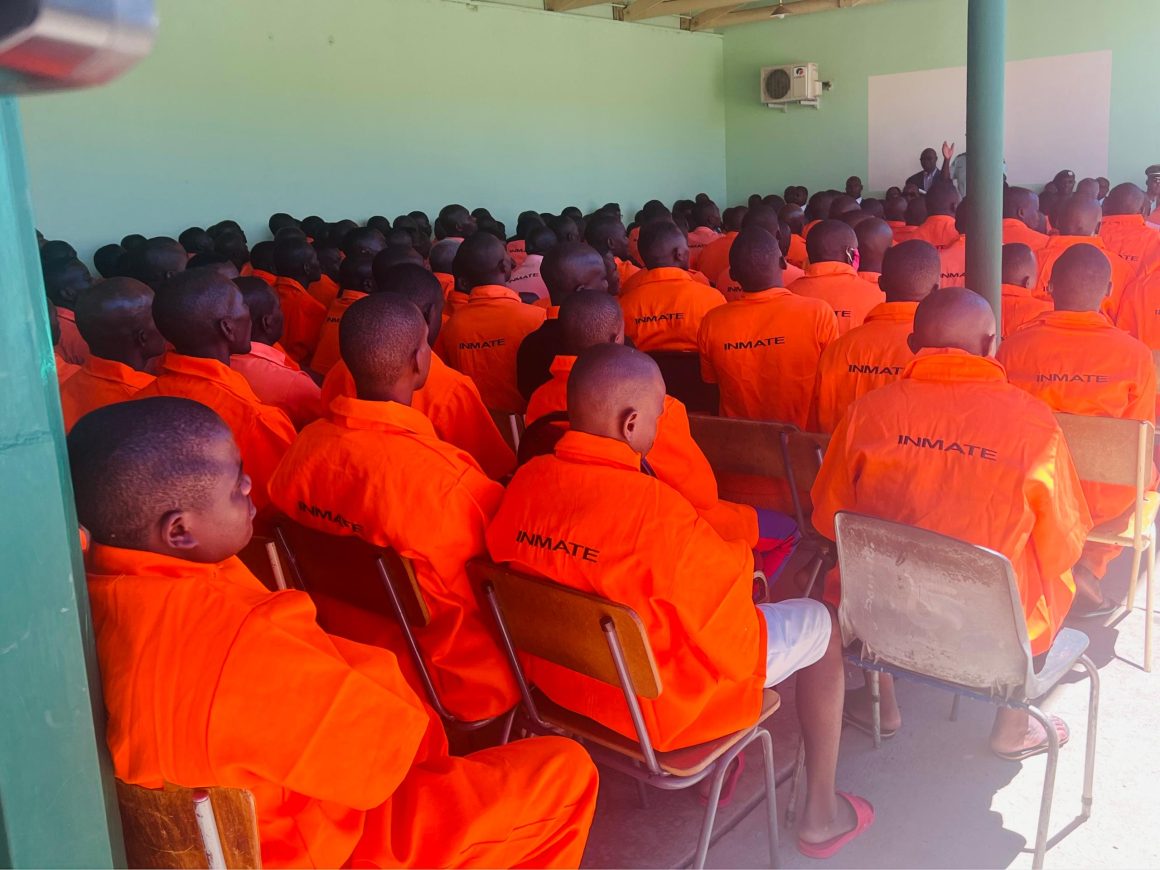
The Ministry of Gender Equality and Child Welfare continues to strengthen its juvenile justice services through the screening and diversion of children in conflict with the law.
This is part of broader efforts to protect children and promote their well-being.
According to the ministry’s presentation to the National Council, juvenile justice is among its childcare and protection programmes and services. The ministry provides screening and diversion of children in conflict with the law, as well as pre-sentence impact mitigation reports.
The services are aimed at ensuring that children who come into conflict with the law are assessed and receive appropriate interventions within the child protection system. The ministry’s juvenile justice programme forms part of a wider child-care and protection framework that includes services for children who have experienced
violence, children requiring alternative care and children living and working on the streets.
The ministry’s mandate is to ensure gender equality and equitable socio-economic development of women and men, as well as the well-being of children.
Its vision is to create a nation that upholds gender equality, equity and the well-being of children.
Child protection
The ministry provides statutory services to children who have experienced violence and are found to be in need of protective services. It also provides alternative care for children who are in need of parental care and supervision.
These services include adoption, foster care, kinship care and residential child-care facilities.
The ministry further provides psychosocial support to children living and working on the streets as well as their parents. The support includes interventions aimed at reintegrating children into their families and schools, together with after-school programmes and sports activities.
These interventions form part of the Ministry’s efforts to improve care and protection for children, which is also identified as a focus area under the Sixth National Development Plan.
GBV response
Under its Violence Against Children and Trafficking in Persons Prevention and Response Programme, the Ministry provides early intervention and prevention services, as well as psychosocial support to survivors.
The programme also provides shelter services and statutory services for children who have experienced violence and require protection.
The ministry’s Gender Mainstreaming, Gender Advocacy and Mobilisation Programme is designed to address persistent gender inequalities and promote equity and equal opportunities for women, men, girls and boys. It also places a strong focus on empowering women and girls across sectors.
Gender gains
Despite the challenges facing the ministry, the presentation records several achievements in gender equality.
Namibia scored 0.811 on the Global Gender Gap Index 2025, ranking eighth globally and first in Africa.
The ministry also reviewed the National Gender Policy 2010–2020 and developed the National Gender Equality and Equity Policy 2023–2030 which was approved by Cabinet.
It further developed coordination mechanisms for implementing the National Gender Policy and the GBV Plan of Action.
Gender mainstreaming has also been strengthened in the programmes and budgets of offices, ministries and agencies.
The ministry reported that it intensified GBV campaigns and conducted men’s conferences in at least three regions, attracting more than 1 000 men per region.
Other achievements include the development of the Combating of Trafficking in Persons Act 1 of 2018, the launch of the Namibia National Plan of Action on Women, Peace and Security and Women in Politics Capacity Building.
Economic risks
The ministry, however, faces several risks that could affect implementation of its strategic plan.
It identified the unfavourable economic climate, including high unemployment, inflation and an increase in social problems as factors that could negatively influence the services it provides.
Stakeholder cooperation is another concern, as implementation of the strategy is highly stakeholder-driven.
The ministry warned that stakeholder lethargy or non-cooperation could hamper implementation efforts. Natural disasters and pandemic outbreaks were also identified as risks. Climate change, particularly drought and flash floods could affect the livelihoods of Namibians and place additional pressure on social services.
Digital threats
According to the presentation, regional and international political tensions, trade restrictions or military conflicts involving key stakeholders could create an environment that hampers implementation of the strategic plan.
The ministry also identified cyberattacks as a significant risk because of its increasing reliance on digital infrastructure and technology. The ministry has decentralised several functions to all 14 regional councils.
These include community development, early childhood development, gender equality and research, child welfare services, old-age grants, disability grants and funeral benefits.
In cooperation with the Ministry of Urban and Rural Development, the ministry developed sector specific service delivery standards to assess service delivery by regional councils.
[email protected]