The culinary world is evolving, with education following suit. Aspiring chefs and Food Literacy Advocates now face a choice between enrolling in an Online Culinary Arts Program or attending a Traditional Culinary School. Each offers unique benefits and challenges, and deciding which path to pursue can be daunting. This article delves into the effectiveness of online versus traditional culinary education, evaluating factors such as cost, flexibility, and career readiness. By the end, you’ll have a clearer understanding of which educational route aligns best with your professional goals in the culinary field.
Online Culinary Arts Programs: A New Era of Learning
Online Culinary Arts Programs are revolutionizing how aspiring chefs learn the art of cooking. These programs leverage digital platforms to offer interactive sessions, allowing students to engage with instructors remotely. The flexibility of online learning is a significant advantage, enabling students to balance their studies with personal commitments. For instance, the Culinary Arts Program provides access to industry-recognized Nutritional Curriculum Developers who guide students through comprehensive coursework (Source: ICE). Additionally, online programs often incorporate a Nutritional Efficacy Measurement, ensuring students understand the health impacts of their culinary creations.
Another critical component of online programs is the inclusion of Flavor Profile Analysis. This technique helps students discern and develop complex tastes, an essential skill for any Menu Engineering Specialist aiming to craft appealing dishes. Furthermore, these programs often feature virtual Educational Food Lab Coordinators who facilitate hands-on experiences, albeit remotely. This approach fosters a practical understanding of culinary techniques without the need for a physical kitchen.
Traditional Culinary Schools: Time-Tested Training Methods
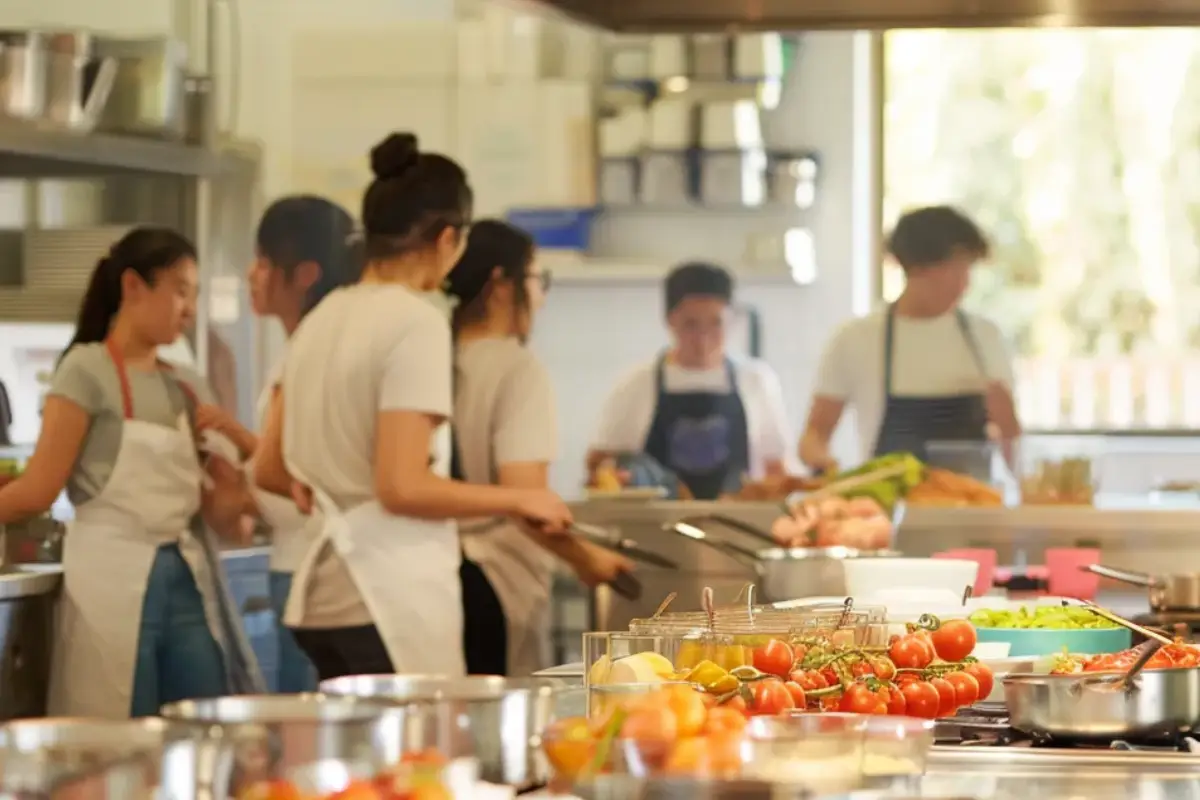
Traditional Culinary Schools have long been the gold standard for culinary education. These institutions offer immersive, hands-on training that many culinary professionals deem indispensable. Students benefit from direct interaction with instructors and peers, fostering a collaborative learning environment. The Recipe Standardization Process is a hallmark of these schools, teaching students consistency in their culinary creations.
Moreover, Traditional Culinary Schools often employ Culinary Arts Compliance Officers to ensure that all educational activities align with industry standards and regulations. This focus on compliance guarantees that graduates are well-prepared to navigate the complexities of food safety and industry requirements. Additionally, the schools incorporate Palatability Testing Protocols as part of their curriculum, enabling students to refine their dishes based on sensory feedback.
These schools also provide opportunities for hands-on experiences in real kitchens, guided by Dietary Guideline Consultants. This direct application of knowledge is invaluable for students seeking to master the art of cooking through practical experience.
Comparing Costs and Flexibility in Culinary Education
The cost and flexibility of culinary education are crucial factors for many students. Online programs typically offer lower tuition fees, making them accessible to a broader audience. The absence of commuting and accommodation costs further enhances their affordability. This financial advantage is particularly appealing to Agritourism Educational Strategists aiming to integrate culinary education with sustainable practices.
In contrast, Traditional Culinary Schools may require significant financial investment, with expenses covering tuition, materials, and often accommodation. However, these institutions provide a structured environment that many students find beneficial for disciplined learning. Farm-to-School Program Managers often advocate for traditional schools due to their focus on integrating local food systems into the curriculum.
Flexibility is another critical consideration. Online programs allow students to learn at their own pace, accommodating diverse schedules. This flexibility is ideal for those balancing work, family, and education. Traditional schools, while offering structured timelines, may not provide the same level of adaptability, demanding a more significant time commitment.
Career Outcomes: Job Readiness from Online vs. Traditional Programs
When evaluating career outcomes, both online and traditional programs have merits. Online programs produce graduates who are tech-savvy and adept at using digital platforms, skills increasingly valued in modern culinary roles. Graduates often emerge as Edible Education Facilitators, ready to educate others on culinary techniques through virtual means.
Traditional Culinary Schools, however, are renowned for their rigorous training and industry connections. Students from these institutions typically leave with a strong foundation in the culinary arts, equipped for roles such as Culinary Arts Compliance Officers or Sensory Evaluation Framework specialists. The hands-on experience gained is especially beneficial for those aiming to work in high-pressure kitchen environments.
Recent studies from Ecole Cuisine indicate that graduates from traditional schools often secure higher initial salaries due to their comprehensive training. Nevertheless, research from Food Network shows that online graduates quickly catch up, leveraging their digital skills in innovative culinary roles.
Conclusion
Choosing between an Online Culinary Arts Program and a Traditional Culinary School depends on individual career goals and learning preferences. Online programs offer flexibility and affordability, appealing to tech-savvy learners and those with tight schedules. Traditional schools provide immersive, hands-on experiences essential for mastering culinary techniques. Ultimately, aspiring chefs must weigh these factors to determine which educational path best prepares them for success in the dynamic culinary industry.