Egypt’s presidential women’s health initiative has recorded more than 71.3 million visits for screening, follow-up care, and health awareness services since its launch in July 2019, the Ministry of Health and Population announced.
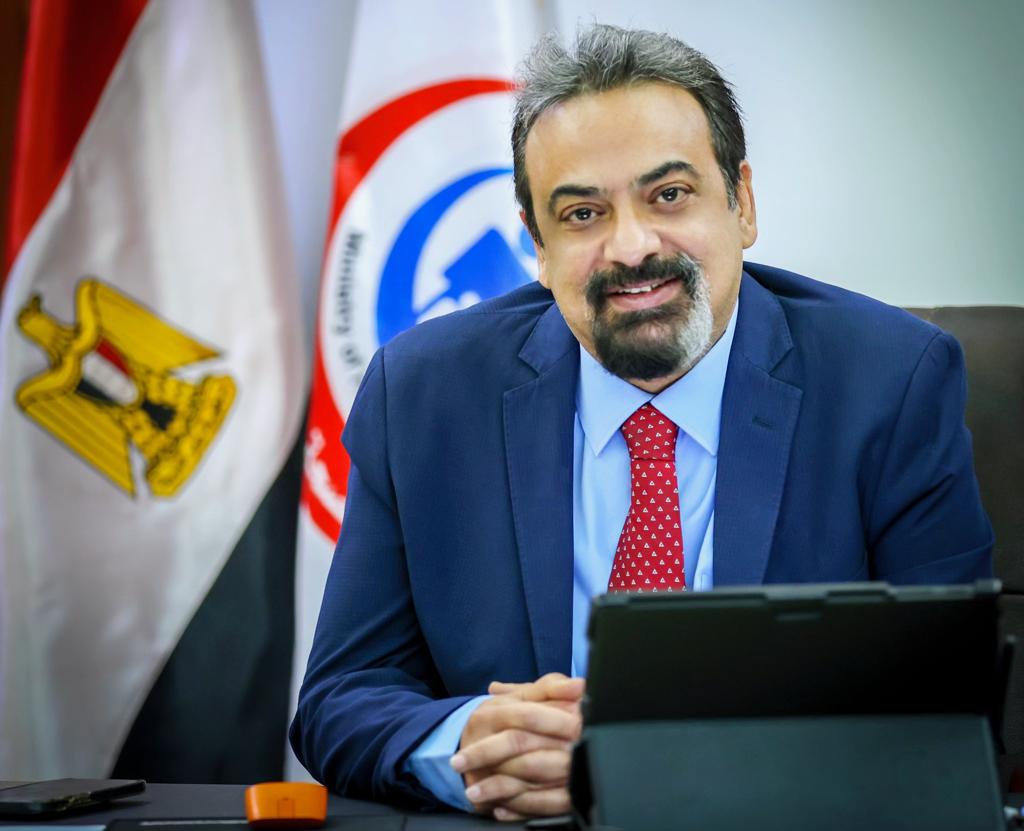
Ministry spokesperson Hossam Abdel Ghaffar said the total included approximately 23.5 million first-time visits, 34.1 million periodic follow-up visits, and 13.8 million other visits.
The initiative, launched under the presidential “100 Million Healthy Lives” campaign, targets women aged 18 and above, with a particular focus on the early detection of breast cancer. It also provides screening for non-communicable diseases, including diabetes and hypertension, measures body mass index (BMI), and offers health education on reproductive health, family planning, and lifestyle-related risk factors.
According to the ministry, 936,669 women have been referred to hospitals for advanced examinations. Screening and awareness services are provided free of charge through 3,663 healthcare units nationwide, while 102 hospitals receive cases requiring further diagnostic tests.
Hatem Amin, Executive Director of the initiative, said the programme has detected 39,488 cases of breast cancer since its launch. It has also conducted 525,126 mammograms and collected 60,657 tumour samples for pathological analysis, with confirmed patients receiving treatment free of charge.
The ministry added that mobile medical units have examined 162,407 women at primary healthcare facilities and carried out 65,007 diagnostic imaging examinations.
Breast cancer treatment is currently provided through 14 Ministry of Health centres and another 14 centres affiliated with the Supreme Council of University Hospitals. More than 30,000 doctors, nurses, radiology technicians, and pathology specialists have also received specialised training under the initiative.
The ministry encouraged women to undergo regular screening, stressing that early detection of breast cancer significantly improves treatment outcomes while reducing the burden on patients and the healthcare system.
Separately, the Ministry of Health and Population said more than 10.1 million children have undergone hearing screening under the presidential initiative for the early detection and treatment of hearing impairment in newborns since the programme was launched in September 2019.
According to the ministry, 71,577 children were referred for a second confirmatory hearing test after their initial screening. It noted that not passing the second test does not necessarily indicate hearing loss but signals the need for more comprehensive assessment.
The programme has provided cochlear implants to 3,318 children, fitted 13,567 children with hearing aids, and provided medication to 25,728 children.
The ministry added that the number of specialist referral hospitals and centres participating in the initiative has increased from 30 to 34, while newborn hearing screening services are now available through 3,825 healthcare units nationwide.
Screening is offered from birth until 28 days of age. The ministry said nursing teams have been trained to use otoacoustic emission (OAE) testing devices, while dedicated data-entry teams electronically register newborn information to build comprehensive digital health records.
The ministry also noted that hearing screening has been incorporated into official birth records as part of efforts to identify hearing impairment at an early stage and provide timely treatment before it affects children’s speech, language, and cognitive development.