Tonga is moving to strengthen the role of journalists in communicating climate change and environmental issues, with the Government and Tonga National University (TNU) working together to develop future media training programmes.
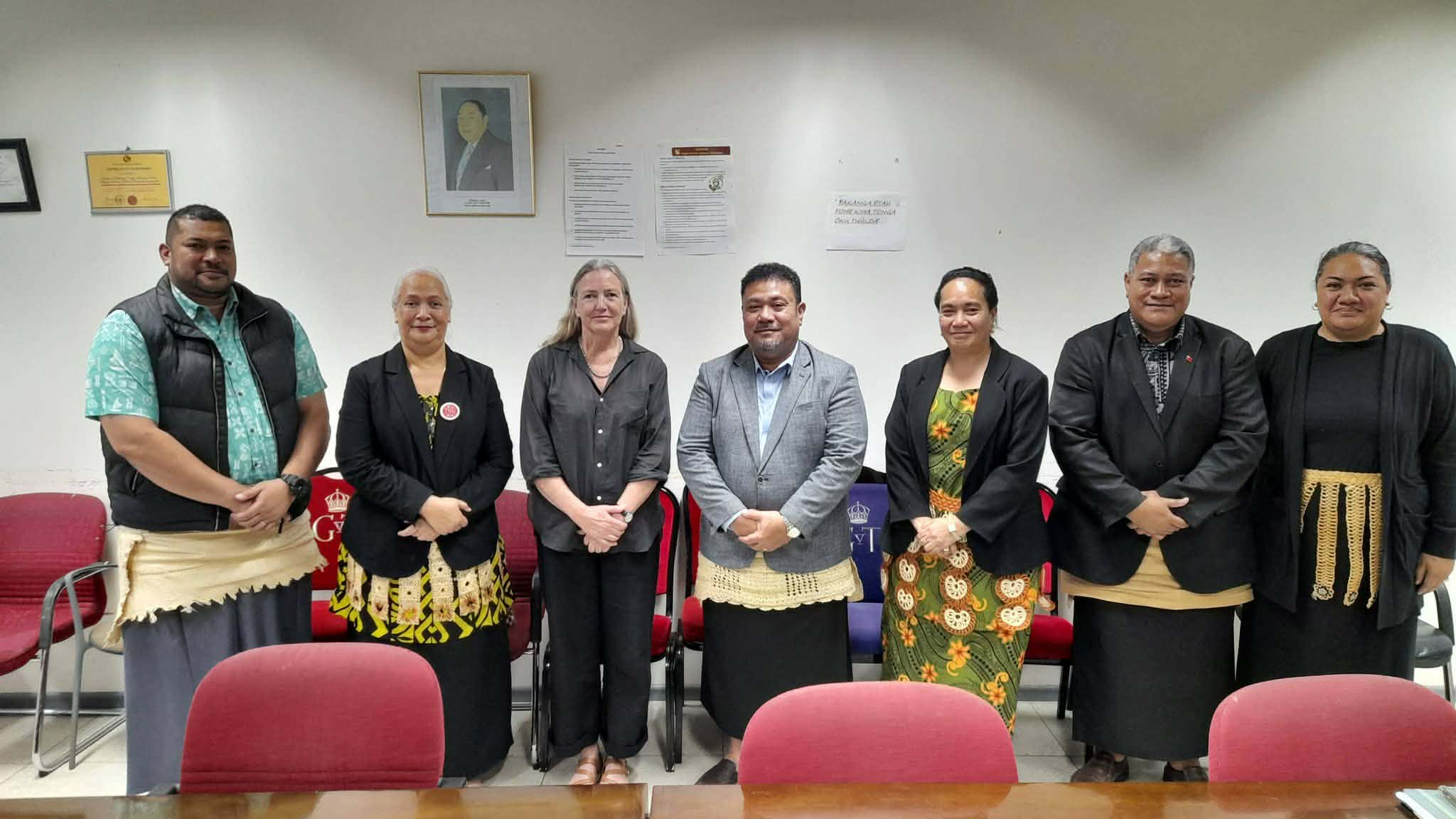
The Ministry of Meteorology, Energy, Information, Disaster Management, Environment, Climate Change and Communications (MEIDECC) held a stakeholder consultation yesterday to review existing media and journalism courses and discuss the development of a proposed Bachelor of Arts programme.
The consultation brought together MEIDECC officials, TNU representatives, including School of Media and Journalism Head Ms Nanise Fifita, and Professor Elizabeth Lester from the Monash Climate Communications Hub at Monash University, Australia.
The proposed programme aims to prepare future journalists to report accurately on climate change, weather information, early warning systems, disaster preparedness, environmental management, marine resources and sustainable development.
MEIDECC Chief Executive Officer Sione ‘Akauola said journalists would need a strong understanding of scientific information to help communities make informed decisions and respond to climate-related risks.
The consultation is part of a review of TNU’s existing Certificate Level 4 and Diploma Level 5 media programmes, which currently provide training in areas including news writing, reporting, ethics, investigative journalism and digital media.
Participants also highlighted the importance of incorporating traditional knowledge alongside scientific approaches, recognising the role of Tongan communities in building climate resilience.
Professor Lester said MEIDECC’s technical knowledge and practical experience would help ensure the proposed programme is relevant to Tonga’s national priorities.
The partnership comes as Pacific countries continue to face increasing climate challenges, creating a growing need for skilled communicators who can translate complex environmental information into clear and accessible messages for the public.