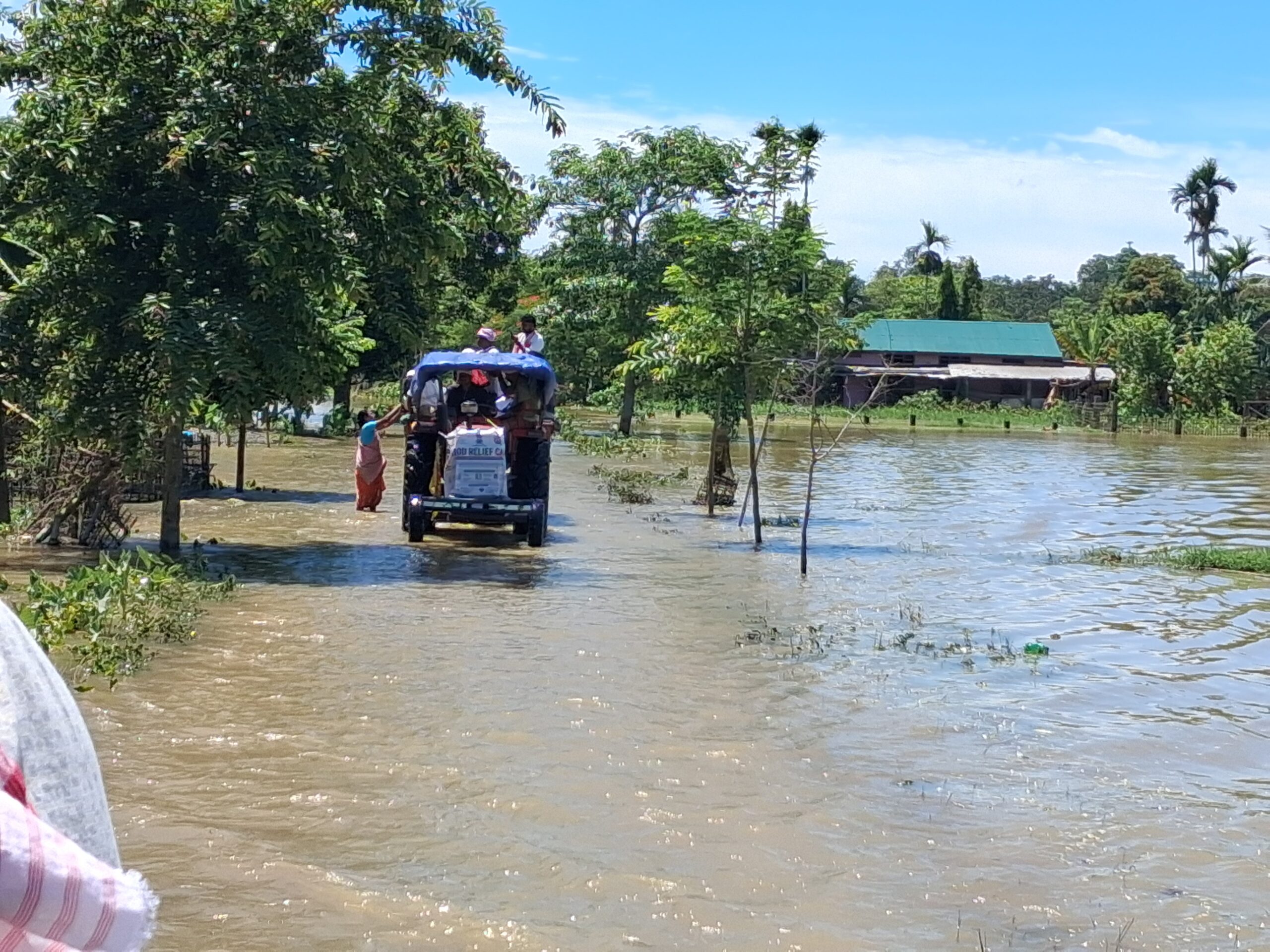
Dibrugarh: The flood situation in Assam remained critical on Friday, with the death toll rising to 97 and more than 1.68 lakh people still affected across 15 districts.
While floodwaters have begun receding in Sivasagar, several areas remain waterlogged. Many houses have been damaged, although residents have started returning home from relief camps.
According to the Assam State Disaster Management Authority’s (ASDMA) daily flood report, more than 1.68 lakh people remain affected across Golaghat, Sivasagar, Udalguri, Kamrup Metropolitan, Nagaon, Kamrup, Darrang, Sonitpur, Hojai, Lakhimpur, Biswanath, Jorhat, Charaideo, Karbi Anglong and Dhemaji districts.
Golaghat remains the worst-hit district, with nearly 54,000 people affected, followed by Sivasagar with over 49,000 and Jorhat with around 27,000.
PREMIUM STORIES FROM EASTMOJO
2000+ readers have backed us to keep journalism free. You can too.
SUPPORT US
According to officials, three water pumps are being used to drain floodwater from waterlogged areas, while a fourth pump is in the process of being deployed.
“We have never seen such devastation in our lifetime. Even after 19 days, the water has not drained out from the district. The houses are full of silt and debris accumulated inside the waterlogged homes. We are facing huge problems cleaning our houses. Our lives have suddenly come to a standstill because of the massive flood,” said Pradip Gogoi, a resident of Betbari in Sivasagar.
Sharing an update on X, Assam Chief Minister Himanta Biswa Sarma said, “Every relief measure announced is being backed by swift implementation on the ground. We are delivering immediate assistance, supporting rehabilitation and ensuring our flood-affected families receive the help they deserve.”
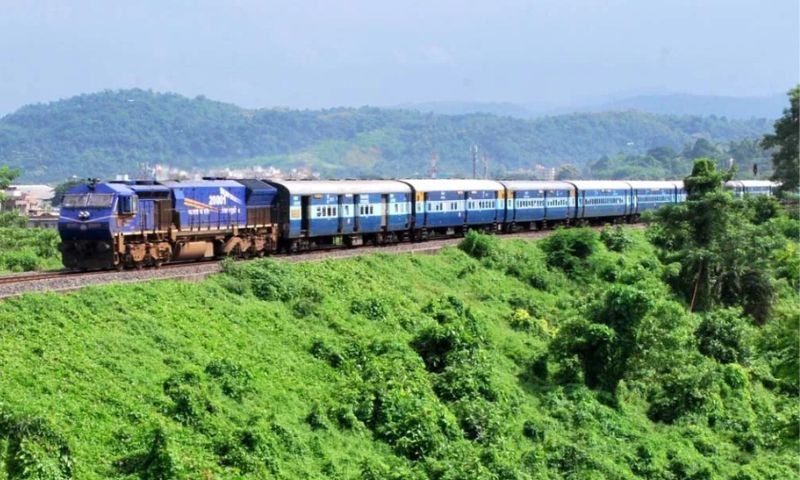
Meanwhile, the Northeast Frontier Railway (NFR) has successfully restored the railway tracks damaged by recent floods at Simaluguri and adjoining areas in Sivasagar district under the Tinsukia Division.
NFR General Manager Chetan Kumar Shrivastava visited the affected sections and carried out a detailed inspection of the tracks, bridges and other railway infrastructure.
During the inspection, it was observed that many local residents, including children, along with their belongings and livestock, are currently taking shelter on or near the railway tracks because of the flood situation.
Considering the humanitarian concerns and prioritising public safety, NFR has decided to initially operate only diesel locomotive-hauled trains on the restored section.
The precautionary measure has been taken to minimise the risk of electrocution and ensure the safety of flood-affected people until conditions return to normal.
Local train services, including Train No. 15669 (Guwahati–Dibrugarh) Nagaland Express, Train No. 15603/15604 (Guwahati–Ledo–Guwahati) Intercity Express, Train No. 15967/15968 (Rangiya–Ledo–Rangiya) Intercity Express, Train No. 75601/75602 (Lumding–Tinsukia–Lumding) DEMU and Train No. 55914 (Tinsukia–Jorhat Town) Passenger, will operate via Moranhat.
Long-distance trains will continue to run on the diverted route via North Lakhimpur–Rangapara North–Rangiya for the time being. In addition, special trains are being operated throughout the disruption period to provide alternative rail connectivity for passengers travelling to and from Upper Assam.
NFR said a decision on the full restoration of train services and the resumption of electric locomotive operations on the section will be taken once the flood situation normalises and affected residents are able to return to their homes.
In another post on X, Sarma said, “Glad to share that the flood-affected railway section between Selenghat–Amguri–Simaluguri–Sivasagar Town has been restored and made operational at 4:00 PM today.
“With this, direct train services between Guwahati and Dibrugarh via Lumding and Sivasagar can now resume. My sincere gratitude to Hon’ble Union Minister Shri @AshwiniVaishnaw Ji and the @RailNf team for their relentless efforts in restoring this vital rail link between Upper Assam and the rest of the country.”
Also Read: How a protest exposed gender prejudice beneath Mizoram’s progressive image