Your support helps us to tell the story
From reproductive rights to climate change to Big Tech, The Independent is on the ground when the story is developing. Whether it’s investigating the financials of Elon Musk’s pro-Trump PAC or producing our latest documentary, ‘The A Word’, which shines a light on the American women fighting for reproductive rights, we know how important it is to parse out the facts from the messaging.
At such a critical moment in US history, we need reporters on the ground. Your donation allows us to keep sending journalists to speak to both sides of the story.
The Independent is trusted by Americans across the entire political spectrum. And unlike many other quality news outlets, we choose not to lock Americans out of our reporting and analysis with paywalls. We believe quality journalism should be available to everyone, paid for by those who can afford it.
Your support makes all the difference.Read more
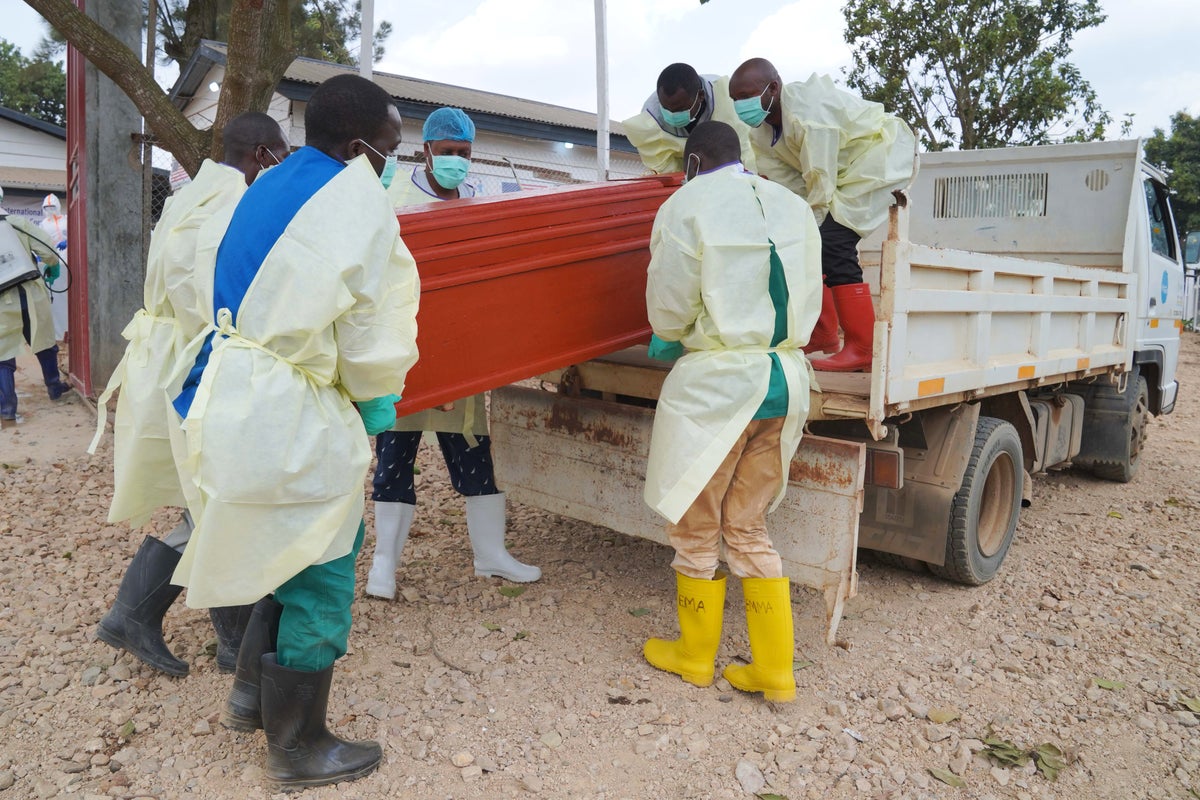
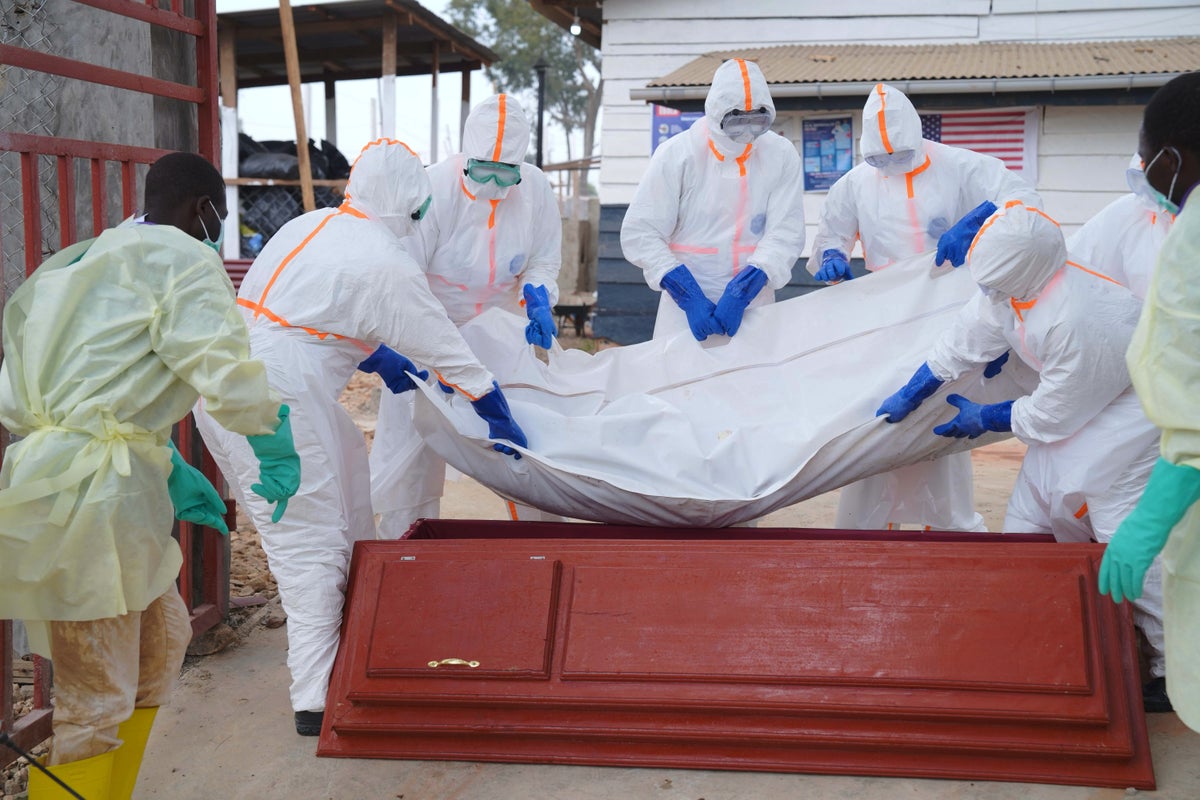
The head of the World Health Organization arrived in Congo was in Congo on Wednesday as aid workers said the world’s fastest-growing Ebola outbreak is spreading at an “alarming” rate and some health workers are striking over lack of pay.
WHO Director-General Tedros Adhanom Ghebreyesus was scheduled to meet with partners and President Félix Tshisekedi in the capital, Kinshasa, the WHO country office told The Associated Press. It was his second visit since the outbreak was declared in mid-May.
The Ebola outbreak had 3,874 confirmed cases, including 1,751 deaths, as of Monday, according to data published overnight by Congo’s Ministry of Health.
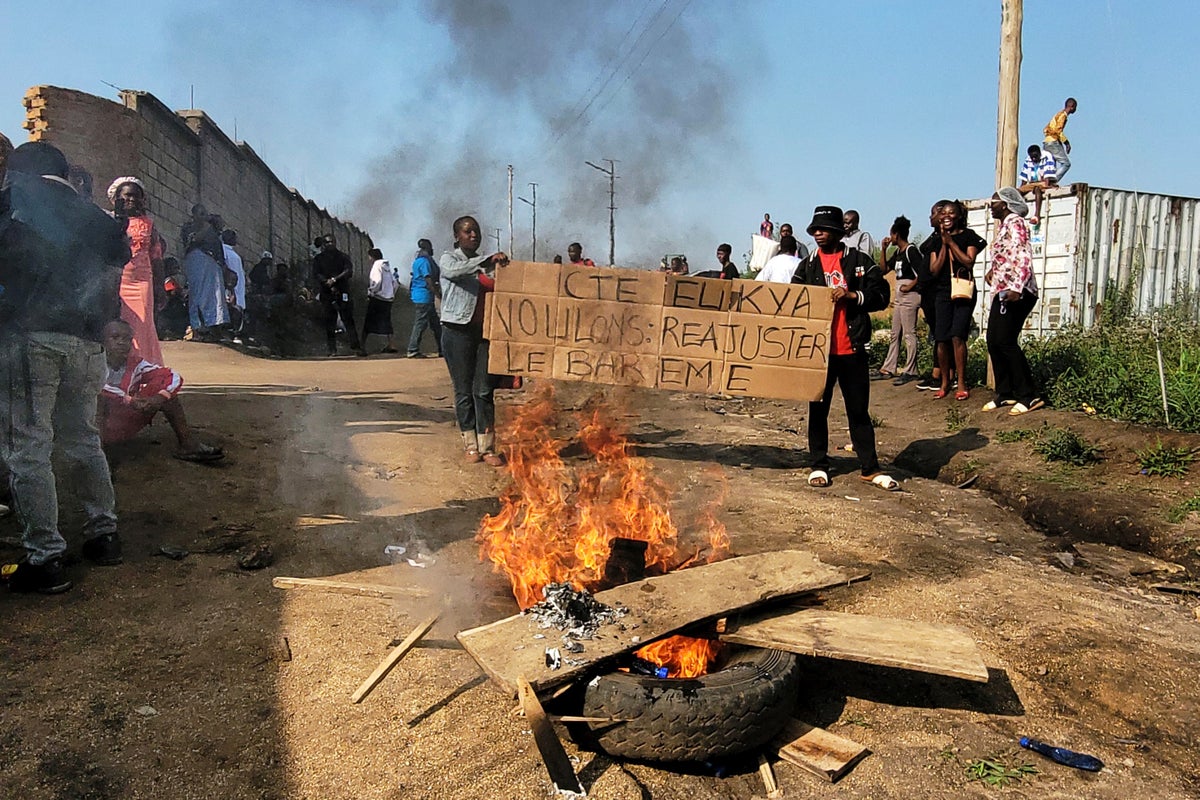
In Ituri, the outbreak’s epicenter, families said many frontline workers have gone on strike, worsening access to healthcare that was already challenged by rebel conflict in one of Congo’s most remote and vulnerable areas, its east near the borders of South Sudan, Uganda and Rwanda.
While some frontline workers say they have started receiving payment in the last week for work done since the outbreak began, they are demanding improved wages.
Anicet Baluku, a resident of Bunia, Ituri’s capital, blamed the death of his two brothers from Ebola on the strike. “We urge the authorities to quickly find a solution to prevent other families from experiencing the same tragedy,” he told the AP.
The outbreak has eclipsed all other Ebola outbreaks in history in its speed of transmission and is the second-largest outbreak on record, behind the 2014-2016 West Africa outbreak that recorded more than 28,000 cases, including over 11,000 deaths.
The Bundibugyo virus that is causing this outbreak has no approved treatment or vaccine, and local officials believe it began in a remote area long before it was declared on May 15.
Nearly three months later, the outbreak is still “spreading at an alarming and unprecedented rate,” medical charity Doctors Without Doctors said Wednesday.
“The response is expanding but is still not reaching communities quickly enough to break transmission chains,” the group said.
The head of the Africa Centers for Disease and Control, Dr. Jean Kaseya, said Tuesday while visiting Bunia that contact tracing isn’t working, with at least 60% to 70% of new cases coming outside of people being monitored after exposure to patients.
Late detection of cases has been a key contributor to the 45% fatality rate, officials say. The 77 new cases reported in the previous 24 hours included 44 deaths, according to the health ministry.
At least 717 patients are in isolation while 749 patients have recovered.