Your support helps us to tell the story
From reproductive rights to climate change to Big Tech, The Independent is on the ground when the story is developing. Whether it’s investigating the financials of Elon Musk’s pro-Trump PAC or producing our latest documentary, ‘The A Word’, which shines a light on the American women fighting for reproductive rights, we know how important it is to parse out the facts from the messaging.
At such a critical moment in US history, we need reporters on the ground. Your donation allows us to keep sending journalists to speak to both sides of the story.
The Independent is trusted by Americans across the entire political spectrum. And unlike many other quality news outlets, we choose not to lock Americans out of our reporting and analysis with paywalls. We believe quality journalism should be available to everyone, paid for by those who can afford it.
Your support makes all the difference.Read more
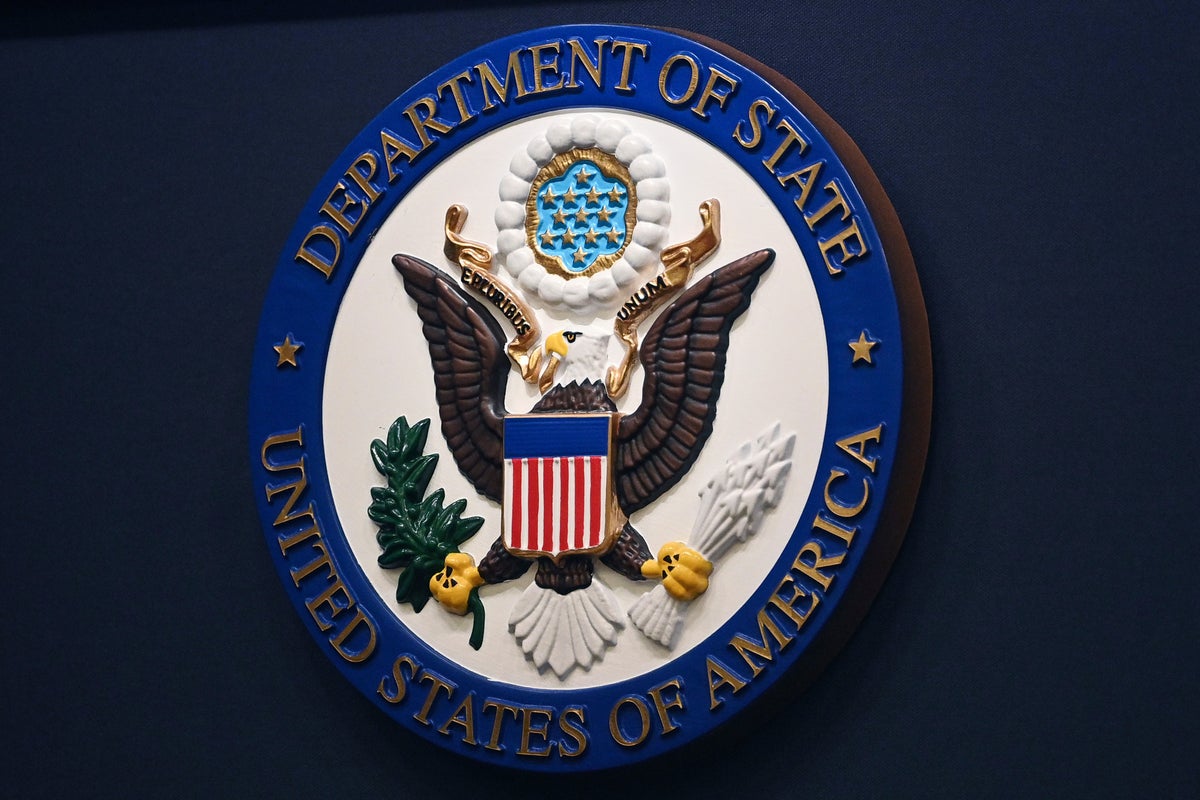
The State Department has notified Congress that it plans to close five U.S. diplomatic missions overseas, marking a rare reduction in America’s global diplomatic footprint.
According to people familiar with the notice sent to congressional committees late last week, the closures would affect U.S. posts in St. George’s, Grenada; Nagoya, Japan; Medan, Indonesia; Douala, Cameroon; and Winnipeg, Canada. The people spoke on condition of anonymity because the notification has not been made public.
The move revives an effort first pursued during the Trump administration, when officials considered closing nearly a dozen diplomatic missions as part of a broader push to reshape the federal government under an “America First” agenda.
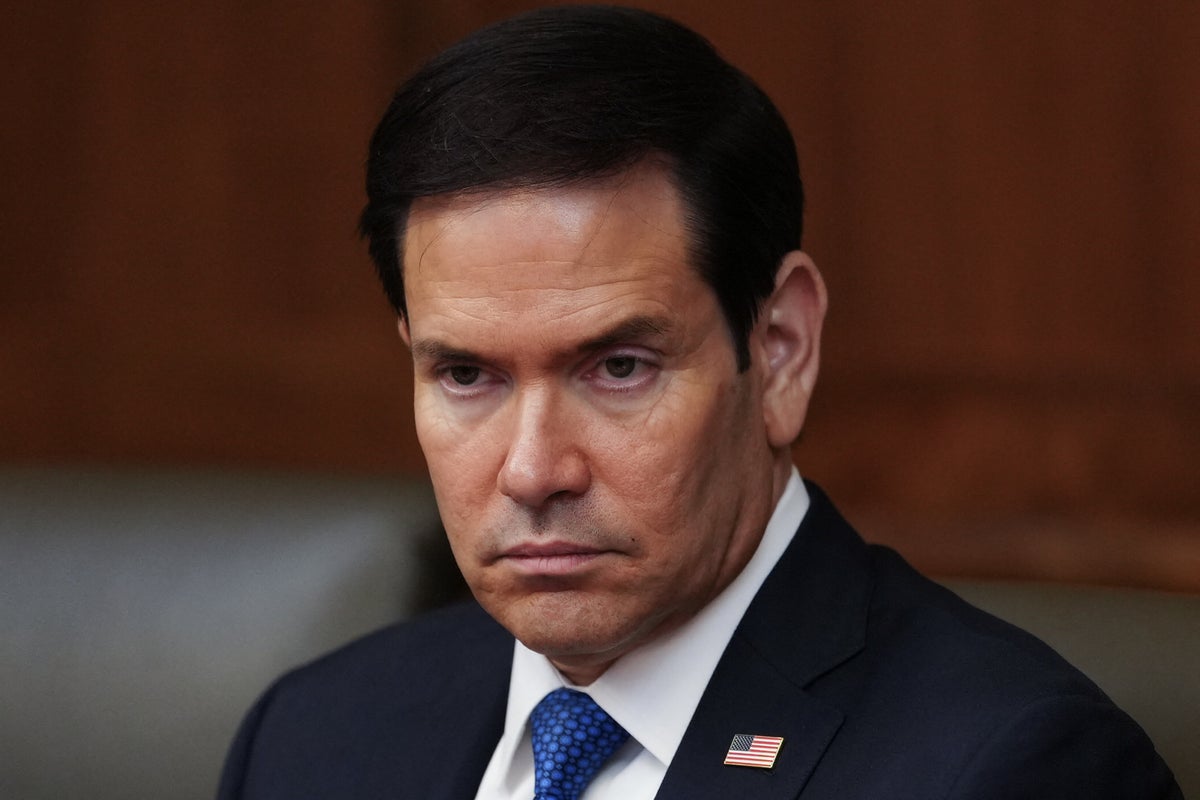
Secretary of State Marco Rubio attends a Cabinet meeting hosted by President Donald Trump at Camp David in Maryland, on July 31 (AFP/Getty)
The White House Office of Management and Budget had previously pushed for even deeper cuts, reportedly targeting as many as 30 overseas posts.
Supporters of the plan argue smaller diplomatic missions are costly and no longer essential, while critics warn the closures could weaken U.S. influence abroad.
Democrats and former foreign policy and national security officials have argued that shrinking America’s diplomatic presence, combined with the dismantling of the U.S. Agency for International Development, risks leaving openings for rivals such as China and Russia to expand their influence.
A U.S. Consulate in Toronto was struck by gunfire in July of this year (Reuters)
Although the State Department underwent a major reorganization last year that eliminated dozens of bureaus and hundreds of positions, no overseas missions were closed during that overhaul.
Asked about the reported closures, the State Department did not confirm the plans but said it is committed to ensuring the U.S. diplomatic network remains “efficient and effective” while following congressional notification requirements.
Secretary of State Marco Rubio has defended the administration’s cost-cutting efforts, saying they are needed to “right-size” an agency that many conservatives view as overly large and bureaucratic.
During the administration of former President Joe Biden, the U.S. government opened several foreign missions, all of them in the Pacific region (Getty)
The mission in St. George’s is a U.S. embassy. The facilities in Nagoya, Medan and Winnipeg are consulates, while the office in Douala is an embassy branch office. Consulates and branch offices typically represent U.S. interests outside a country’s capital, where the main embassy is located.
During President Joe Biden’s administration, the United States expanded its diplomatic presence in the Pacific by opening several new missions as Washington sought to counter China’s growing influence in the region.
China maintains diplomatic missions in St. George’s, Nagoya and Medan, but does not have a diplomatic presence in Douala or Winnipeg.