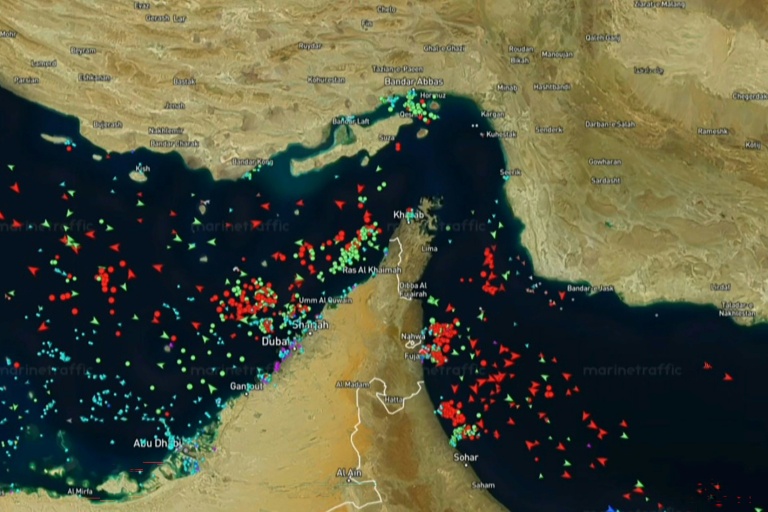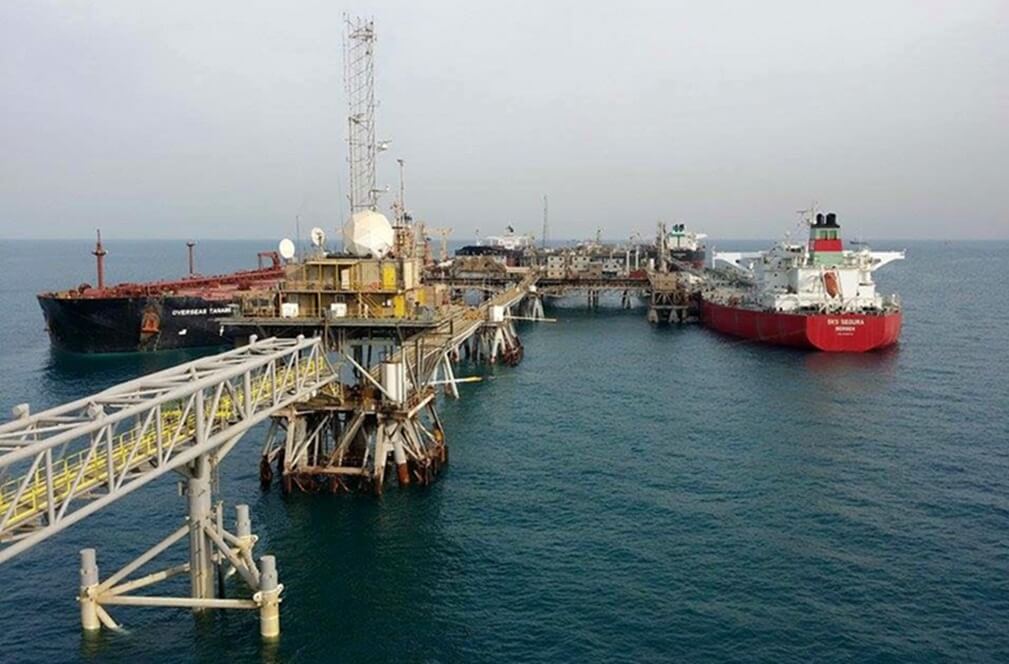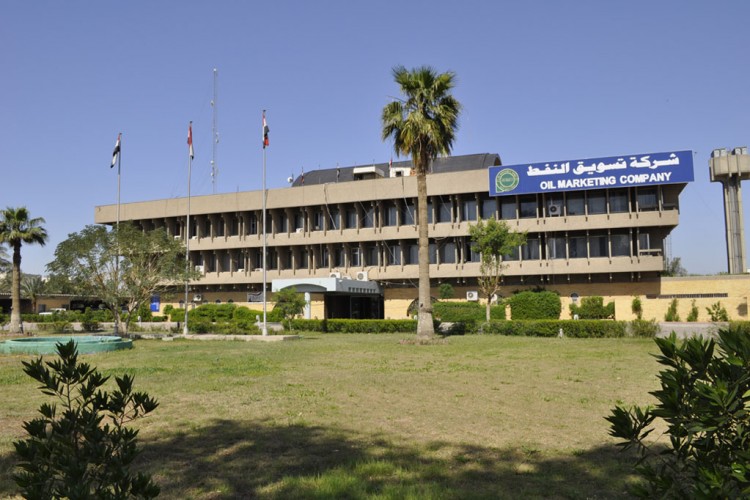
Baghdad (IraqiNews.com) — Iraq’s state oil marketer SOMO has denied offering discounts on Iraqi crude, saying prices continue to be determined through competitive bidding despite disruptions caused by the closure of the Strait of Hormuz and falling exports from the Kurdistan Region.
Speaking in an interview with journalist Mohammed Qais, SOMO Director Ali Nizar said Iraq sold 42 million barrels of crude in July, well below the approximately 105 million barrels per month exported before the current regional crisis.
Nizar dismissed reports that Iraq was selling crude at discounted prices to attract buyers. He said SOMO’s pricing policy relies on competition among companies capable of safely transporting cargoes through the Strait of Hormuz, where shipping has become more difficult due to higher insurance and transportation costs.
“Only a limited number of major international trading companies are currently able to transit the Strait safely,” Nizar said, adding that SOMO selects the highest bids submitted by qualified buyers and applies those prices to competing offers.
He argued that if Iraq were offering significant discounts, it would have been able to sell all of its available production.
According to Nizar, Iraq exported 35.5 million barrels through its southern terminals in July, while another 7 million barrels were shipped through Turkey’s Ceyhan port, bringing total monthly exports to 42 million barrels.
The figure marks an improvement from 24 million barrels exported in June but remains far below pre-crisis levels, when Iraq exported around 3.4 million barrels per day, equivalent to roughly 105 million barrels per month.
Nizar said Iraq and Turkey have reached a one-year agreement to continue using the Iraq-Turkey pipeline after the previous transit agreement expired on July 26.
Under the arrangement, Iraq will have guaranteed access to transport at least 750,000 barrels per day through the pipeline between Silopi and Ceyhan, which has a maximum capacity of 1.5 million barrels per day.
Turkey will be allowed to use any remaining capacity if Iraq does not fully utilize the pipeline, he added. Nizar also said British energy company BP, alongside a Turkish partner and future participation from U.S. companies, will help develop Kirkuk oil fields to boost production.
Nizar said attacks targeting oil fields in the Kurdistan Region have severely disrupted production, causing exports through Turkey to fall from 240,000 barrels per day to just 20,000 barrels per day.
He attributed the decline to foreign energy companies suspending operations because of security concerns.
To increase northern exports, the Oil Ministry is transporting crude from southern refineries to northern facilities by tanker trucks as part of a plan to eventually supply 1 million barrels per day to Turkey under the new bilateral agreement.