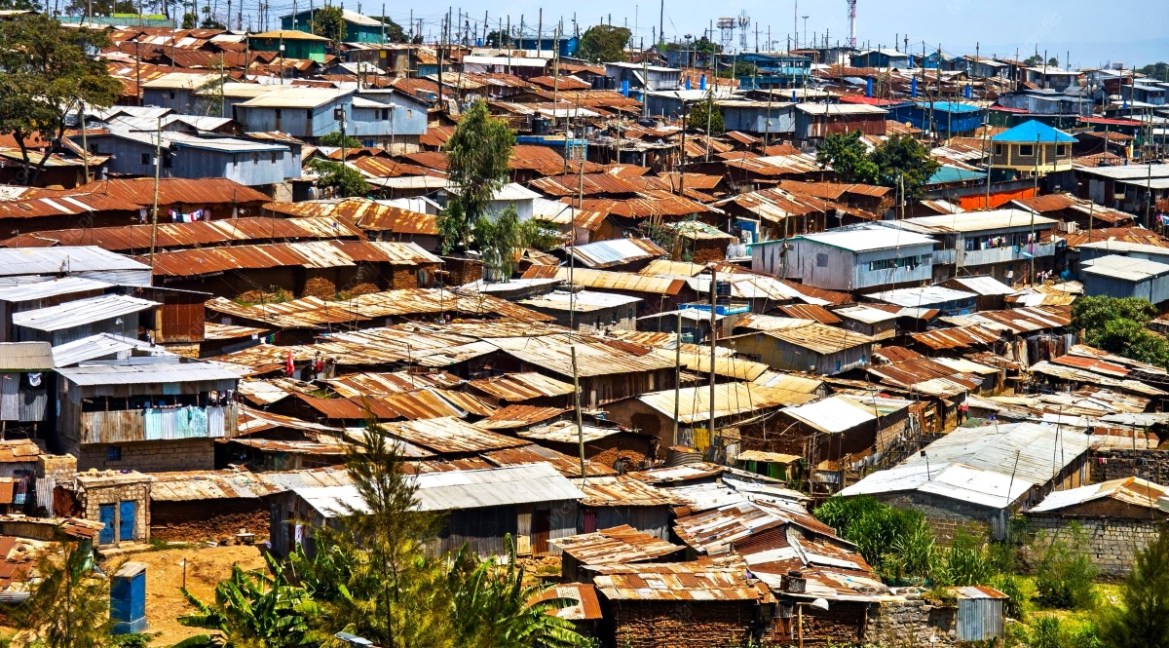
Debunking the slum myth of Nairobi …
The slums of Nairobi can be described as densely populated informal settlements where nearly 60 percent of the city’s population are forced to survive under poor and challenging conditions.
Kibera is the largest of the Nairobi slums and also the most known informal settlement.
It is the largest slum in both Nairobi and Africa, covering about 2.5 square kilometers.
Kibera reportedly houses between 300,000 and 1 million people within that area.
Other slums in Nairobi include Mathare, Korogocho and Mukuru,each with a population of between 500,000 and 800,000 residents.
The Slum dwellings there are usually small, makeshift, wobble structures, shacks made of discarded tins, packaging boxes or polythene sheets and the cubicles measure 12 feet by 12 feet and each housing up to eight people or more, with many occupants sleeping on the floor
Kibera Slums: Residents don’t own the shacks they live in
Access to electricity is limited, and sanitation is poor, with up to 50 homes sharing a single pit latrine in some areas
Water sources are often contaminated, leading to diseases like cholera and typhoid
However, the biggest percentage of the dwellings in these informal settlements are owned by well-to-do people, the tycoons and top businessmen who drive luxury SUVs.
These slumlords don’t live there.
In fact, these landlords hardly even visit the slums, only sending their agents to collect rents.
In early 2000, the United Nations (UN-Habitat) reported that 57 percent of slumlords in Kibera were government officers or politicians.
One former Cabinet Minister from Western Kenya had put up 300 dwellings there!
About 80 percent of slum residents in Nairobi are tenants rather than owners.
Indeed, the houses, or shacks there were not built or owned by the poor squatters living in them.
Putting up a dwelling in the informal settlements of Nairobi could be the only investment in Kenya via which you can scoop back the entire investment in slightly less than one year!
Strangely! The inhabitants of these poor, informal settlements pay more for services such as water and electricity than people who live in posh areas of Nairobi such as Muthaiga or Runda estates!
In other words, living poor does not necessarily mean it is cheap.
Studies actually show that households in these informal settlements pay up to 10 times the water tariff paid by households with conventional connections.
This is largely because vicious cartels access the electricity and water first and then resell them at higher prices to the residents.
Powerful slumlords always resist or complicate any plan to improve these settlements because upgrading would definitely threaten their rental income and the control they have over the land.
In a word, they have a selfish interest in maintaining the squalor there.
Observers have always been saying that if Kenya’s president, William Ruto really wanted to improve houses in these informal settlements, as he claims, the first step should be dealing with the notorious slumlords
The case of Nairobi slums, according to our writers is more of a Big-dog eat small-dog society! Story.