BY SIFISO NHLABATSI
MBABANE – Prime Minister Russell Mmiso Dlamini says government remains firmly on course to achieve its ambitious target of growing Eswatini’s economy by 12 percent through strategic investments, mega projects and the creation of new revenue streams.
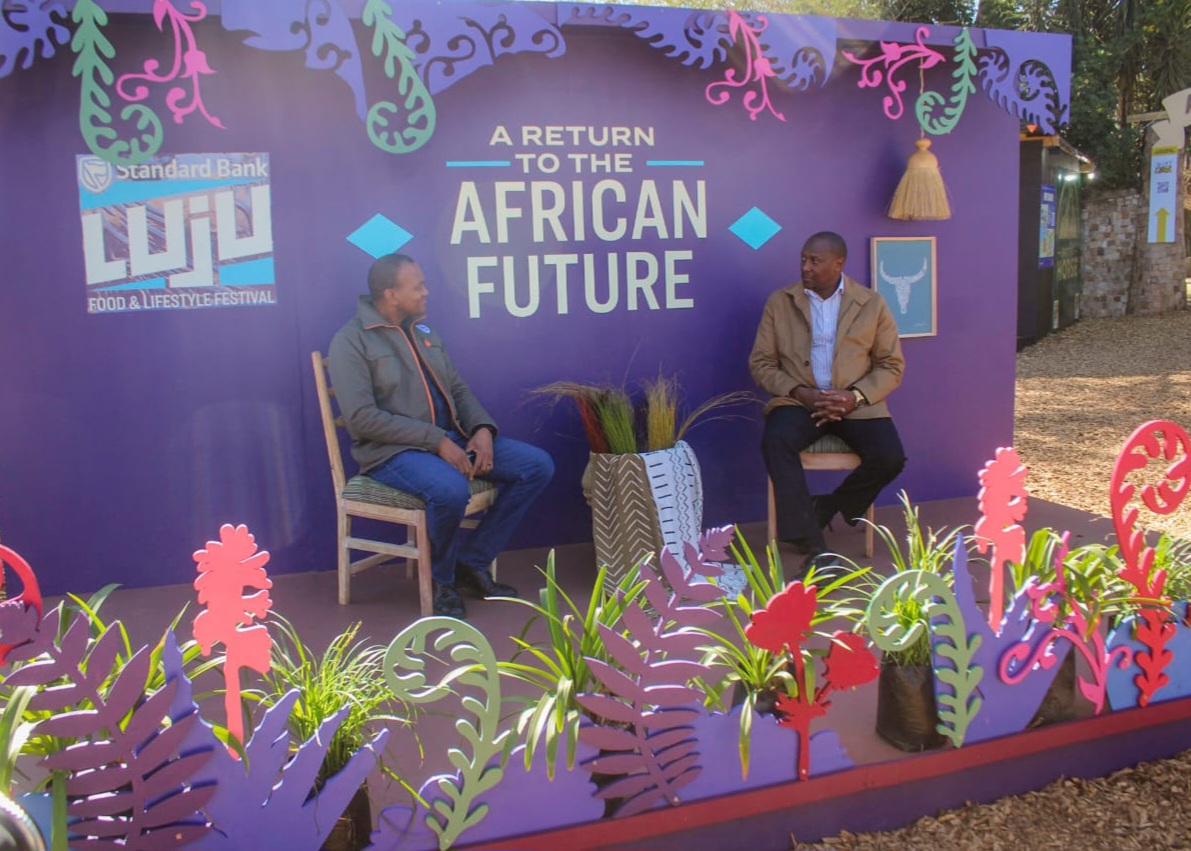
Speaking during an interview with Eswatini Positive News Managing Editor Mbongeni Ndlela, Dlamini said government had made encouraging progress since the launch of the Grand Plan for National Transformation, with economic growth now standing at about six percent.
He said while the country had not yet reached its target, government would not relent until double-digit growth became a reality.
“Our target is 12 percent economic growth. We are now around six percent and we will not rest until we reach that,” said Dlamini.
The Prime Minister said the Grand Plan, which was developed after consultations with citizens following the appointment of the current administration, identified economic growth as one of government’s top priorities alongside governance and social development.
He said achieving higher economic growth required a deliberate shift from relying heavily on traditional sources of revenue, particularly Southern African Customs Union (SACU) receipts, towards developing sustainable domestic income streams.
“Before this administration, very few people were talking about reducing our dependence on SACU revenue. Today there is a growing appreciation that we need additional revenue streams, and that change in mindset is progress for the country,” he said.
Dlamini said government had identified several strategic projects that would generate new income while stimulating investment and creating employment opportunities.
Among these is the Strategic Oil Reserve and the proposed oil refinery, which he said would not only strengthen the country’s energy security but also create an entirely new source of national revenue.
He said the country’s fuel reserves will see an increase to more than 60 days, while the refinery would help stabilise fuel prices, retain more money within the domestic economy and produce by-products such as bitumen for road construction.
According to the Prime Minister, local production of bitumen would significantly reduce the cost of road infrastructure projects as government continues implementing its programme to tar approximately 500 kilometres of roads.
He said government was also working closely with Microprojects on road and bridge construction while seeking long-term solutions that would reduce the high maintenance costs associated with gravel roads.
Dlamini said energy security remained another important pillar of government’s economic strategy.
He said Eswatini was making steady progress towards becoming energy self-sufficient by 2030 through investments in electricity generation from multiple sources, including gas, geothermal, hydro, coal and other technologies capable of providing reliable base-load power.
He noted that increased private sector participation in electricity generation would reduce the country’s dependence on imported electricity while creating opportunities to export surplus power in future.
The Prime Minister also pointed to encouraging growth in foreign direct investment, saying inflows had increased by approximately 200 percent since 2024 following renewed efforts to attract investors.
He said government believed the impact of policy reforms generally became visible after about three years, adding that Eswatini was beginning to experience the benefits of reforms introduced under the current administration.
“What is important now is that the benefits of economic growth must be felt by ordinary emaSwati in their daily lives. We must stay the course so that these gains become sustainable,” he said.
Dlamini said employment creation remained central to government’s economic agenda, particularly among young people.
He said every sector of the economy had a responsibility to contribute towards creating jobs, with mining, agriculture, information and communications technology (ICT) and large-scale investment projects expected to absorb significant numbers of workers.
Government, he added, was also encouraging entrepreneurship by making financing available through initiatives such as the Agriculture Development Fund while promoting vocational education to equip young people with practical skills.
He said the number of government scholarships had also increased to more than 1,000 as part of efforts to develop the skilled workforce needed to support future economic expansion.
On food security, Dlamini said Cabinet had approved the establishment of a national grain reserve that would enable the country to store grain, legumes and other strategic food commodities to ensure adequate supplies during emergencies.
Construction of the facility is expected to begin soon as government implements broader measures aimed at increasing agricultural production.
The Prime Minister said the country had already achieved self-sufficiency in broiler production and pork, describing this as evidence that Eswatini could also attain broader food security if farmers continued increasing production.
He urged emaSwati to support locally produced goods, saying stronger domestic industries would create jobs, stimulate economic activity and strengthen national resilience.
Dlamini said government remained confident that sustained implementation of the Grand Plan, coupled with strategic investments and policy reforms, would place Eswatini on a path towards inclusive economic growth, reduced unemployment and greater self-sufficiency.
“We are laying the foundation for an economy that creates opportunities for emaSwati, generates sustainable revenue and improves livelihoods. Our responsibility is to ensure that the benefits of this growth reach every community,” he said.
#EconomicGrowth #Eswatini #GrandPlan #Vision2030 #Investment #JobCreation #EconomicTransformation #InfrastructureDevelopment #EnergySecurity #FoodSecurity #MadeInEswatini #InclusiveGrowth #NationalDevelopment #PrimeMinister #EswatiniPositiveNews
Post Views: 179