FIFA’s attempt to overhaul the financial structure of global football, worth billions of dollars, has run into strong resistance. Regional confederations are questioning the goals of the world governing body, their own stake in the leadership of international football, and how the recent changes were decided.
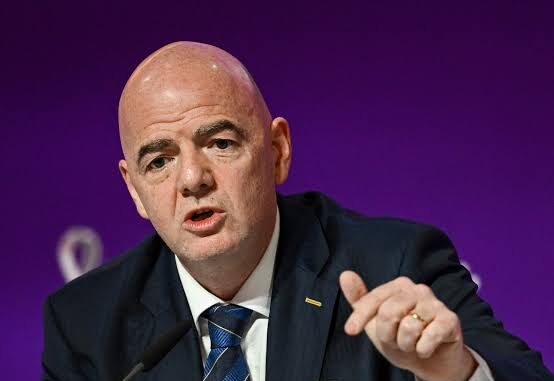
On July 28, 2026, FIFA president Gianni Infantino unveiled its intention to create a new commercial subsidiary named the FIFA Forward Enterprise, meant to consolidate FIFA’s broadcast, sponsorship, ticketing and licensing portfolios into a focused business entity. He also set a September 19 deadline for associations to respond.
Various news agencies reported Infantino’s plan to sell minority, non-controlling stakes to a select group of private equity investors led by permanent capital holding company Thrive Eternal, initially valued at US$20 billion.
FIFA promised its 211 member associations that their regular development funding would more than double in the next cycle, reaching $20 million per country. They also offered an optional, immediate $20 million payment through a new Fast Forward Programme.
Infantino framed this as the true democratisation of football worldwide. However, European and North American football leaders were quick to react, calling the offer a reckless bypass of the sport’s established checks and balances.
The pushback from UEFA and Concacaf revealed that Infantino’s “consultation process” happened only after decisions were made.
Concacaf also publicly rebelled against the unilateral rollout, quickly releasing a statement supported by the Caribbean Football Union, of which Saint Lucia’s Lyndon Cooper is president.
“Concacaf was only made aware of this matter through media reports and, subsequently, via a media release. We are deeply concerned by the lack of due process,” read the statement.
“We share the disappointment of many within our region and the game that this level of detail has been designed and shared publicly before any discussion with the relevant governance bodies and stakeholders has taken place.
“As leaders within football, we are the custodians of the game. Collectively, FIFA, the Confederations and every Member Association have a responsibility to always act in the best interests of the sport. Every decision we make must be guided by good governance, robust processes and long-term stewardship. This is the framework within which Concacaf operates. We trust that all within the FIFA family will act in the same manner.”
Cooper, president of the Saint Lucia Football Association, is also a Concacaf vice president. The CFU released a statement of its own to stand behind Concacaf.
By attempting to leverage unprecedented cash payouts directly to member associations to force through a corporate restructuring, Infantino has instead provoked an escalating executive civil war that could disrupt the governance of world football.