Brazil · Business
Key Facts
—Partnership date July 28, 2026
—Initial markets Brazil and Mexico
—Brazil methods Pix, PicPay, Mercado Pago, NuPay
—Mexico methods Mercado Pago, OXXO/OXXO Pay, SPEI
—Planned expansion Argentina, Chile, Colombia, Peru
dLocal ACI Worldwide have formed a strategic partnership to give global merchants access to Latin America’s leading local payment methods through a single integration, the companies announced on July 28, 2026. The alliance starts in Brazil and Mexico, with four more markets planned next.
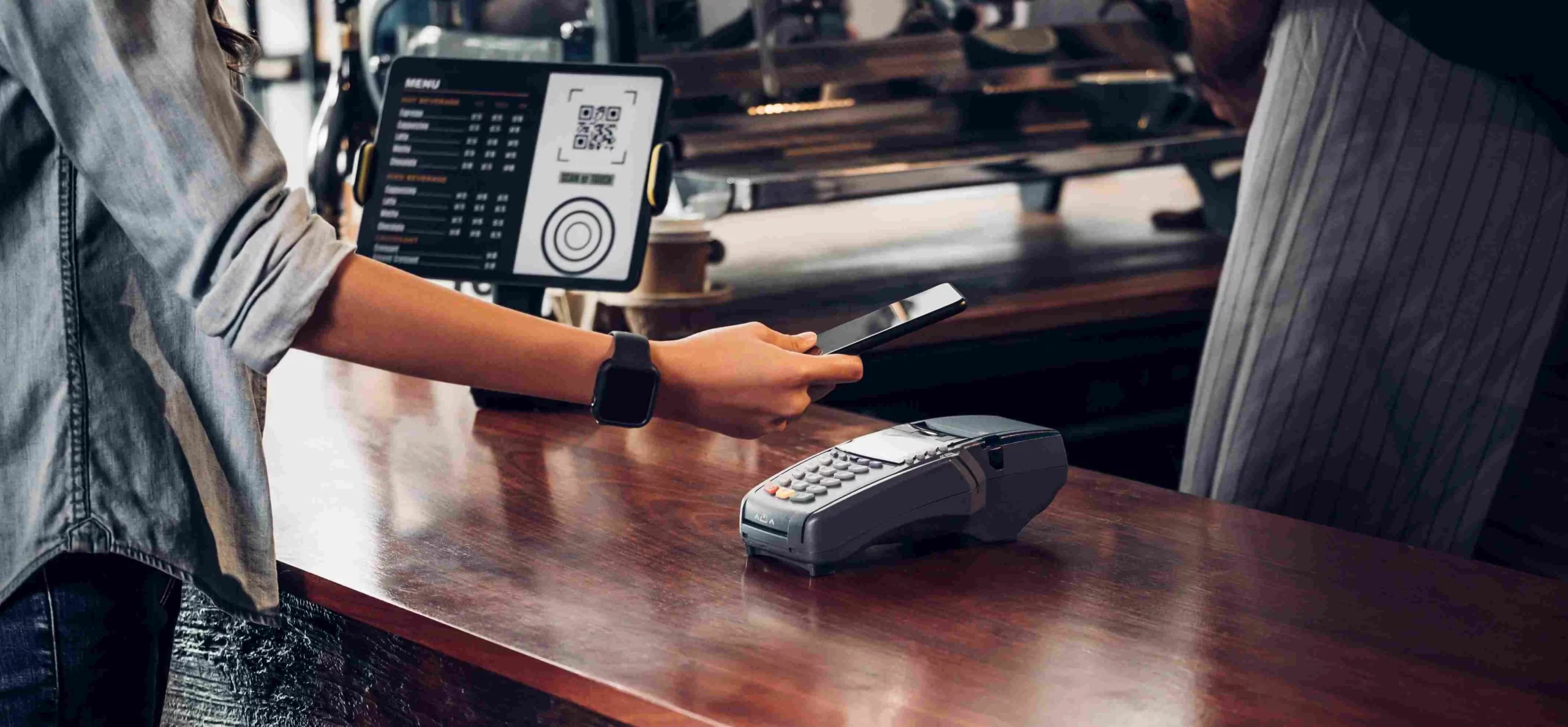
dLocal ACI Worldwide Pact Opens Pix to Global Merchants. (Photo internet reproduction)RTAsk Rio TimesCost of living, safety, visas across Latin America›
What the Partnership Delivers
The deal integrates dLocal’s local payment network and regional expertise into the ACI Payments Orchestration Platform. This means merchants can onboard and begin processing transactions immediately through one connection, without building separate integrations for each country or payment method.
The partnership also combines ACI’s payment-orchestration and fraud-management capabilities with dLocal’s local rails. A syndicated report on the announcement states the alliance merges dLocal’s network with ACI’s orchestration and fraud prevention technology, giving merchants centralized control over routing and security.
For a foreign reader, a payment orchestration platform is essentially a central control panel that lets a business connect to many different payment providers at once. Instead of negotiating separate technical and commercial agreements with each local bank or fintech, the merchant plugs in once and can then route transactions intelligently based on cost, currency, or success rate.
This is especially valuable in Latin America, where no single payment method works across all countries.
Payment Methods Available Now
In Brazil, merchants gain access to Pix, the instant payment system operated by the Brazilian Central Bank that has become the country’s dominant digital payment method. They can also offer PicPay, the Brazilian digital wallet; Mercado Pago, the fintech arm of Argentine e-commerce giant Mercado Libre; and NuPay, the payment solution from Brazilian digital bank Nubank.
In Mexico, the partnership covers Mercado Pago, the cash-based voucher system OXXO Pay (named after the ubiquitous Mexican convenience store chain OXXO), and SPEI, the real-time interbank transfer system run by the Bank of Mexico. These methods are critical for reaching consumers who prefer cash, bank transfers, or digital wallets over international credit cards.
Understanding how OXXO Pay works helps explain why local methods matter so much. A customer selects OXXO at checkout and receives a barcode, then visits any OXXO store to pay in cash.
The merchant gets confirmation and ships the order. This bridges the gap for Mexico’s large unbanked population, which still relies heavily on physical currency for daily commerce.
Live Company IntelligencePicpay Holdings Netherlands N.V. Class A Common Shares — the full investor dossier
P
◆ Live Company Intelligence
Picpay Holdings Netherlands N.V. Class A Common Shares
NASDAQ: PICSPICSTechnologySoftware – Infrastructure
Valuation & profitability
Market cap$1.49B
Revenue (TTM)$11.73B
P / E ratio6.7
Profit margin10.0%
Return on equity30.7%
Price & risk
52-wk low
$8.3252-wk high
$19.95
200-day average$12.57
Revenue trend · 5y
20212025
Latest $6.28B
Ownership
Institutions39.7%
Shares outstanding43M
Top holderThe Goldman Sachs Group Inc
Institutional holders5+ funds
Dividend
No regular dividend — earnings reinvested for growth.
What Picpay Holdings Netherlands N.V. Class A Common Shares does. PicS N.V. operates as a digital financial services company that provides digital wallet and application for individuals and businesses in Brazil. The company offers a range of transactional products for its consumers, including Pix, an instant payment system, peer-to-peer between PicPay accounts, bill payments, payroll portability, global account, and a payment assistant…
Why Local Payments Matter for Foreign Business
For foreign businesses and investors unfamiliar with Latin American commerce, local payment methods are not optional extras. In Brazil, Pix has overtaken credit cards in transaction volume, while in Mexico, cash-based vouchers like OXXO remain essential for reaching unbanked consumers.
Without these options, merchants face cart abandonment and lost sales.
The partnership targets ACI’s existing enterprise merchants and fintech partners, as well as any global company selling into Latin America. The strategic value lies in offering locally relevant payment experiences while maintaining centralized control over routing, strategy, and fraud management from a single platform.
The broader significance here is that Latin America has long been a patchwork of incompatible payment systeMs A merchant that succeeds in Brazil with Pix cannot simply replicate that setup in Mexico, where SPEI and cash vouchers dominate. This fragmentation has historically forced international companies to either invest heavily in local teams or abandon the market altogether.
Partnerships like this one lower that barrier considerably.
Strategic Rationale for Both Companies
For ACI Worldwide, a US-based payments-software firm listed on Nasdaq under the ticker ACIW, the partnership expands its orchestration platform’s relevance in Latin America. Adding dLocal’s local methods improves conversion and acceptance rates for merchants operating in Brazil and Mexico, two of the region’s largest economies.
For dLocal, a Uruguay-founded fintech that specializes in emerging-market payments, the deal extends its local rails and regional network into ACI’s enterprise distribution channel. Horacio Raviolo, dLocal’s head of commercial partnerships, said the combination gives merchants “the best of both worlds – the reach to succeed locally and the control to scale globally.”
This type of collaboration reflects a maturing fintech ecosystem where pure-play local specialists and global infrastructure providers increasingly need each other. ACI gains on-the-ground capabilities that would take years to build independently, while dLocal gains exposure to large multinational clients already using ACI’s platform for other regions.
Expansion Plans and Market Context
The companies confirmed that Argentina, Chile, Colombia, and Peru are planned as the next markets. Each presents distinct payment landscapes: Argentina’s digital wallet adoption has surged amid currency volatility, while Chile and Colombia have growing fintech ecosystems. Peru’s cash-heavy economy makes methods like PagoEfectivo essential.
The partnership arrives as global merchants increasingly seek direct access to Latin American consumers. The region’s e-commerce market has grown steadily, but payment fragmentation remains a barrier.
By offering Pix, digital wallets, and local bank transfers through one integration, the dLocal ACI Worldwide alliance aims to reduce that friction.
What to watch next is whether the planned expansion to Argentina, Chile, Colombia, and Peru proceeds on the same technical model, or whether each country requires bespoke adjustments. Another open question is how quickly ACI’s existing merchant base will activate these new local methods, and whether the partnership eventually extends beyond Latin America into other emerging regions where dLocal already operates.
What This Means for Investors
For investors tracking Latin American fintech, the partnership signals continued infrastructure maturation. ACI Worldwide brings enterprise-grade orchestration and fraud tools, while dLocal contributes its licenses, local banking relationships, and regulatory expertise across multiple jurisdictions.
The deal also reflects a broader trend of global payment platforms partnering with regional specialists rather than building local connections from scratch. For dLocal, which went public on Nasdaq in 2021, the partnership with an established player like ACI reinforces its role as a gateway to emerging-market payments.
Investors may also want to monitor how this partnership affects dLocal’s merchant acquisition costs and transaction volumes over the coming quarters. Because the integration funnels ACI’s existing clients toward dLocal’s rails, it could shift the growth trajectory without requiring dLocal to spend heavily on its own sales and marketing in the near term.
Whether that efficiency materializes remains an open question tied to merchant adoption rates.
Frequently Asked Questions
What is the dLocal ACI Worldwide partnership?
It is a strategic integration announced on July 28, 2026, that connects dLocal’s Latin American payment network to the ACI Payments Orchestration Platform, letting global merchants accept Pix, digital wallets, and local methods through a single integration.
Which payment methods are included in Brazil and Mexico?
In Brazil: Pix, PicPay, Mercado Pago, and NuPay. In Mexico: Mercado Pago, OXXO/OXXO Pay, and SPEI.
Additional methods may follow as the partnership expands.
Which countries will the partnership expand to next?
The companies have named Argentina, Chile, Colombia, and Peru as the next four markets planned for expansion, though no specific timeline has been announced.
Sources: dLocal; ACI Worldwide.